 EN
EN

why-is-data-storage-important-for-modern-digital-infrastructure-development, why-is-data-storage-important-for-modern-digital-infrastructure-development, /news
EN
2026/09/23
Data storage forms the backbone of modern digital infrastructure, serving as the foundational layer upon which all organizational operations depend. Every application, database, analytics platform, and business-critical system requires robust data storage to function effectively. Without reliable data storage, enterprises cannot maintain their competitive edge, ensure business continuity, or meet regulatory compliance obligations. The importance of data storage extends far beyond simple file retention; it encompasses performance optimization, security protocols, disaster recovery, and strategic scalability planning. Understanding why data storage is essential helps organizations make informed decisions about their infrastructure investments and operational resilience.
The exponential growth of digital data generation has fundamentally shifted how organizations view data storage infrastructure. Today's enterprises manage petabytes and exabytes of information across multiple environments, including on-premises data centers, cloud platforms, and hybrid architectures. This unprecedented data volume requires sophisticated data storage systems capable of handling concurrent workloads while maintaining acceptable performance levels. The pressure to optimize data storage efficiency has become a strategic priority for chief information officers and infrastructure teams worldwide. Modern digital infrastructure development now hinges on selecting appropriate data storage technologies that align with organizational growth trajectories and emerging business requirements.
Data storage performance directly impacts user experience and operational efficiency across the entire organization. When data storage systems respond slowly to queries and access requests, downstream applications suffer performance degradation, causing user frustration and reduced productivity. High-speed data storage enables real-time analytics, instantaneous database queries, and responsive application behavior that modern users expect. Enterprise-grade data storage infrastructure must deliver consistent input-output operations per second (IOPS) to support demanding workloads such as machine learning training, transactional processing, and large-scale data analytics. The strategic importance of data storage speed cannot be overstated, as performance bottlenecks at the storage layer cascade throughout the entire technology ecosystem.
Accessibility represents another fundamental reason why organizations prioritize data storage quality and redundancy. Data storage systems must guarantee that authorized users can access needed information whenever required, without unexpected downtime or access delays. Modern data storage architectures incorporate redundancy, failover mechanisms, and multi-site replication to maintain continuous data availability during component failures or maintenance windows. Enterprise applications depend on consistently available data storage to deliver uninterrupted service to customers and internal stakeholders. The relationship between data storage reliability and business continuity has become increasingly critical as digital transformation accelerates across all industry sectors.
Data storage security encompasses encryption, access controls, audit logging, and threat detection mechanisms that safeguard organizational data from unauthorized access and malicious actors. Encryption of data storage systems both in transit and at rest protects sensitive information from interception and theft. Role-based access controls within data storage infrastructure ensure that only authorized personnel can view or modify specific data sets. Advanced data storage systems incorporate audit trails documenting all access attempts, modifications, and administrative actions, creating accountability and forensic capabilities. The investment in secure data storage infrastructure directly reduces cybersecurity risk and protects organizational reputation and customer trust.
Regulatory frameworks such as GDPR, HIPAA, PCI-DSS, and SOX mandate specific data storage requirements for organizations operating in regulated industries. Compliant data storage systems must demonstrate data residency controls, retention policies, and destruction procedures that align with regulatory expectations. Non-compliance with data storage regulations results in significant fines, legal liability, and reputational damage to organizations. Modern data storage solutions incorporate compliance-ready features including immutable backups, data classification, and automated retention management. The strategic importance of data storage extends to regulatory risk mitigation, making compliance-capable storage infrastructure an essential business investment rather than merely an IT expense.
As organizations grow, their data storage requirements expand at accelerating rates, driven by increased transaction volumes, customer bases, and business intelligence initiatives. Scalable data storage architectures enable seamless capacity expansion without requiring complete infrastructure overhauls or service interruptions. The ability to add storage capacity incrementally allows organizations to match infrastructure growth with actual business expansion rather than over-provisioning resources upfront. Data storage systems designed for scalability reduce total cost of ownership by enabling phased investments aligned with business growth trajectories. Strategic data storage planning ensures that infrastructure remains capable of supporting organizational objectives throughout multiyear planning horizons.
Digital infrastructure evolution includes emerging technologies such as artificial intelligence, machine learning, edge computing, and Internet of Things that introduce novel data storage demands. Future-ready data storage systems must accommodate new data types, access patterns, and performance requirements without complete replacement. Organizations that invest in flexible data storage architectures gain competitive advantages by rapidly adopting emerging technologies and data-driven business innovations. The importance of data storage extends to technology flexibility and adaptability, allowing organizations to evolve their infrastructure alongside market opportunities. Data storage decisions made today significantly influence an organization's ability to capitalize on future technological advances and competitive advantages.
Data storage capacity planning translates business forecasts into infrastructure requirements, ensuring that organizations maintain sufficient storage resources to support operations without service interruptions. Accurate capacity planning for data storage prevents expensive emergency upgrades and enables organizations to negotiate favorable pricing through planned procurement. Poor data storage capacity planning leads to unexpected constraints, degraded performance, and emergency expenditures that exceed budgeted allocations. Strategic data storage capacity planning aligns infrastructure investments with business objectives, ensuring financial efficiency and operational reliability.
Data storage redundancy and geographic distribution form the foundation of effective disaster recovery strategies, enabling organizations to restore operations rapidly after infrastructure failures. Backup data storage systems maintained at geographically separated locations ensure that organizations retain critical data despite localized disasters. Data storage recovery time objectives and recovery point objectives directly determine organizational resilience and business continuity capabilities. Investing in robust data storage backup and disaster recovery infrastructure protects organizations from business interruption scenarios and associated revenue losses.
Cloud-based data storage offers flexible capacity, reduced capital expenditures, and managed services that complement or replace traditional on-premises data storage infrastructure. Organizations increasingly adopt hybrid data storage approaches combining on-premises, cloud, and edge storage to optimize cost-performance tradeoffs. Data storage decisions now encompass cloud provider selection, data residency requirements, and integration with existing infrastructure. The availability of cloud data storage options requires organizations to evaluate storage deployment models based on specific workload characteristics, regulatory requirements, and financial constraints.
The electronic components market is constantly evolving. From global supply chain updates to the latest semiconductor technology trends, our blog provides the professional perspective you need to stay informed and competitive.
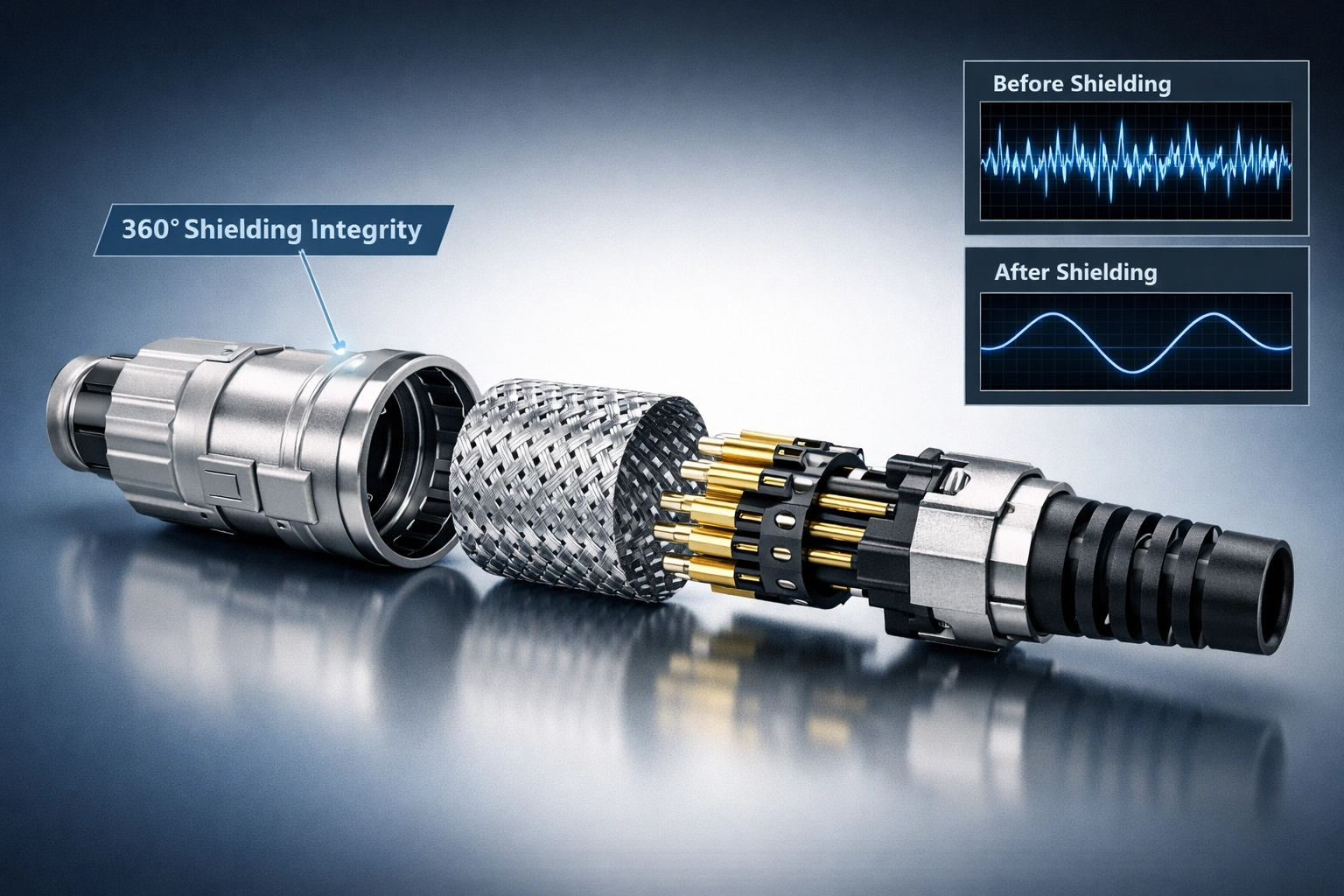
Overcoming EMI in High-Speed Automation

A Comprehensive Layout and Component Selection Guide
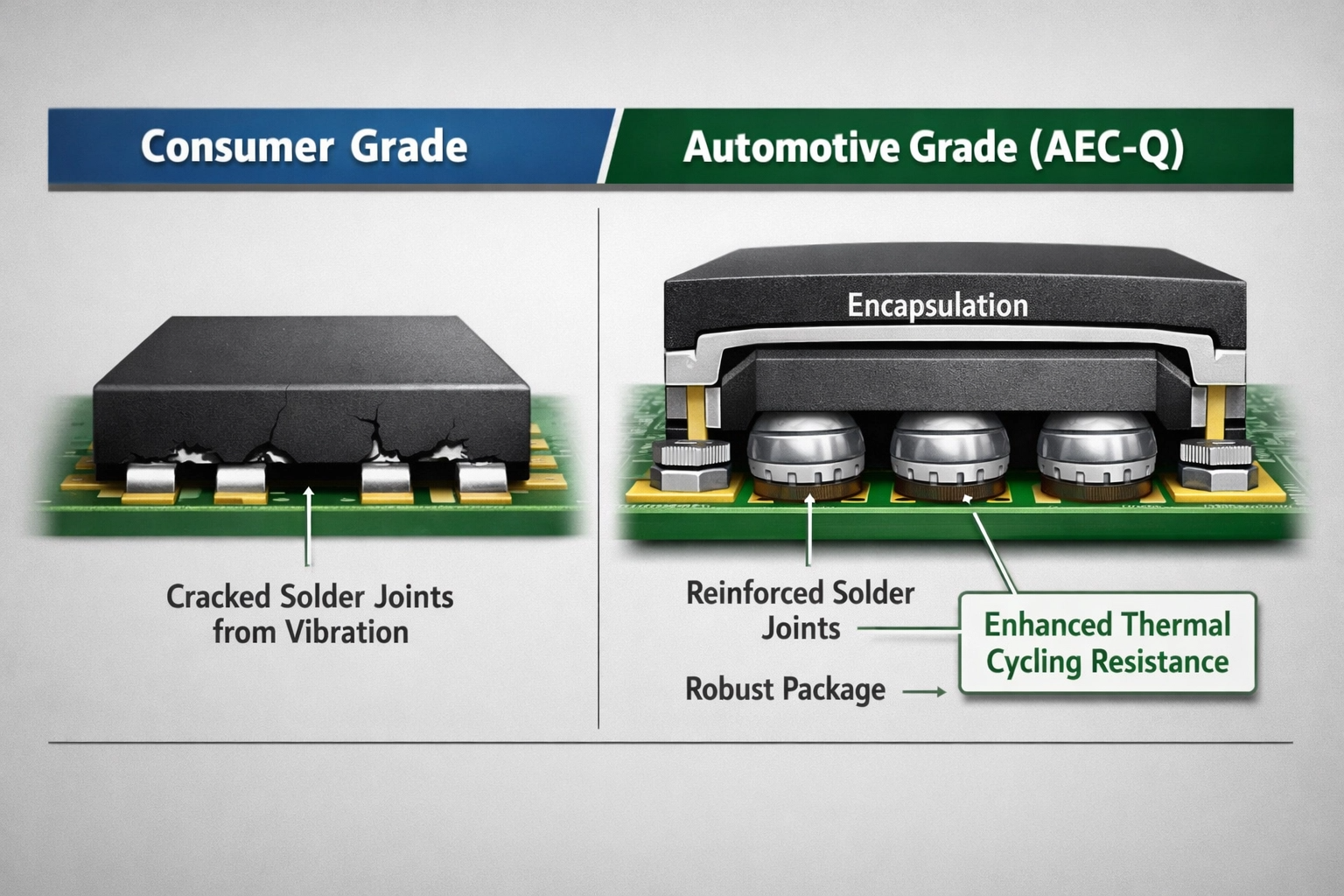
A Deep Dive into AEC-Q Standards and IATF 16949 Compliance







"Finding reliable high-voltage contactors for our EV platform was a major bottleneck until we partnered with this team. Their stock of 800V components is impressive and, more importantly, fully traceable. The packaging was professional, ensuring no static damage during transit. Truly a lifesaver for our production line."
"We were desperately searching for specific power management chips that were on a long backorder elsewhere. They managed to ship original factory parts within 48 hours, which kept our automation project on schedule. Communication was transparent and the technical data sheets provided were accurate. Highly recommend for urgent sourcing needs."
"The quality of the magnetic hydraulic circuit breakers we received exceeded our expectations for the price point. It’s clear they have a rigorous quality inspection process in place before shipping. We've integrated their parts into our latest battery storage units with zero failure rates so far. A very dependable partner for long-term supply."
"In this industry, trust is everything, especially when dealing with high-voltage fuses and relays. This company consistently provides genuine products that meet our strict safety certifications for the EU market. Their team is knowledgeable and helped us navigate the technical nuances of the components. Their export logistics to Spain are seamless."
"Managing End-of-Life (EOL) components is a constant struggle, but their database for legacy ICs is a goldmine. I was able to secure a batch of LCD driver ICs that our previous suppliers claimed were impossible to find. Every chip was tested and worked perfectly in our HMI repair prototypes. They are now my go-to for hard-to-find semiconductors."
"I appreciate how they handle smaller, specialized orders with the same urgency as bulk shipments. We needed specific pressure sensors for a fleet of diesel engines, and they arrived in the UK perfectly labeled and documented. Their attention to detail on the commercial invoice made customs clearance a breeze. Great service and even better product quality."
