 EN
EN

why-is-nand-flash-widely-used-in-modern-data-storage-technologies, why-is-nand-flash-widely-used-in-modern-data-storage-technologies, /news
EN
2026/07/01
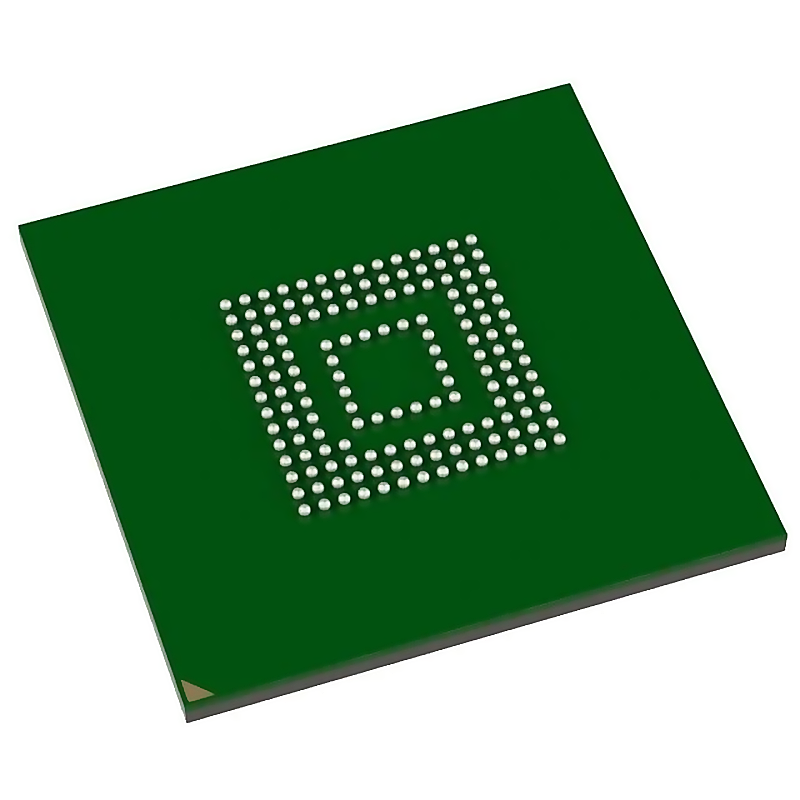
NAND flash has become the backbone of modern data storage, powering everything from consumer devices to enterprise-level systems. Understanding why NAND flash is so widely adopted reveals fundamental insights into contemporary technology infrastructure and the demands of digital systems. The prevalence of NAND flash in storage solutions reflects not just technological capability but also economic efficiency, performance reliability, and compatibility with evolving computing needs.
The dominance of NAND flash in the storage market stems from multiple converging factors that make it the preferred choice across industries. NAND flash technology combines performance advantages with cost-effectiveness, enabling manufacturers and consumers to achieve superior data retention, faster access times, and greater storage capacity than traditional alternatives. As digital data generation accelerates and device portfolios expand, NAND flash continues to define the standards for reliable, scalable storage infrastructure.
NAND flash delivers significantly faster read and write speeds compared to older magnetic storage methods like hard disk drives. Traditional mechanical drives rely on moving physical components, which introduces inherent latency and mechanical wear. NAND flash, operating through electrical switching and cell programming, eliminates these delays entirely. Modern NAND flash solutions achieve access times measured in microseconds, compared to milliseconds for mechanical drives, representing performance improvements that transform user experience and system responsiveness.
The speed advantage of NAND flash extends beyond simple read performance to encompass random access capabilities that prove critical in modern computing environments. Whether supporting multitasking operations on smartphones, enabling rapid database queries in data centers, or facilitating real-time analytics in IoT deployments, NAND flash provides consistent performance under demanding workloads. This reliability in high-frequency access scenarios makes NAND flash indispensable for applications requiring predictable performance characteristics rather than best-case sequential speeds.
System responsiveness directly correlates with storage speed, and NAND flash enables the smooth, instantaneous interface experiences that modern users expect. Application launch times, file transfer operations, and boot sequences all depend on storage subsystem performance. NAND flash reduces these latencies dramatically, creating systems that feel fluid and responsive even under heavy computational loads. This performance characteristic has become so fundamental that consumers now view NAND flash storage as a baseline requirement rather than a premium feature.
The consistent performance of NAND flash across temperature ranges and operational conditions ensures that device behavior remains predictable throughout the storage device lifecycle. Unlike mechanical components that degrade gradually or exhibit temperature-dependent performance variations, NAND flash maintains relatively stable characteristics, contributing to the user experience predictability that defines modern device ecosystems.
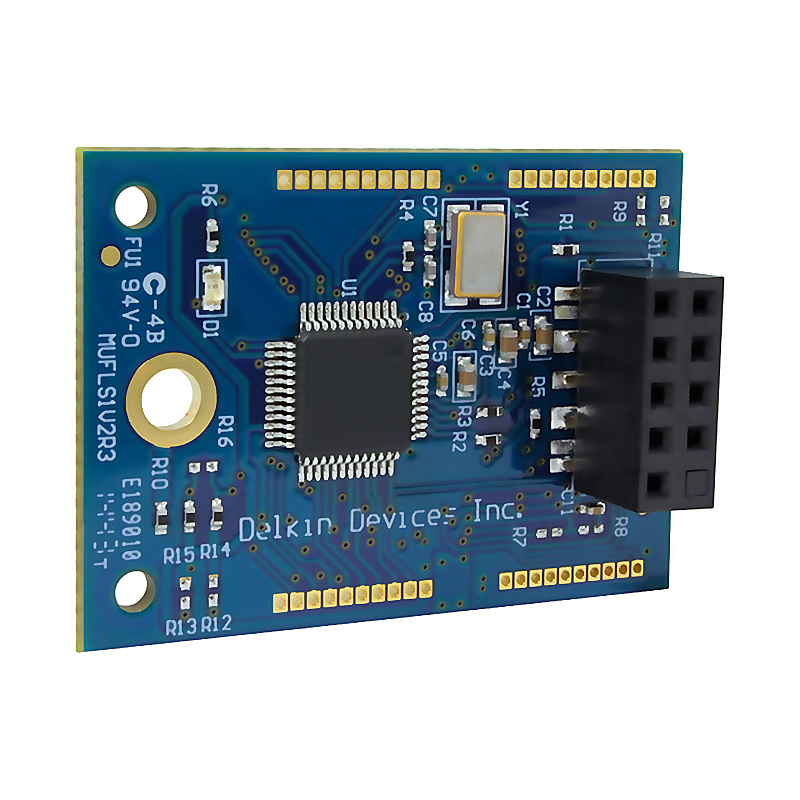
NAND flash technology removes mechanical vulnerability from the storage equation entirely. Devices using NAND flash contain no moving parts, eliminating mechanical wear, bearing failures, and the shock sensitivity that compromises hard disk reliability. This fundamental architectural difference means NAND flash systems can operate in extreme environments—high vibration, temperature fluctuations, or physical shock—without degradation of data integrity. Industrial, military, and outdoor applications rely on NAND flash precisely because mechanical failure represents zero risk factor.
The absence of mechanical components in NAND flash extends device longevity and reduces warranty claims in real-world deployments. Organizations managing large storage portfolios benefit significantly from the predictable failure rates and extended serviceable lifespans that NAND flash technology provides. This reliability translates to lower total cost of ownership, reduced maintenance overhead, and improved system availability across enterprise infrastructure.
Modern NAND flash incorporates sophisticated error correction and data preservation mechanisms that maintain data integrity across extended operational periods. While individual NAND flash cells can exhibit read errors or charge leakage over time, redundancy and correction algorithms ensure data remains accurate and accessible. Technologies like error-correcting code (ECC) monitoring, wear-leveling algorithms, and multi-level cell management have matured to deliver data integrity characteristics that exceed many users' actual requirements.
The data protection capabilities embedded in contemporary NAND flash solutions address enterprise-class requirements, enabling organizations to deploy solid-state storage in mission-critical systems where data loss represents unacceptable risk. This confidence in data preservation has driven adoption of NAND flash across financial systems, healthcare infrastructure, and government repositories where data integrity forms the operational foundation.
NAND flash production has benefited from extraordinary manufacturing scale, enabling continuous cost reduction that outpaces improvements in competing technologies. Semiconductor manufacturers worldwide operate dedicated facilities producing NAND flash at volumes measured in exabytes annually, creating economies of scale that push manufacturing costs toward theoretical minimums. This cost trajectory has extended NAND flash adoption from premium applications into consumer and budget-conscious market segments, democratizing high-performance storage access.
Technological advances in NAND flash cell architecture—from single-level cells to multi-level and triple-level configurations—have multiplied storage density while reducing per-gigabyte costs. These manufacturing innovations sustain the performance-to-cost ratio improvements that fuel continued market expansion. Organizations can now provision storage capacity that would have seemed prohibitively expensive five years ago at price points that enable new applications and use cases previously constrained by storage budget limitations.
The extraordinary storage density achievable with NAND flash technology enables compact form factors that define contemporary device categories. Smartphones carrying multiple terabytes of storage, portable solid-state drives fitting in shirt pockets, and miniaturized medical devices incorporating gigabytes of embedded storage represent direct applications of NAND flash density advantages. This compactness extends to data center applications, where NAND flash storage arrays consolidate petabyte-scale capacity into minimal physical footprints and power consumption profiles.
Density improvements directly impact device portability, thermal management, and power consumption characteristics that determine device feasibility and market viability. NAND flash enables product categories that alternative storage technologies cannot support within acceptable weight, size, and power constraints, fundamentally reshaping what portable computing and embedded systems can accomplish.
NAND flash offers dramatically faster access times (microseconds versus milliseconds), eliminates mechanical wear and failure points, operates silently without vibration, and delivers superior performance under random access patterns. Hard drives excel at sequential operations but cannot match the consistent, responsive performance that NAND flash provides across diverse workload patterns. Modern applications and user expectations have converged around NAND flash performance characteristics, making older technologies increasingly unsuitable for contemporary computing requirements.
NAND flash incorporates error-correcting code (ECC) algorithms that detect and correct bit errors, wear-leveling processes that distribute write operations across all cells to prevent premature degradation, and redundancy mechanisms that protect against cell failures. These technologies ensure data remains accurate and accessible throughout the storage device lifespan. Enterprise-grade NAND flash solutions include additional monitoring and preservation protocols that exceed consumer-grade reliability, enabling deployment in mission-critical applications where data loss represents unacceptable risk.
NAND flash manufacturing has achieved extraordinary scale globally, with facilities producing exabytes annually and driving continuous cost reduction through process innovations. Advances in multi-level cell technology have multiplied storage density while reducing per-gigabyte manufacturing costs. This favorable cost trajectory, combined with the elimination of moving parts that require maintenance and replacement, makes NAND flash economically superior to mechanical alternatives across most storage applications, from consumer devices to enterprise infrastructure.
The electronic components market is constantly evolving. From global supply chain updates to the latest semiconductor technology trends, our blog provides the professional perspective you need to stay informed and competitive.
Overcoming EMI in High-Speed Automation
A Comprehensive Layout and Component Selection Guide
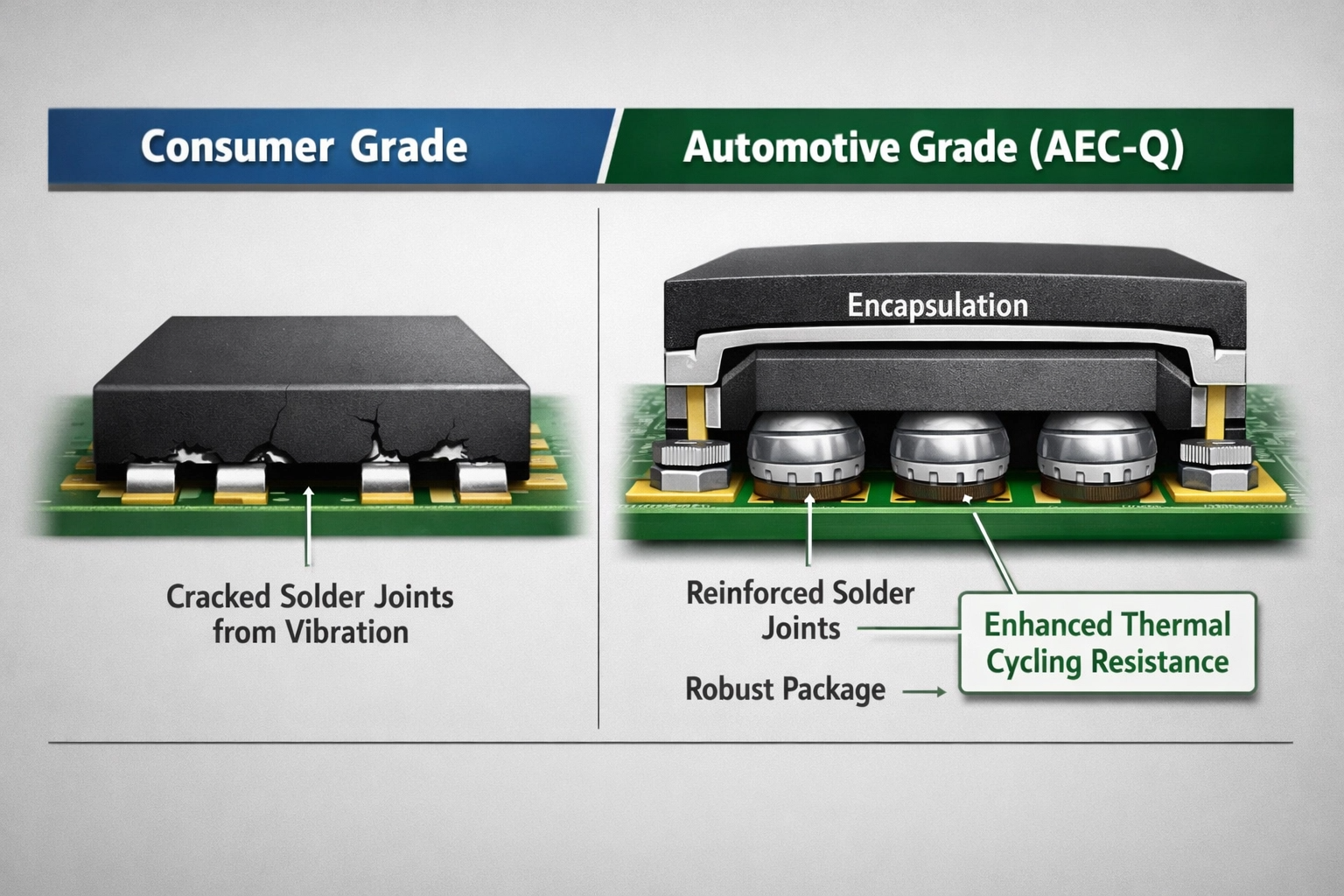
A Deep Dive into AEC-Q Standards and IATF 16949 Compliance






"Finding reliable high-voltage contactors for our EV platform was a major bottleneck until we partnered with this team. Their stock of 800V components is impressive and, more importantly, fully traceable. The packaging was professional, ensuring no static damage during transit. Truly a lifesaver for our production line."
"We were desperately searching for specific power management chips that were on a long backorder elsewhere. They managed to ship original factory parts within 48 hours, which kept our automation project on schedule. Communication was transparent and the technical data sheets provided were accurate. Highly recommend for urgent sourcing needs."
"The quality of the magnetic hydraulic circuit breakers we received exceeded our expectations for the price point. It’s clear they have a rigorous quality inspection process in place before shipping. We've integrated their parts into our latest battery storage units with zero failure rates so far. A very dependable partner for long-term supply."
"In this industry, trust is everything, especially when dealing with high-voltage fuses and relays. This company consistently provides genuine products that meet our strict safety certifications for the EU market. Their team is knowledgeable and helped us navigate the technical nuances of the components. Their export logistics to Spain are seamless."
"Managing End-of-Life (EOL) components is a constant struggle, but their database for legacy ICs is a goldmine. I was able to secure a batch of LCD driver ICs that our previous suppliers claimed were impossible to find. Every chip was tested and worked perfectly in our HMI repair prototypes. They are now my go-to for hard-to-find semiconductors."
"I appreciate how they handle smaller, specialized orders with the same urgency as bulk shipments. We needed specific pressure sensors for a fleet of diesel engines, and they arrived in the UK perfectly labeled and documented. Their attention to detail on the commercial invoice made customs clearance a breeze. Great service and even better product quality."
