Automotive Microcontrollers: Advanced Solutions

Your Trusted Partner in Electronics Supply Chain. Inquire Now!

Explore Our Latest Smart Electronics Collection.

, , 
Inquiry
Inquiry

automotive microcontrollers

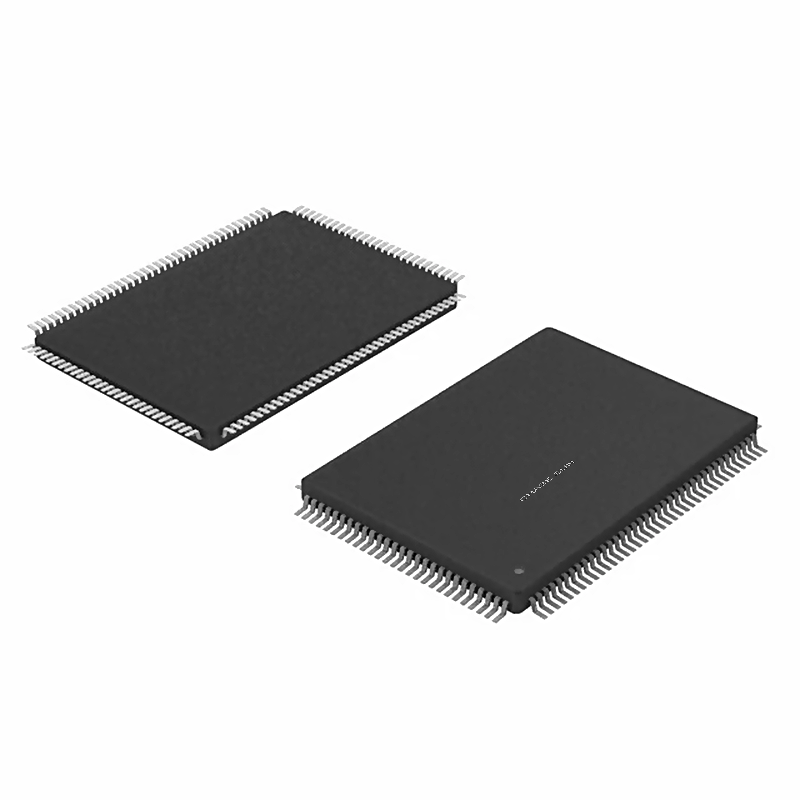
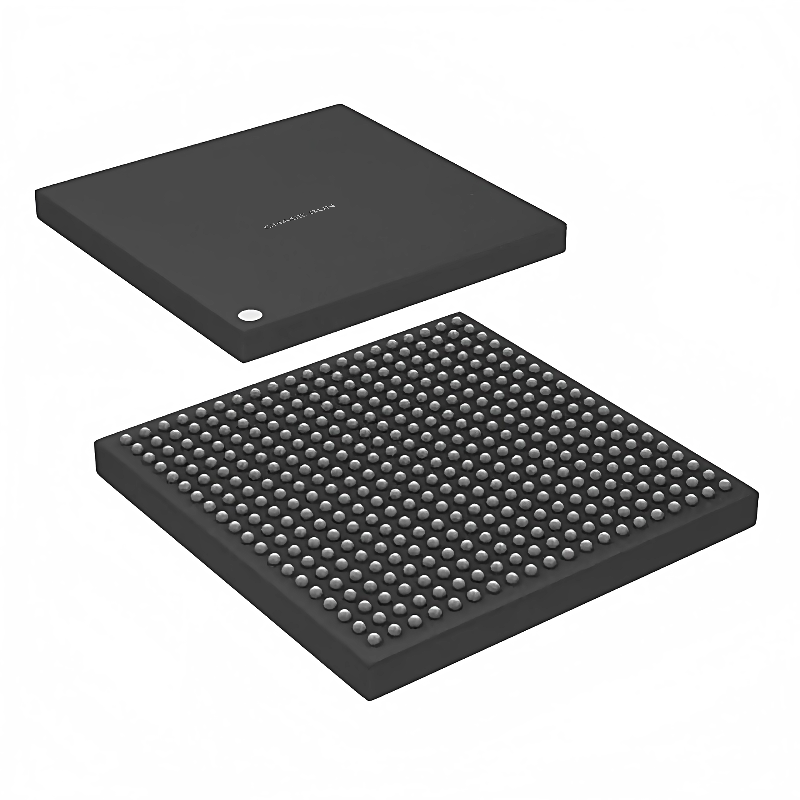
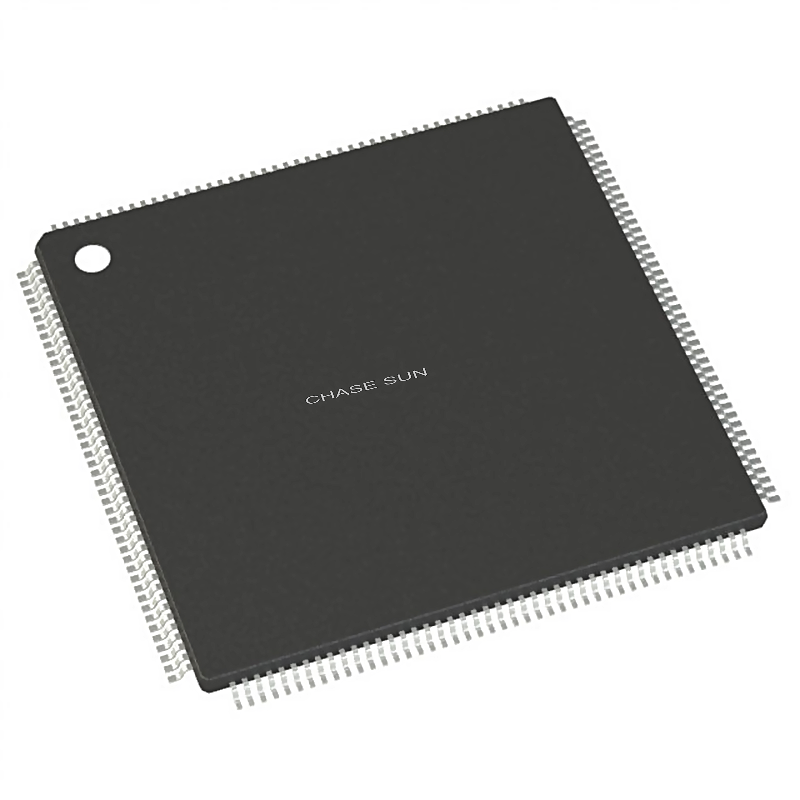
Automotive microcontrollers serve as the intelligent brain behind modern vehicle systems, delivering critical computing power that enables cars to operate safely, efficiently, and intelligently. These specialized integrated circuits are designed specifically to withstand the harsh conditions of automotive environments, including extreme temperatures, vibrations, and electromagnetic interference. The main functions of automotive microcontrollers include engine management, safety system control, infotainment processing, and advanced driver assistance features. They process sensor data in real-time, execute complex algorithms, and communicate with multiple vehicle networks simultaneously. Technological features distinguishing automotive microcontrollers include enhanced reliability ratings, extended temperature ranges from negative forty to one hundred fifty degrees Celsius, and compliance with stringent automotive safety standards such as ISO 26262. These controllers incorporate multiple processor cores, dedicated hardware accelerators, and extensive peripheral interfaces to handle diverse automotive tasks. Applications span across powertrain control units managing fuel injection and emissions, body control modules operating lighting and climate systems, and safety-critical components like airbag deployment systems and anti-lock braking controllers. Modern automotive microcontrollers also power emerging technologies including electric vehicle battery management, autonomous driving computations, and vehicle-to-everything communication systems. With automotive electronics becoming increasingly sophisticated, these microcontrollers must deliver higher processing performance while maintaining lower power consumption and meeting rigorous quality standards that ensure decades of reliable operation under demanding conditions.
Choosing automotive microcontrollers provides vehicle manufacturers and system designers with dependable solutions that directly impact product quality and customer satisfaction. The primary advantage lies in enhanced safety performance, as these controllers undergo rigorous testing and certification processes to prevent system failures that could endanger passengers. This reliability translates into fewer warranty claims and stronger brand reputation for manufacturers. From an operational perspective, automotive microcontrollers deliver superior energy efficiency, helping electric vehicles extend their driving range and conventional vehicles improve fuel economy through optimized engine management. Their robust design withstands years of exposure to temperature fluctuations, moisture, and road vibrations without degradation, reducing maintenance costs and extending vehicle lifespan. Application suitability represents another significant benefit, as these specialized chips integrate features specifically tailored for automotive needs, including built-in safety mechanisms, automotive-grade communication protocols, and hardware redundancy for critical functions. This purpose-built design eliminates the need for extensive external components, simplifying system architecture and reducing overall production costs. Decision-makers value the long-term availability guarantees that automotive microcontroller suppliers provide, typically ensuring component supply for fifteen years or more, which supports aftermarket service requirements and protects product investments. The scalability of automotive microcontroller families allows manufacturers to use common software architectures across different vehicle models, accelerating development cycles and reducing engineering expenses. Furthermore, these controllers enable advanced features that consumers demand, such as smartphone connectivity, voice recognition, and automated parking, helping vehicles remain competitive in rapidly evolving markets while maintaining the exceptional quality standards that automotive applications require for safe and reliable transportation.

Tips And Tricks

Can ic solutions support customized applications for smart device manufacturing?

12

Jun

Can ic solutions support customized applications for smart device manufacturing?

View More
Why are ic solutions essential for modern power and control systems?

12

Jun

Why are ic solutions essential for modern power and control systems?

View More
Is a power management ic essential for efficient energy regulation in devices?

12

Jun

Is a power management ic essential for efficient energy regulation in devices?

View More
Is a dc contactor suitable for high-current switching in industrial systems?

12

Jun

Is a dc contactor suitable for high-current switching in industrial systems?

View More
Extreme Environment Durability

Extreme Environment Durability

Automotive microcontrollers excel in withstanding the punishing conditions found within vehicle operating environments, a capability that standard electronic components simply cannot match. These specialized processors endure temperature extremes ranging from Arctic cold starts at negative forty degrees to engine compartment heat exceeding one hundred twenty-five degrees Celsius, maintaining full functionality throughout these variations. The robust construction includes enhanced electromagnetic compatibility shielding that prevents interference from ignition systems, radio transmitters, and high-voltage electric powertrains. Automotive microcontrollers undergo accelerated stress testing that simulates decades of thermal cycling, mechanical shock, and humidity exposure to verify their longevity before reaching production vehicles. This exceptional durability directly benefits vehicle owners through reduced breakdown risks and lower lifetime ownership costs, while manufacturers gain competitive advantages through improved warranty performance and customer loyalty. The rigorous qualification process ensures that every automotive microcontroller meets stringent automotive quality standards, providing the foundation for dependable transportation systems that families trust daily for their safety and mobility needs in all weather conditions and driving scenarios.
Integrated Safety Architecture

Integrated Safety Architecture

Modern automotive microcontrollers incorporate sophisticated safety features designed specifically to prevent and detect potential failures in critical vehicle systems, representing a fundamental advantage over general-purpose processors. These integrated safety mechanisms include redundant processing cores that continuously cross-check calculations, built-in self-test routines that verify system integrity during operation, and hardware-level error detection circuits that identify memory corruption or communication failures within microseconds. Automotive microcontrollers comply with ISO 26262 functional safety standards, achieving the highest ASIL-D safety integrity levels required for life-critical applications like steering control and braking systems. This comprehensive safety architecture enables fail-operational designs where vehicles can maintain essential functions even when component failures occur, protecting occupants during emergency situations. The safety features embedded within automotive microcontrollers reduce the complexity and cost of external safety components while improving overall system reliability through deterministic behavior and predictable fault responses. Vehicle manufacturers benefit from streamlined certification processes and reduced liability exposure, while drivers gain peace of mind knowing that multiple protective layers continuously monitor and safeguard the electronic systems controlling their vehicles, from routine commutes to challenging driving conditions that demand flawless performance.
Scalable Processing Performance

Scalable Processing Performance

Automotive microcontrollers offer flexible performance scaling that accommodates everything from basic body control functions to computationally intensive autonomous driving applications, providing manufacturers with efficient solutions across their entire vehicle portfolio. Entry-level controllers handle straightforward tasks like window control and lighting management using single-core architectures with moderate clock speeds, while high-performance variants integrate multiple processor cores, dedicated accelerators for neural network processing, and advanced graphics capabilities for digital instrument clusters. This scalability allows automotive engineers to select the optimal price-performance balance for each application, avoiding over-specification costs in simple systems while ensuring sufficient computational headroom in complex safety and automation features. The common software development environments and compatible peripheral sets across automotive microcontroller families enable code reuse and knowledge transfer between projects, dramatically reducing engineering time and validation efforts. As vehicle capabilities evolve toward higher automation levels and enhanced connectivity, automotive microcontrollers provide clear upgrade paths that protect software investments while delivering the additional processing power required for next-generation features, ensuring that today's platform decisions remain viable for tomorrow's innovation demands without forcing complete system redesigns.