Basic Microcontroller Guide & Applications

Your Trusted Partner in Electronics Supply Chain. Inquire Now!

Explore Our Latest Smart Electronics Collection.

, , 
Inquiry
Inquiry

basic microcontroller

A basic microcontroller is a compact integrated circuit designed to govern specific operations in embedded systems and electronic devices. This single-chip computer contains a processor core, memory, and programmable input/output peripherals, all housed within one package. The basic microcontroller serves as the brain of countless everyday devices, executing programmed instructions to control functions ranging from simple to moderately complex tasks. Its main functions include reading sensor inputs, processing data according to programmed logic, controlling output devices, and managing timing operations. Technologically, a basic microcontroller features flash memory for program storage, RAM for temporary data handling, and various communication interfaces such as UART, SPI, and I2C. Operating at clock speeds typically ranging from a few MHz to tens of MHz, these controllers balance performance with power efficiency. The basic microcontroller architecture emphasizes simplicity and cost-effectiveness, making it ideal for applications where dedicated computing power is needed without excessive complexity. Common applications span home automation systems, automotive electronics, consumer appliances, industrial control systems, and educational projects. From controlling washing machine cycles to managing temperature in smart thermostats, the basic microcontroller enables intelligent functionality in devices we interact with daily. Its versatility extends to robotics, security systems, medical devices, and agricultural equipment. The widespread adoption of basic microcontroller technology stems from its reliability, programmability, and ability to reduce system costs while enhancing product functionality and user experience.
Choosing a basic microcontroller offers compelling practical benefits that directly impact your project success and operational efficiency. First, affordability stands out as a major advantage, with unit costs often ranging from less than a dollar to just a few dollars, making large-scale production economically viable while keeping prototype budgets manageable. The basic microcontroller simplifies your design process by integrating multiple functions into one chip, reducing component count, board space, and assembly complexity. This integration translates to faster time-to-market and lower manufacturing costs. Energy efficiency represents another significant benefit, as these controllers consume minimal power, often operating in microamp ranges during sleep modes, which proves essential for battery-powered applications and environmentally conscious designs. The learning curve for basic microcontroller programming remains gentle, with abundant documentation, community support, and development tools readily available, enabling even beginners to achieve functional results quickly. Reliability improves your product reputation, as these solid-state devices have no moving parts and demonstrate proven durability across temperature ranges and operational conditions. Flexibility allows you to adapt the same basic microcontroller platform across multiple products with software changes rather than hardware redesigns, reducing inventory complexity and development costs. The basic microcontroller ecosystem includes affordable development boards, free programming software, and extensive online tutorials, lowering barriers to entry for startups and hobbyists. Scalability ensures that as your needs grow, you can migrate to more powerful microcontrollers within the same family without completely relearning programming environments. Real-time control capabilities enable precise timing and immediate response to input changes, critical for automation and control applications. These combined advantages make the basic microcontroller an intelligent choice for anyone seeking dependable, cost-effective, and versatile embedded control solutions.

Latest News

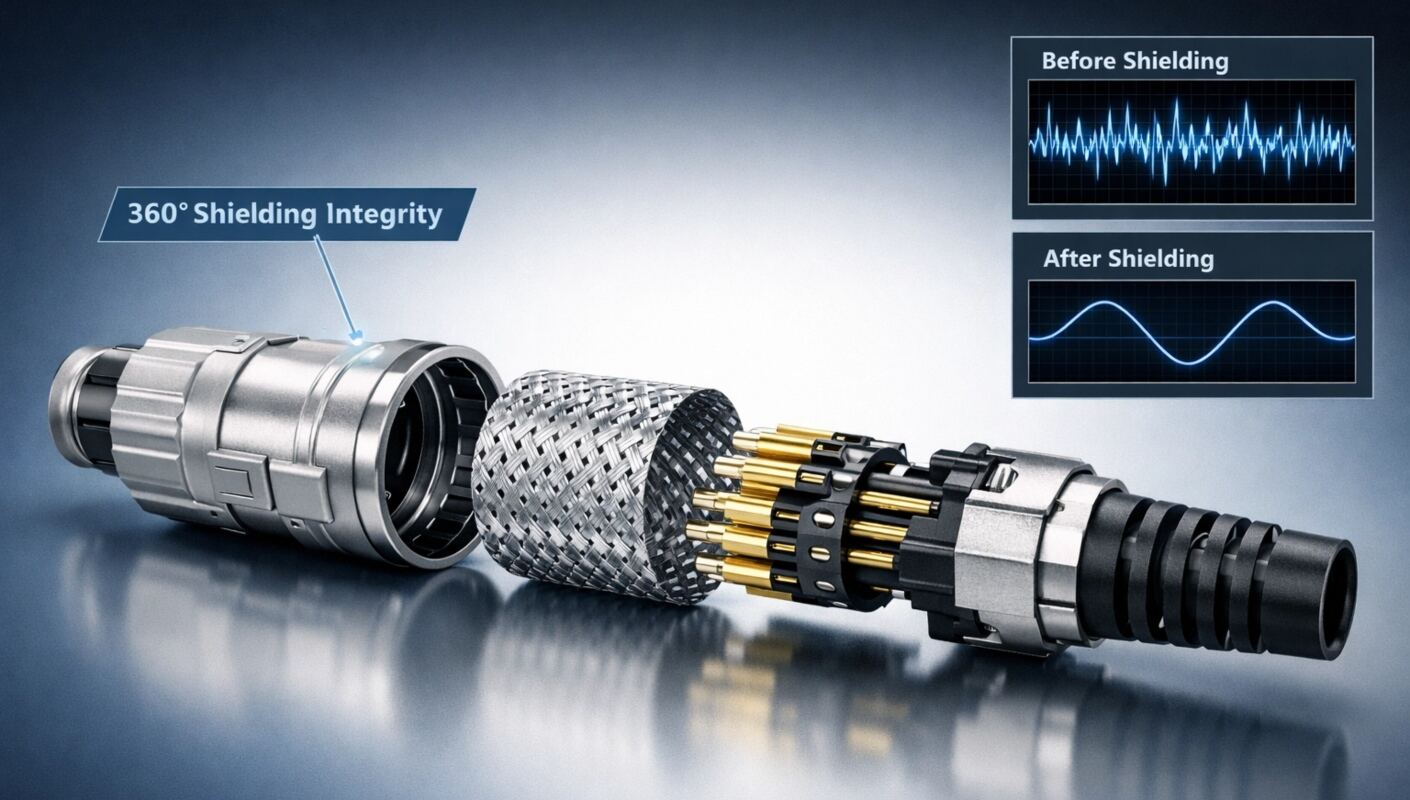
Why Shielded Connectors are Critical for Industrial Robotics: Overcoming EMI in High-Speed Automation

11

May

Why Shielded Connectors are Critical for Industrial Robotics: Overcoming EMI in High-Speed Automation

Struggling with robotic jitter, ghost failures, or positional drift? Shielded connectors eliminate EMI in high-speed automation—boost uptime & precision. Get the engineering guide.
View More
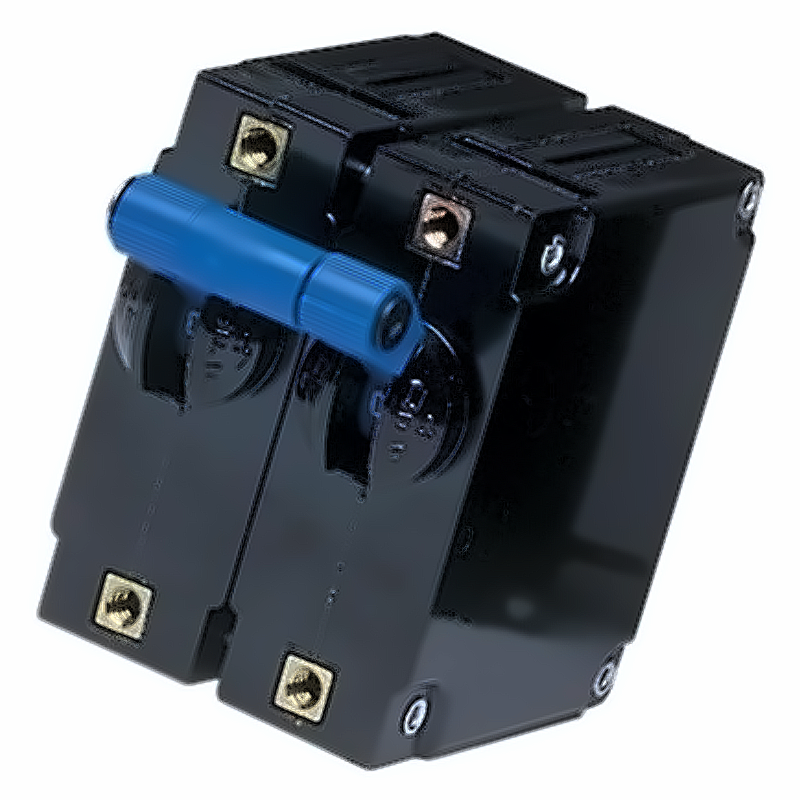
Why do manufacturers use contactor&relay systems in automated machinery?

12

Jun

Why do manufacturers use contactor&relay systems in automated machinery?

View More
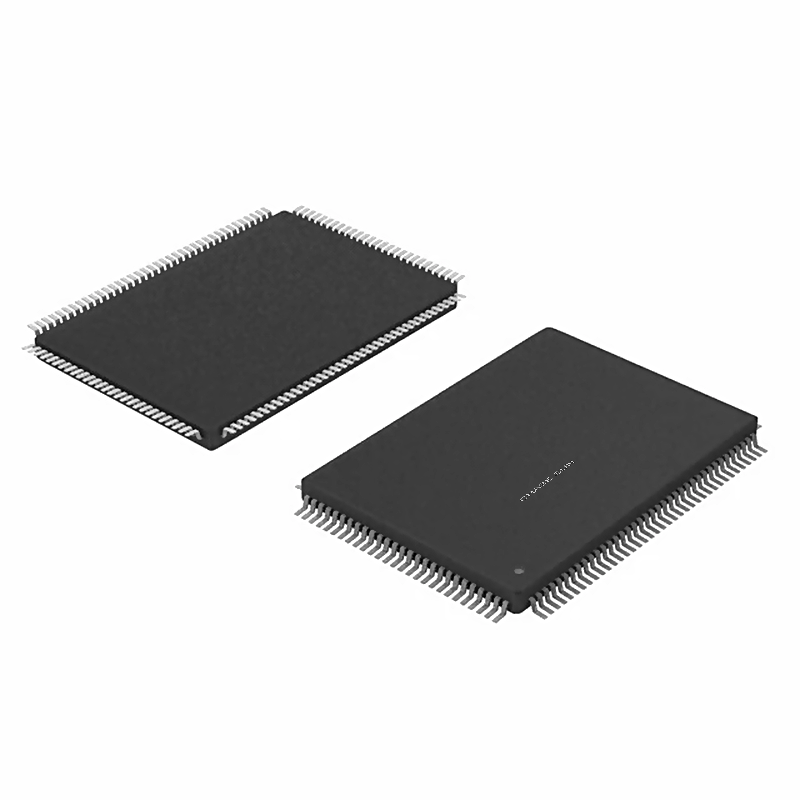
How do ic solutions improve integration in automotive and industrial electronics?

12

Jun

How do ic solutions improve integration in automotive and industrial electronics?

View More
Integrated Architecture for Simplified Design

Integrated Architecture for Simplified Design

The basic microcontroller delivers exceptional value through its highly integrated architecture that combines essential computing components on a single silicon chip. This integration includes the central processing unit, program memory, data memory, timers, and input/output ports all working together seamlessly. For designers and engineers, this means dramatically simplified circuit board layouts with fewer external components required, reducing both material costs and potential failure points. The integrated approach eliminates the complexity of interfacing separate chips, which traditionally required careful attention to timing, voltage levels, and communication protocols. Development time decreases significantly because you work with a unified system rather than coordinating multiple discrete components. The basic microcontroller architecture also enhances reliability since internal connections are manufactured with precision semiconductor processes rather than relying on solder joints and PCB traces that can degrade over time. This integration particularly benefits space-constrained applications where board real estate comes at a premium, allowing you to pack more functionality into smaller enclosures. Additionally, the unified architecture reduces power consumption compared to multi-chip solutions, as internal data transfers require less energy than external bus communications. For manufacturing, simplified designs mean faster assembly, easier quality control, and reduced inventory management challenges.
Cost-Effective Solution for Volume Production

Cost-Effective Solution for Volume Production

The basic microcontroller represents an outstanding cost-effective solution that makes advanced electronic control accessible for projects of any scale. Unit pricing remains remarkably low due to mature manufacturing processes and high production volumes, allowing you to incorporate intelligent control into products without significant cost penalties. This affordability extends beyond the chip itself to encompass the entire development ecosystem, with many manufacturers offering free integrated development environments, low-cost or free programming tools, and inexpensive evaluation boards that let you prototype ideas without substantial upfront investment. For businesses, the basic microcontroller enables competitive pricing strategies while maintaining healthy profit margins, crucial in price-sensitive markets. The economic advantage multiplies in high-volume production where even small per-unit savings translate to substantial total cost reductions. Furthermore, the basic microcontroller reduces indirect costs through simplified inventory management, as a single microcontroller model can often serve multiple product lines with different firmware, eliminating the need to stock various specialized control circuits. Training costs decrease because engineers and technicians can apply their basic microcontroller knowledge across diverse projects rather than learning new systems for each application. Long-term availability from established manufacturers protects your investment by ensuring you can source components for product lifecycles spanning years or decades, avoiding costly redesigns due to component obsolescence.
Versatile Programming for Diverse Applications

Versatile Programming for Diverse Applications

The basic microcontroller excels through its versatile programming capabilities that adapt to virtually any control application you can envision. Modern basic microcontroller platforms support multiple programming languages including C, assembly, and increasingly Python, allowing you to choose the approach that best matches your team's expertise and project requirements. This programming flexibility means you can start with simple code for basic functions and progressively add sophistication as your skills develop or project needs expand. The basic microcontroller handles diverse tasks from reading temperature sensors and controlling motors to communicating with other devices and managing complex timing sequences, all through software changes rather than hardware modifications. Development tools have evolved to include intuitive graphical programming environments for beginners alongside professional-grade compilers and debuggers for advanced users, democratizing access to embedded systems development. The ability to reprogram basic microcontroller devices in-circuit or even in the field enables you to fix bugs, add features, and adapt to changing requirements without hardware replacement, significantly extending product lifecycles and value. Rich libraries of pre-written code for common functions accelerate development by letting you focus on unique aspects of your application rather than reinventing standard solutions. This versatility makes the basic microcontroller equally suitable for educational purposes, hobby projects, professional prototypes, and mass-produced commercial products across industries from consumer electronics to industrial automation.