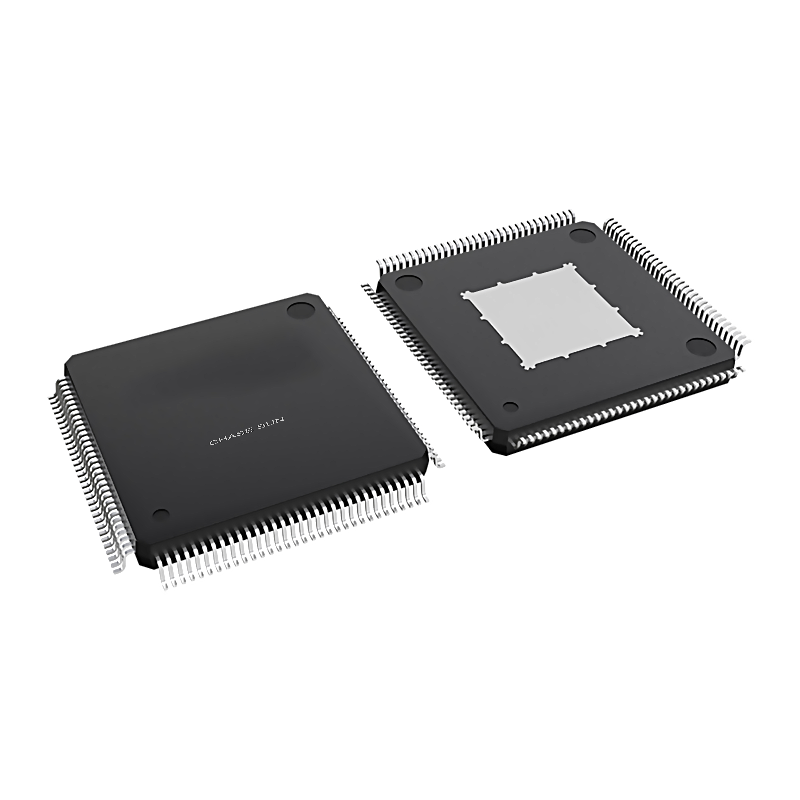
arm microcontrollers
ARM microcontrollers represent a revolutionary family of compact computing devices built around ARM processor architectures, delivering exceptional performance for embedded system applications. These versatile chips integrate a processor core, memory, and programmable input/output peripherals onto a single integrated circuit, making them ideal for countless electronic products. ARM microcontrollers are designed with Reduced Instruction Set Computing (RISC) principles, enabling efficient processing while consuming minimal power. The main functions include real-time data processing, sensor interfacing, communication protocol management, and control system operations. Technologically, ARM microcontrollers feature advanced 32-bit and 64-bit architectures, offering superior computational capabilities compared to traditional 8-bit alternatives. They support multiple operating modes, extensive interrupt handling, and sophisticated power management features that allow devices to operate efficiently across various power states. Modern ARM microcontrollers incorporate features like floating-point units, digital signal processing extensions, and security enhancements including cryptographic accelerators and secure boot capabilities. Applications span across automotive systems, industrial automation, consumer electronics, medical devices, Internet of Things (IoT) products, and smart home technologies. In automotive environments, ARM microcontrollers manage engine control units, safety systems, and infotainment platforms. Industrial settings utilize them for robotics, machine monitoring, and process control. Consumer products like smartphones, wearables, and smart appliances rely heavily on ARM microcontrollers for their processing needs. The widespread adoption of ARM microcontrollers stems from their scalability, allowing manufacturers to select appropriate performance levels while maintaining software compatibility across product lines, significantly reducing development time and costs.