low power microcontrollers
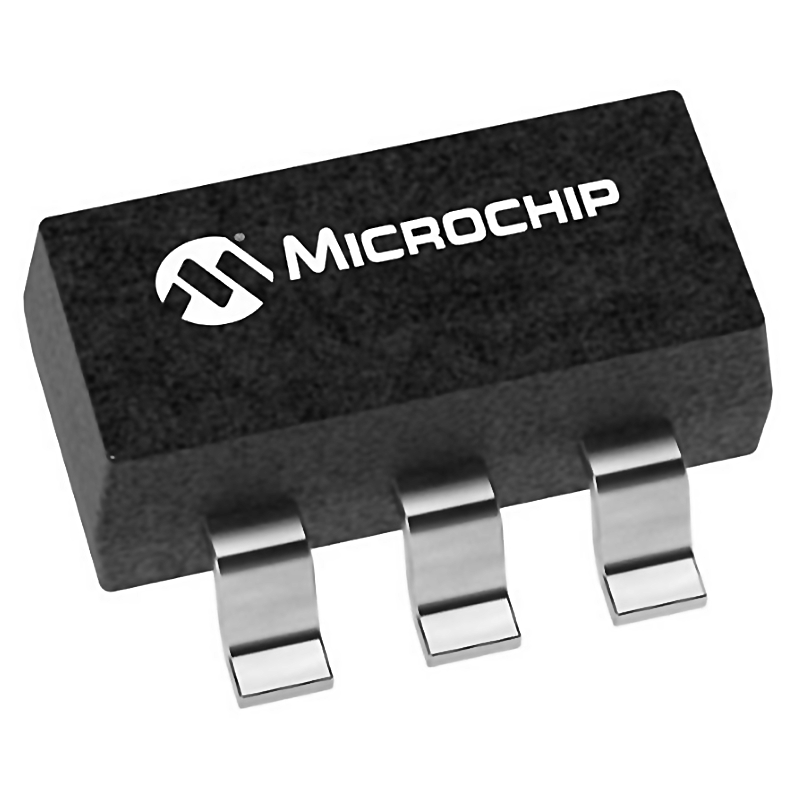
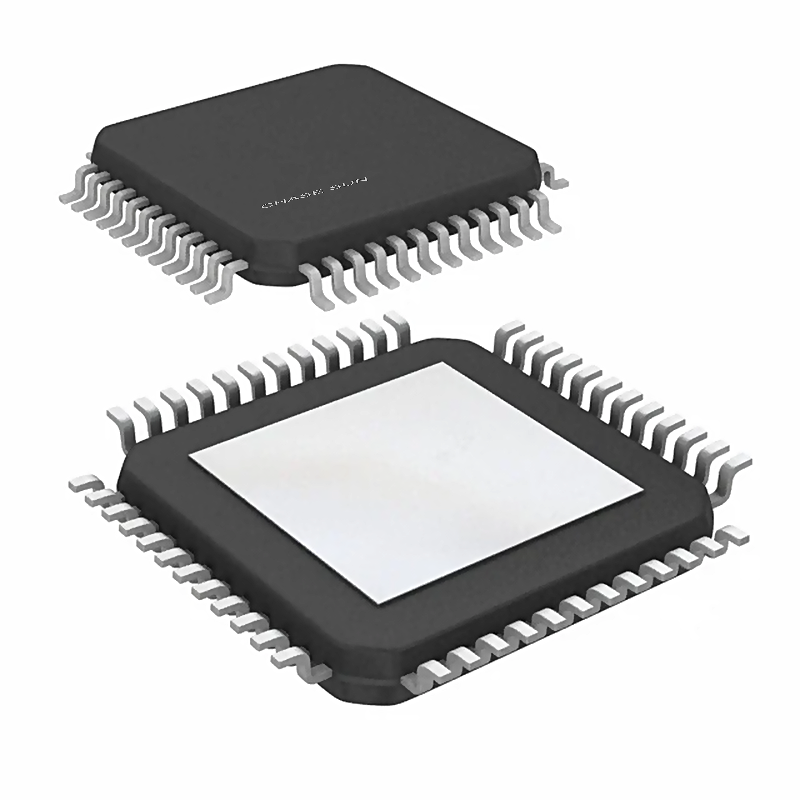
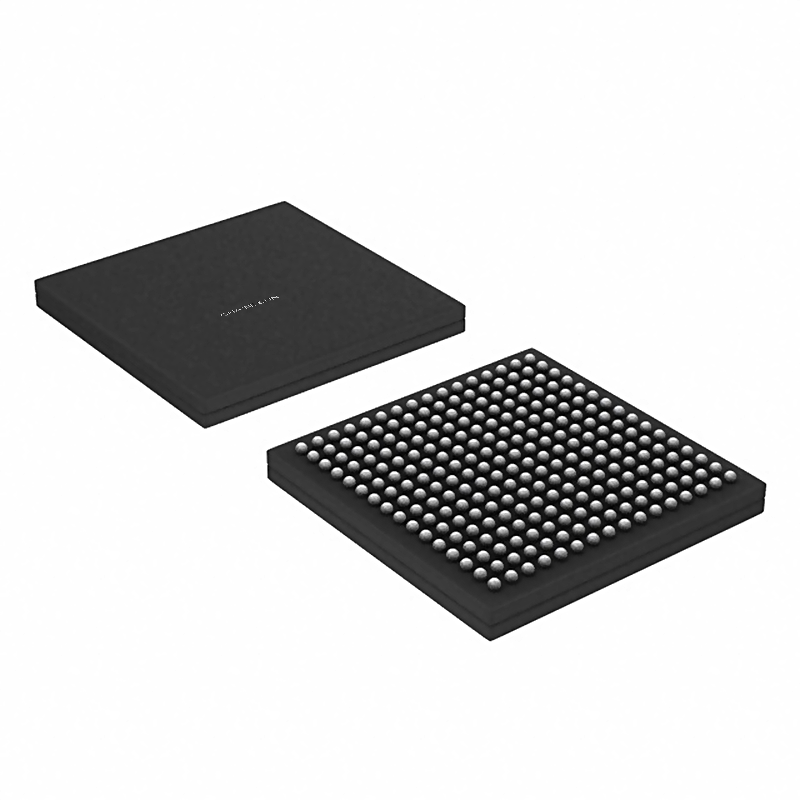
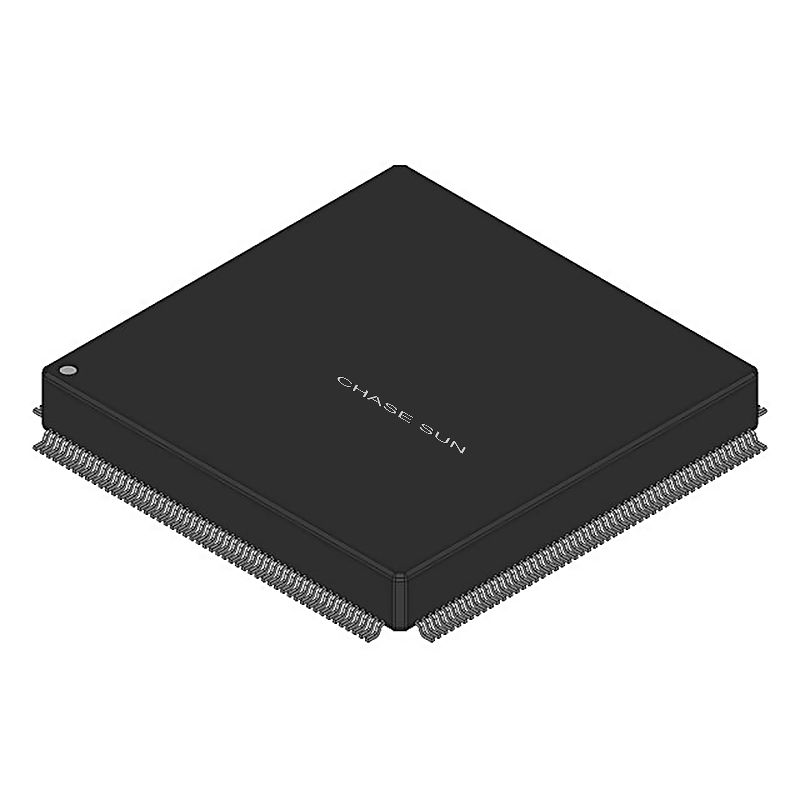
Low power microcontrollers are specialized integrated circuits designed to execute programmed instructions while consuming minimal electrical energy. These compact computing devices have become essential components in modern electronics, particularly in battery-operated and energy-sensitive applications. Low power microcontrollers integrate a processor core, memory modules, programmable input/output peripherals, and power management features onto a single chip. Their main functions include data processing, sensor interfacing, control signal generation, and communication protocol management. The technological features of low power microcontrollers encompass multiple sleep modes that drastically reduce current consumption during idle periods, dynamic voltage scaling that adjusts operating voltage based on workload requirements, and optimized clock management systems. Advanced architectures incorporate dedicated low-power peripherals that can operate independently while the main processor remains in deep sleep states. Modern low power microcontrollers utilize nanometer-scale fabrication processes, achieving standby currents measured in nanoamperes and active mode consumption in microamperes per megahertz. Applications span diverse industries including wearable health monitors, wireless sensor networks, smart home devices, portable medical equipment, industrial automation sensors, and Internet of Things endpoints. These microcontrollers enable extended battery life in consumer electronics, facilitate maintenance-free operation in remote monitoring systems, and support energy harvesting implementations where devices operate solely on ambient energy sources such as solar panels or kinetic generators.