32 Bit Microcontrollers - Advanced Performance

Your Trusted Partner in Electronics Supply Chain. Inquire Now!

Explore Our Latest Smart Electronics Collection.

, , 
Inquiry
Inquiry

32 bit microcontrollers

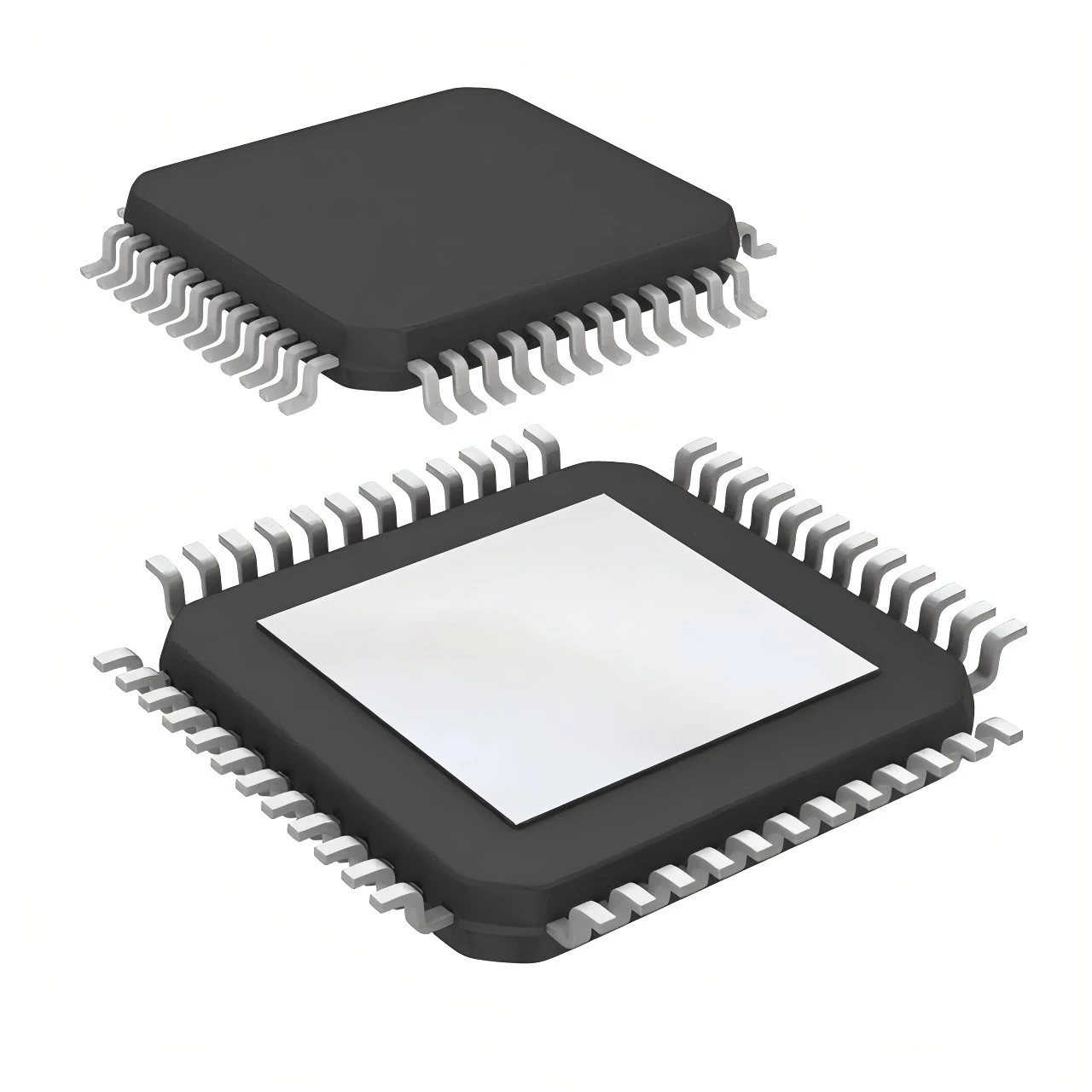
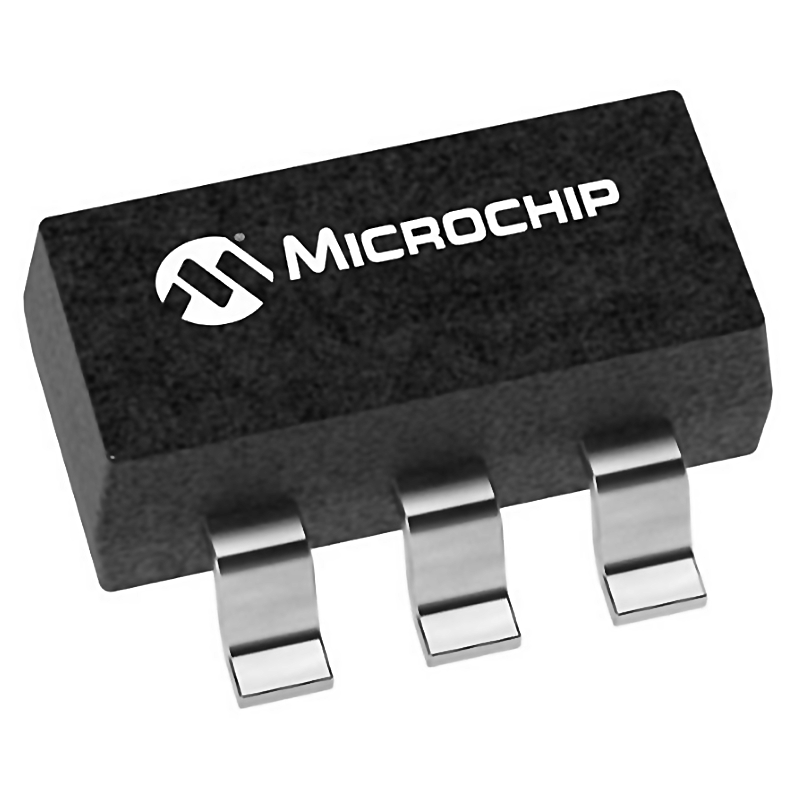
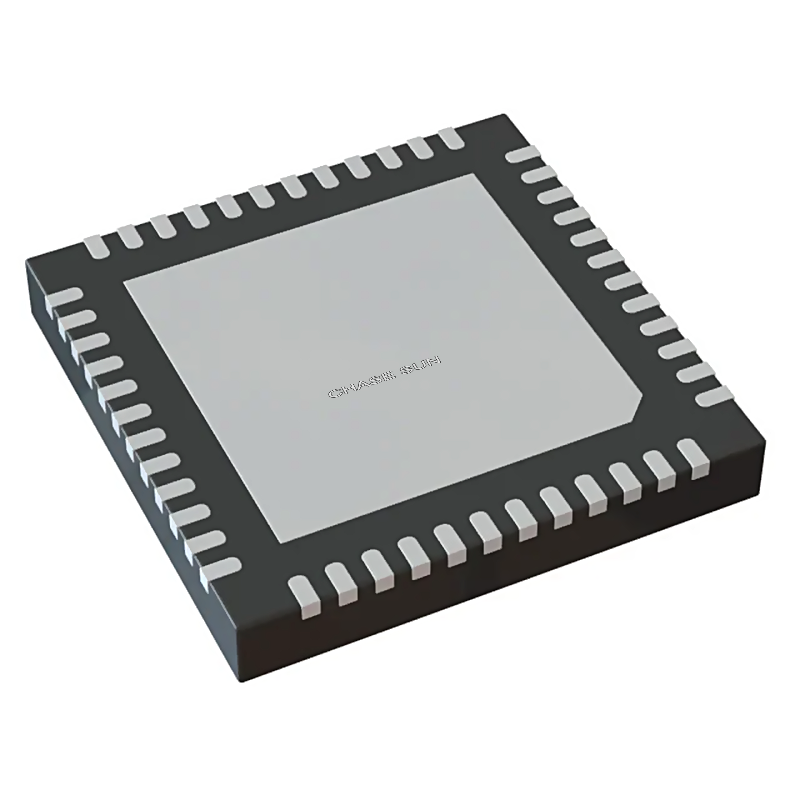
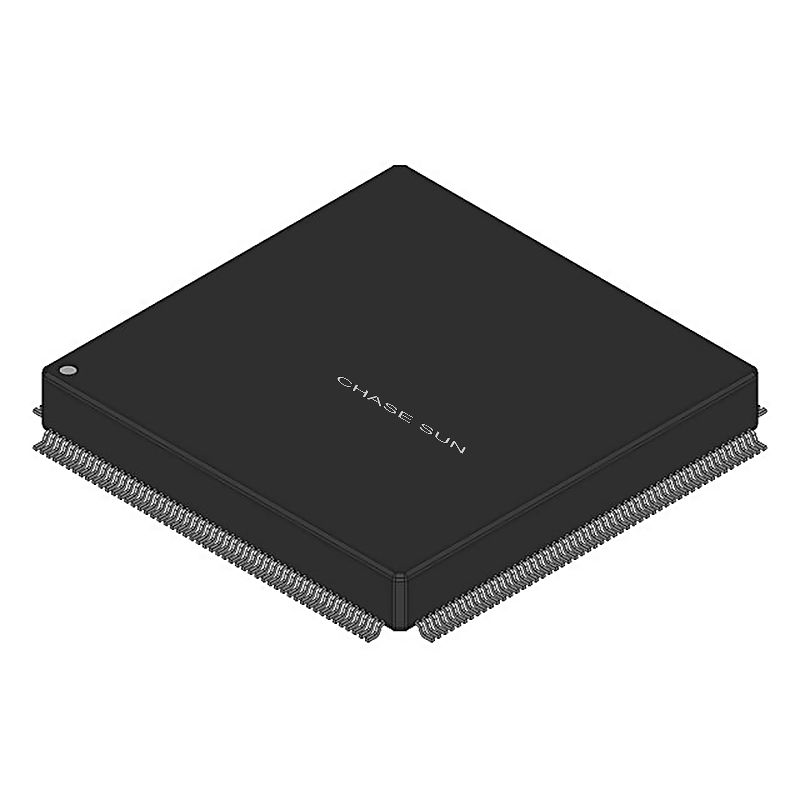
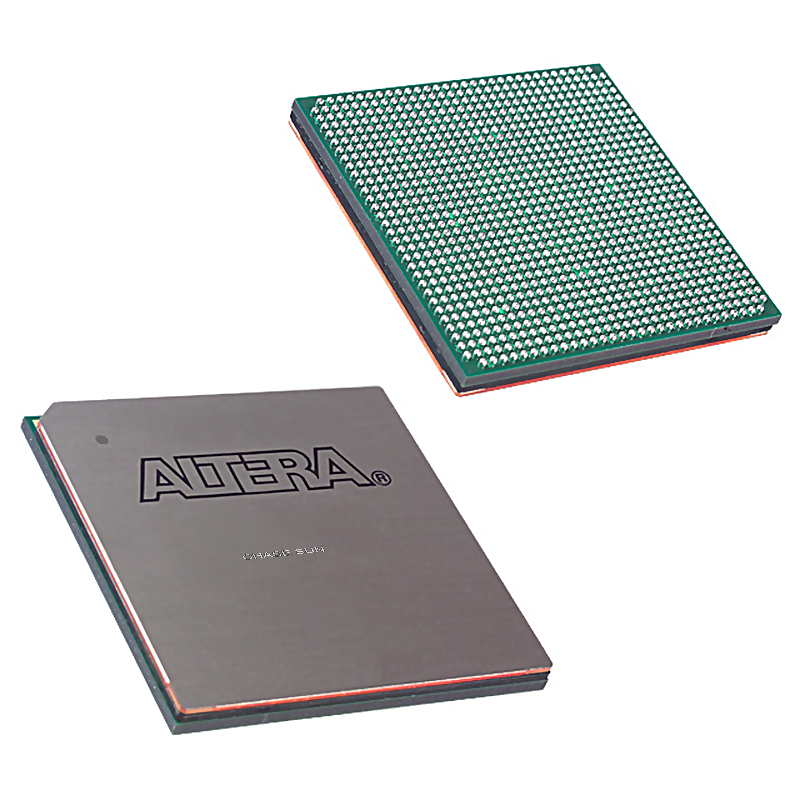
32 bit microcontrollers represent a significant advancement in embedded computing technology, offering powerful processing capabilities for modern electronic applications. These sophisticated devices feature a 32-bit data bus architecture that enables them to process information in larger chunks compared to their 8-bit and 16-bit predecessors. The main functions of 32 bit microcontrollers include executing complex algorithms, managing multiple peripheral interfaces, and handling demanding real-time operations with exceptional efficiency. Their technological features encompass higher clock speeds ranging from tens to hundreds of megahertz, expanded memory addressing capabilities that support gigabytes of RAM, and advanced instruction sets that accelerate mathematical computations. Modern 32 bit microcontrollers integrate numerous peripherals such as USB controllers, Ethernet interfaces, LCD drivers, and analog-to-digital converters directly on the chip. These devices excel in applications requiring substantial computational power, including industrial automation systems, automotive control units, medical diagnostic equipment, consumer electronics, Internet of Things devices, and robotics platforms. The architecture supports sophisticated operating systems like embedded Linux and real-time operating systems, enabling developers to create feature-rich applications. With their enhanced processing power, 32 bit microcontrollers facilitate faster data throughput, improved signal processing, and the ability to run multiple tasks simultaneously through multithreading capabilities, making them indispensable for contemporary embedded system designs that demand both performance and versatility.
Choosing 32 bit microcontrollers delivers substantial practical benefits that directly impact your project success and operational efficiency. These devices provide significantly faster execution speeds, allowing your applications to respond instantly to user inputs and process data in real-time without delays. The expanded memory capacity means you can store more program code and data, enabling you to add advanced features without worrying about running out of space. This translates to future-proof designs that can evolve as your requirements grow. The enhanced computational power of 32 bit microcontrollers makes them ideal for handling complex mathematical operations, digital signal processing, and encryption algorithms that would overwhelm simpler processors. You benefit from reduced development time because these controllers support high-level programming languages like C and C++, making code easier to write, debug, and maintain. The rich ecosystem of development tools, libraries, and community support accelerates your time-to-market significantly. From a cost perspective, while individual units may carry a higher initial price than simpler alternatives, 32 bit microcontrollers often reduce overall system costs by eliminating the need for external components thanks to their integrated peripherals. Their energy-efficient architectures include power management features that extend battery life in portable applications, a critical advantage for mobile and IoT products. The superior performance-per-watt ratio ensures your devices run cooler and more reliably. Whether you're developing smart home devices, wearable technology, or industrial monitoring systems, 32 bit microcontrollers provide the processing muscle, connectivity options, and scalability needed to create competitive products that meet modern consumer expectations and regulatory standards.

Tips And Tricks

How does a mosfet transistor reduce energy loss in electronic equipment?

12

Jun

How does a mosfet transistor reduce energy loss in electronic equipment?

View More
Why are ic solutions essential for modern power and control systems?

12

Jun

Why are ic solutions essential for modern power and control systems?

View More
How does a power management ic improve efficiency in automotive electronics?

12

Jun

How does a power management ic improve efficiency in automotive electronics?

View More
Superior Processing Performance and Multitasking Capability

Superior Processing Performance and Multitasking Capability

The architectural advantage of 32 bit microcontrollers lies in their ability to process data in 32-bit wide chunks, quadrupling the information throughput compared to 8-bit alternatives in a single clock cycle. This fundamental capability enables these controllers to execute complex software routines, manage multiple communication protocols simultaneously, and handle interrupt-driven tasks without performance degradation. The enhanced processing power supports running real-time operating systems that coordinate multiple application threads, allowing developers to structure code more efficiently and create responsive user experiences. Modern 32 bit microcontrollers incorporate hardware acceleration units for floating-point mathematics, cryptographic operations, and digital signal processing, offloading these intensive tasks from the main processor core. This parallel processing capability means your application can simultaneously collect sensor data, communicate over wireless networks, update displays, and execute control algorithms without creating bottlenecks. For developers, this translates to the freedom to implement sophisticated features like predictive algorithms, machine learning inference, and advanced user interfaces that differentiate products in competitive markets and deliver exceptional user satisfaction.
Extensive Memory Addressing and Integration

Extensive Memory Addressing and Integration

One of the most compelling advantages of 32 bit microcontrollers is their vastly superior memory addressing capability, supporting up to 4 gigabytes of addressable space compared to the 64 kilobytes typical of 8-bit devices. This enormous expansion allows developers to implement large applications with extensive feature sets, store substantial amounts of data for logging and analysis, and utilize sophisticated software frameworks without memory constraints. The integrated peripheral set found in modern 32 bit microcontrollers eliminates the need for numerous external components, simplifying board design and reducing bill-of-materials costs. Common integrated features include multiple UART, SPI, and I2C communication interfaces, USB host and device controllers, Ethernet MAC layers, CAN bus interfaces for automotive applications, LCD controllers with graphics acceleration, and high-resolution analog-to-digital converters. This integration reduces electromagnetic interference issues, lowers power consumption, and improves system reliability by minimizing interconnections. The result is faster product development cycles, smaller form factors, and more robust designs that meet stringent quality requirements while providing the flexibility to adapt to changing specifications throughout the product lifecycle.
Rich Development Ecosystem and Long-Term Viability

Rich Development Ecosystem and Long-Term Viability

Investing in 32 bit microcontrollers provides access to mature development ecosystems supported by major semiconductor manufacturers and vibrant developer communities. Comprehensive integrated development environments offer advanced debugging capabilities, real-time trace functions, and performance profiling tools that dramatically reduce troubleshooting time. Extensive software libraries provide pre-tested code for communication protocols, file systems, graphics rendering, and middleware components, allowing developers to focus on application-specific innovation rather than reinventing fundamental functionality. The availability of evaluation boards, reference designs, and detailed documentation accelerates prototype development and reduces technical risk. Industry-standard architectures like ARM Cortex ensure software portability across different manufacturers, protecting your code investment and providing supply chain flexibility. The widespread adoption of 32 bit microcontrollers in commercial products guarantees long-term component availability and ongoing technical support, critical factors for products with extended lifecycles. This ecosystem maturity means faster problem resolution, access to experienced developers, and the confidence that your chosen platform will remain viable and supported throughout your product's market life, minimizing obsolescence risk and protecting your development investment.