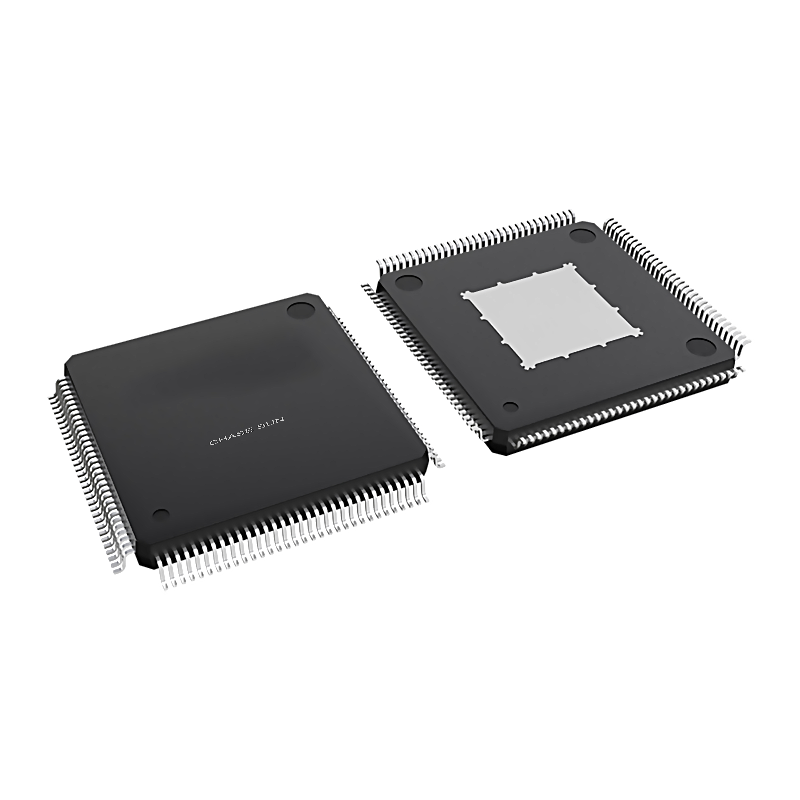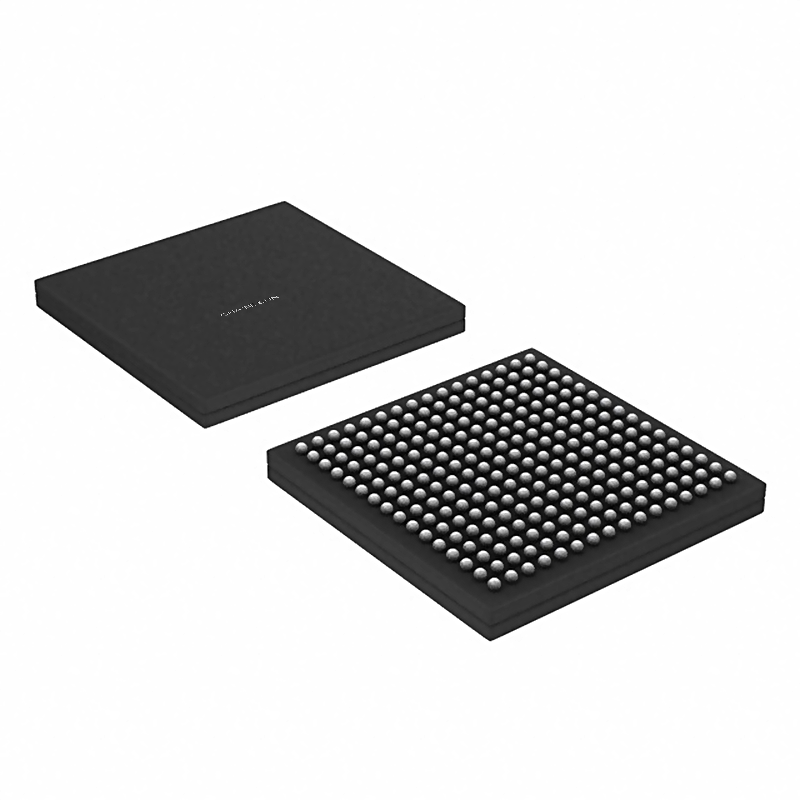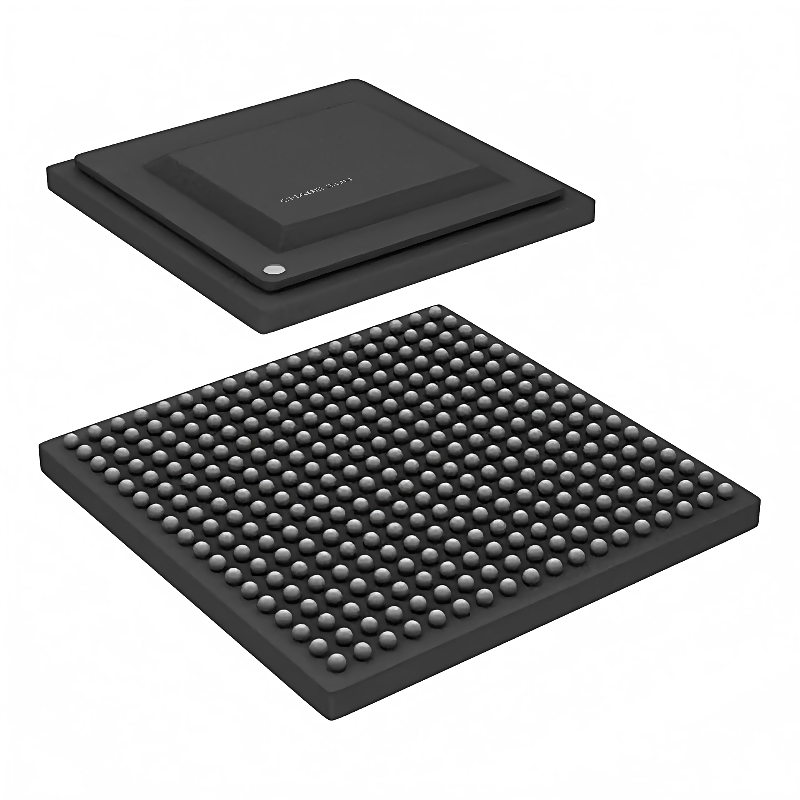
embedded microcontrollers
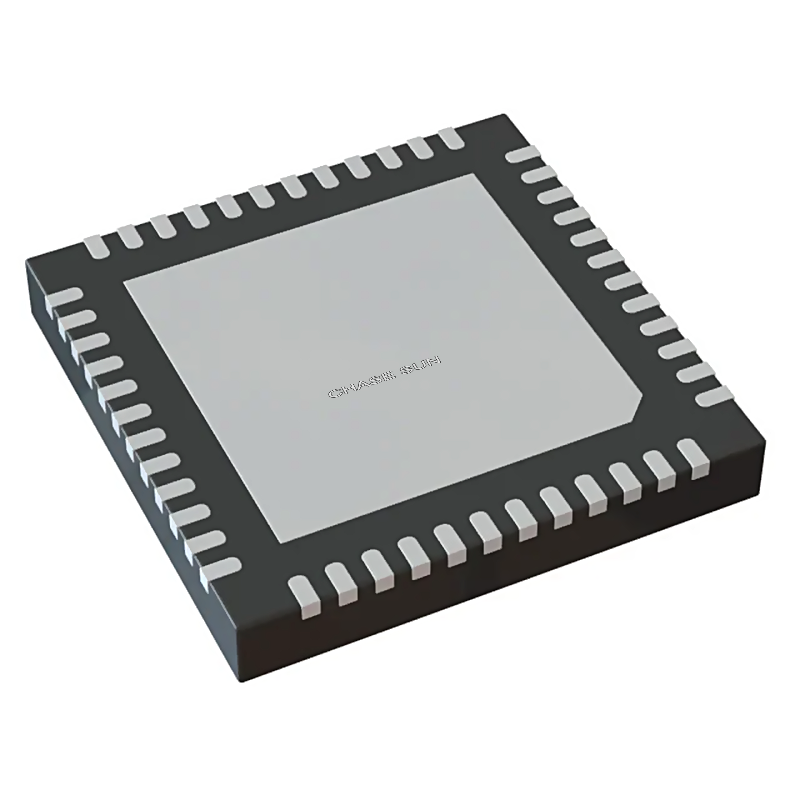
Embedded microcontrollers represent compact integrated circuits designed to execute specific control functions within electronic systems and devices. These sophisticated components combine a processor core, memory modules, and programmable input/output peripherals on a single chip, making them essential building blocks for modern intelligent products. Embedded microcontrollers serve as the brain of countless applications, managing tasks ranging from simple sensor readings to complex decision-making processes. Their main functions include data processing, signal conversion, communication protocol management, and real-time control operations. The technological features of embedded microcontrollers encompass low power consumption architectures, multiple communication interfaces such as UART, SPI, and I2C, analog-to-digital converters, timers, and interrupt handling capabilities. These versatile components operate with minimal external components, reducing overall system complexity and cost. Applications for embedded microcontrollers span across automotive systems for engine management and safety features, consumer electronics including smart home devices and wearables, industrial automation for process control and monitoring, medical equipment for patient monitoring and diagnostic tools, and telecommunications infrastructure. The scalability of embedded microcontrollers allows manufacturers to select appropriate processing power and memory configurations matching specific application requirements. With advancing semiconductor technology, modern embedded microcontrollers offer enhanced performance, improved energy efficiency, and expanded connectivity options, enabling innovation across virtually every technology sector while maintaining affordability and reliability for mass production environments.