Industrial Microcontrollers for Automation

Your Trusted Partner in Electronics Supply Chain. Inquire Now!

Explore Our Latest Smart Electronics Collection.

, , 
Inquiry
Inquiry

industrial microcontrollers

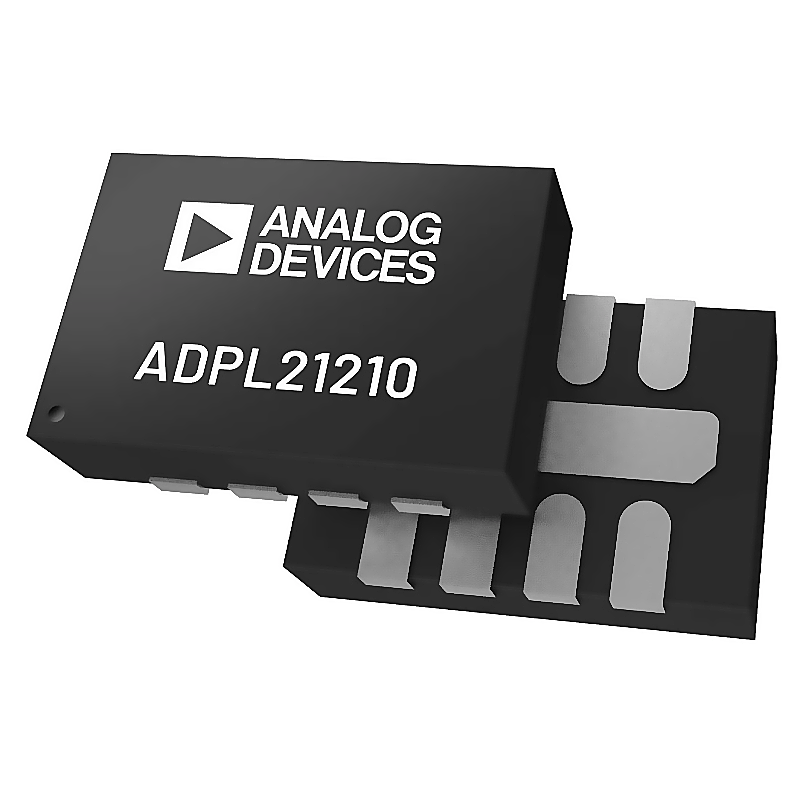
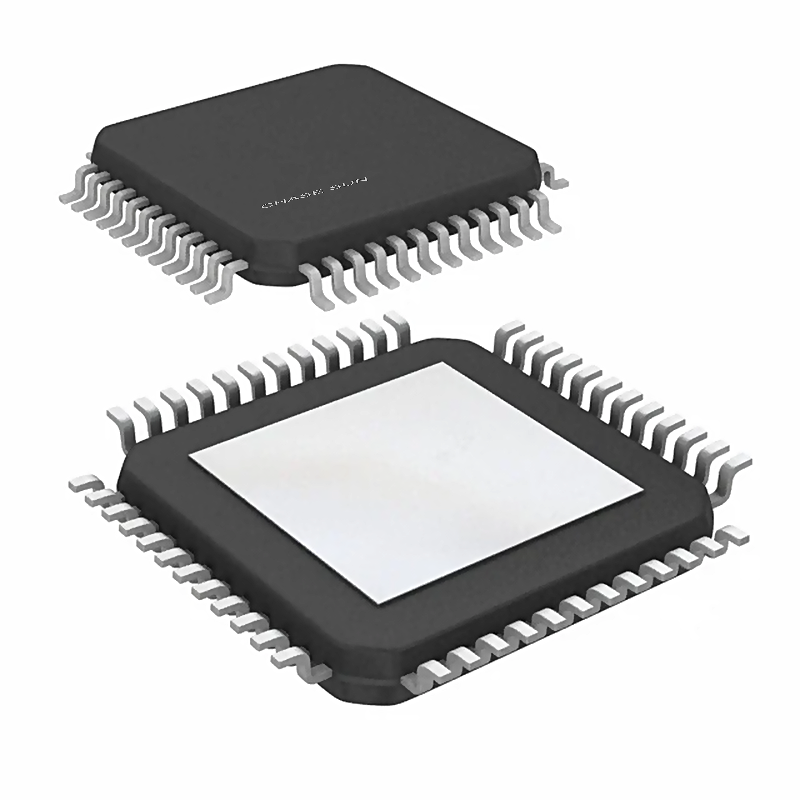
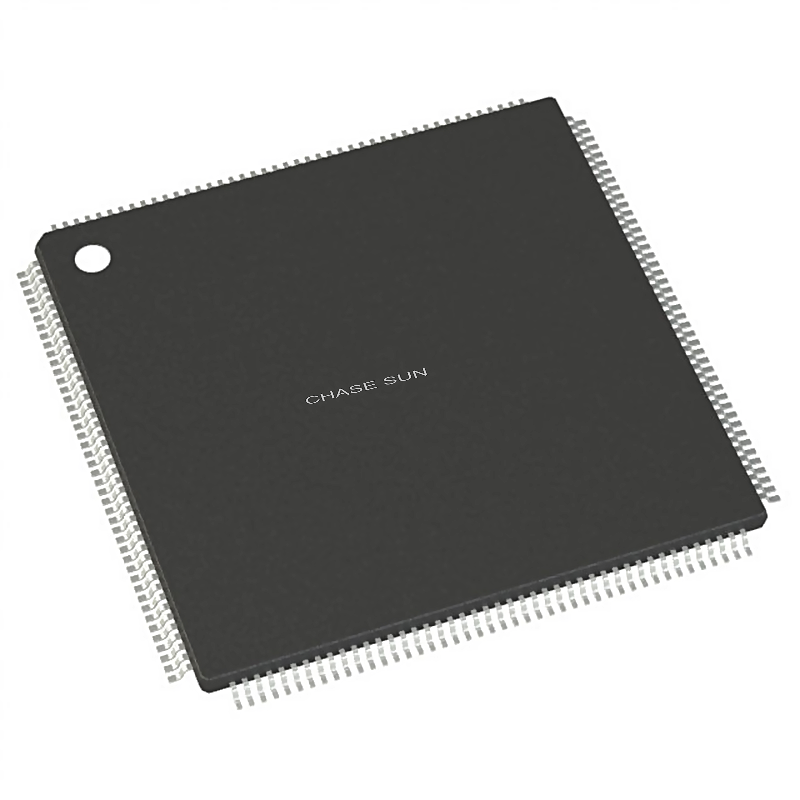
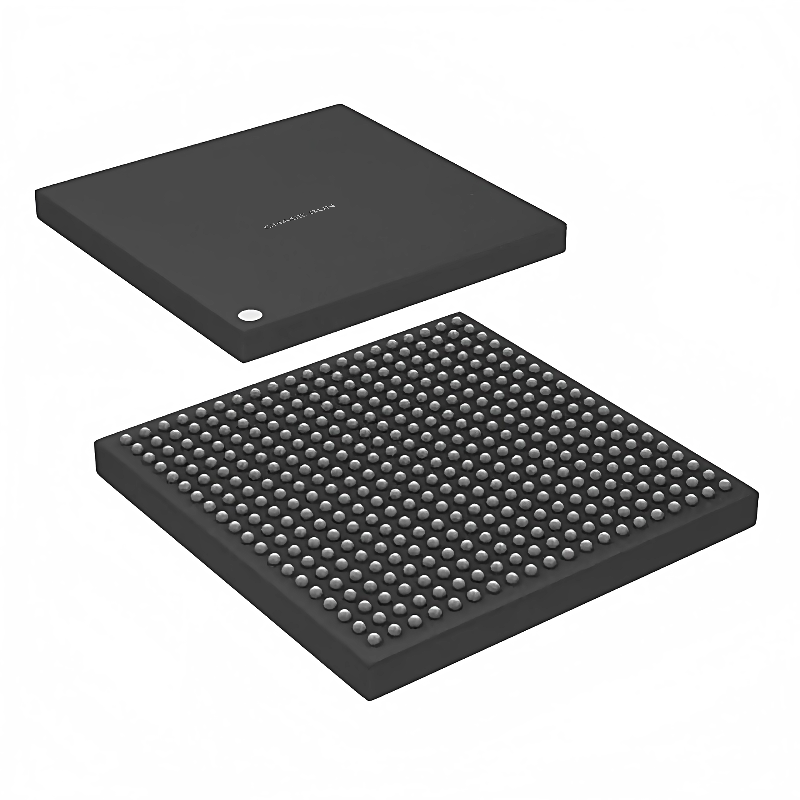
Industrial microcontrollers represent specialized computing devices engineered to operate reliably in demanding manufacturing and automation environments. These robust processors serve as the intelligence behind countless industrial applications, managing complex operations while withstanding harsh conditions that would compromise standard microcontrollers. Industrial microcontrollers feature enhanced temperature tolerance, superior electromagnetic interference resistance, and extended operational lifespans that make them indispensable for factory automation, process control, and mission-critical systems. The technological architecture of industrial microcontrollers incorporates hardened silicon designs, redundant safety mechanisms, and real-time processing capabilities that ensure consistent performance across diverse industrial settings. These devices typically operate across extended temperature ranges from minus forty to one hundred twenty-five degrees Celsius, while maintaining precise timing and control functions. Key features include multiple communication protocols such as CAN bus, Modbus, and industrial Ethernet interfaces that enable seamless integration with existing infrastructure. Industrial microcontrollers provide analog and digital input-output channels for sensor integration, pulse-width modulation for motor control, and built-in safety features compliant with international standards. Applications span motor drives, programmable logic controllers, human-machine interfaces, power management systems, industrial networking equipment, and smart sensors. Manufacturing sectors including automotive production, food processing, pharmaceutical manufacturing, oil and gas operations, and renewable energy systems depend on industrial microcontrollers for automated processes that demand unwavering reliability and precision control in challenging operational environments where failure is not an option.
Choosing industrial microcontrollers delivers tangible benefits that directly impact your operational efficiency and bottom line. These specialized processors reduce downtime significantly because they withstand voltage fluctuations, temperature extremes, and electromagnetic noise that would disable consumer-grade alternatives. You gain peace of mind knowing your critical systems continue functioning during power surges, electrical storms, or in environments with heavy machinery generating interference. The extended temperature operation means you eliminate costly climate control requirements in facilities ranging from freezer warehouses to foundries with extreme heat. Industrial microcontrollers offer longer product lifecycles, often remaining available for ten to fifteen years, which protects your investment by ensuring replacement parts and support remain accessible throughout your equipment's operational life. This longevity eliminates expensive redesigns and recertification processes that arise when components become obsolete. You benefit from enhanced security features protecting intellectual property and preventing unauthorized access to your control systems, which is increasingly critical as industrial networks connect to broader enterprise systems. The built-in safety certifications mean industrial microcontrollers arrive pre-qualified for compliance with international standards, accelerating your time to market and reducing certification costs. Real-time processing capabilities ensure your systems respond instantaneously to changing conditions, preventing quality defects, equipment damage, or safety incidents that result from delayed responses. These controllers simplify system architecture by integrating multiple functions within a single chip, reducing board complexity, component count, and assembly costs. When you select industrial microcontrollers, you invest in proven technology that thousands of installations have validated across decades of service in the most demanding applications worldwide, giving you confidence in reliability that translates directly to reduced maintenance expenses and higher production uptime.

Practical Tips

Strategic Hardware Design for High-Density Mobile Electronics: A Comprehensive Layout and Component Selection Guide

11

May

Strategic Hardware Design for High-Density Mobile Electronics: A Comprehensive Layout and Component Selection Guide

Struggling with signal integrity & power stability in ultra-compact laptops? This expert guide covers IC layout, passive component selection, ESD protection & embedded solutions. Optimize your next-gen design now.
View More
Why do manufacturers use contactor&relay systems in automated machinery?

12

Jun

Why do manufacturers use contactor&relay systems in automated machinery?

View More
How do ic solutions improve integration in automotive and industrial electronics?

12

Jun

How do ic solutions improve integration in automotive and industrial electronics?

View More
Extreme Environment Resilience

Extreme Environment Resilience

Industrial microcontrollers excel in hostile conditions where conventional electronics fail, providing unmatched durability for demanding applications. These processors undergo rigorous qualification testing including extended temperature cycling, humidity exposure, vibration stress, and electromagnetic compatibility validation that far exceeds consumer product standards. The silicon die itself incorporates design modifications that enhance radiation tolerance and prevent latch-up conditions caused by electrical transients. Advanced packaging technologies with hermetic sealing protect internal circuits from moisture, corrosive gases, and contaminants present in chemical processing or outdoor installations. This environmental hardening means your equipment operates reliably whether deployed in desert heat, arctic cold, or high-altitude conditions with reduced atmospheric pressure. The voltage regulation circuits tolerate supply variations from brownouts to spikes without corrupting memory or losing program execution, maintaining continuous operation during grid instability. Industrial microcontrollers resist electromagnetic interference from variable frequency drives, welding equipment, and radio transmitters that would crash standard processors, ensuring your production lines continue operating in electrically noisy factory floors where multiple high-power systems operate simultaneously.
Comprehensive Safety Integration

Comprehensive Safety Integration

Safety represents a paramount concern in industrial settings, and industrial microcontrollers incorporate multiple protective layers that prevent hazardous failures and meet stringent regulatory requirements. These devices feature hardware-based watchdog timers that automatically reset the system if software execution becomes trapped in infinite loops or corrupted states, preventing dangerous runaway conditions. Redundant processing cores in advanced models execute critical safety functions in parallel, continuously cross-checking calculations to detect errors from radiation strikes, voltage glitches, or component degradation. Memory protection units prevent errant code from overwriting critical data structures, while error-correcting code memory automatically repairs single-bit errors and detects multi-bit failures before they compromise system integrity. Industrial microcontrollers support safety protocols such as Safety Integrity Level certification, enabling implementation of emergency stop systems, safety door monitors, and protective interlocks that meet international machinery safety directives. Built-in diagnostic features continuously monitor supply voltages, clock frequencies, and temperature sensors, triggering safe shutdown sequences when parameters drift outside acceptable ranges. This comprehensive safety architecture reduces liability risks, protects personnel from injury, and prevents equipment damage that results from control system malfunctions in automated manufacturing environments.
Industrial Communication Versatility

Industrial Communication Versatility

Modern manufacturing demands seamless data exchange between diverse equipment, and industrial microcontrollers provide extensive connectivity options that integrate effortlessly with existing infrastructure and emerging Industry 4.0 protocols. These processors incorporate multiple serial interfaces including RS-232, RS-485, and UART channels for legacy equipment communication, while simultaneous CAN bus and LIN interfaces connect to automotive-derived control networks common in mobile machinery. Industrial Ethernet implementations such as EtherCAT, PROFINET, and Ethernet/IP enable high-speed data transfer to supervisory systems and cloud platforms for real-time monitoring and predictive maintenance analytics. Industrial microcontrollers support both master and slave configurations across these protocols, providing flexibility whether you are building intelligent sensors, remote terminal units, or central control systems. The integrated communication peripherals reduce external component requirements and minimize board space, while hardware-accelerated protocol engines offload time-critical messaging from the main processor, ensuring deterministic response times essential for synchronized motion control and distributed control systems. This communication versatility future-proofs your designs as manufacturing evolves toward connected smart factories, enabling you to add advanced features such as remote diagnostics, over-the-air firmware updates, and integration with enterprise resource planning systems without hardware redesigns that would otherwise require costly product recalls or field upgrades across installed equipment bases.