mcu microcontroller
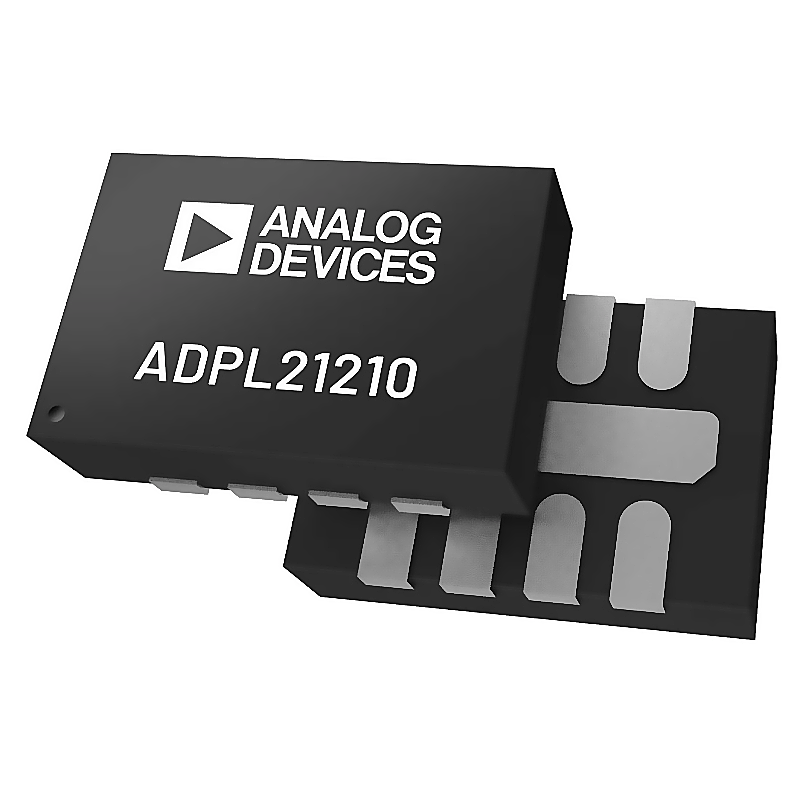
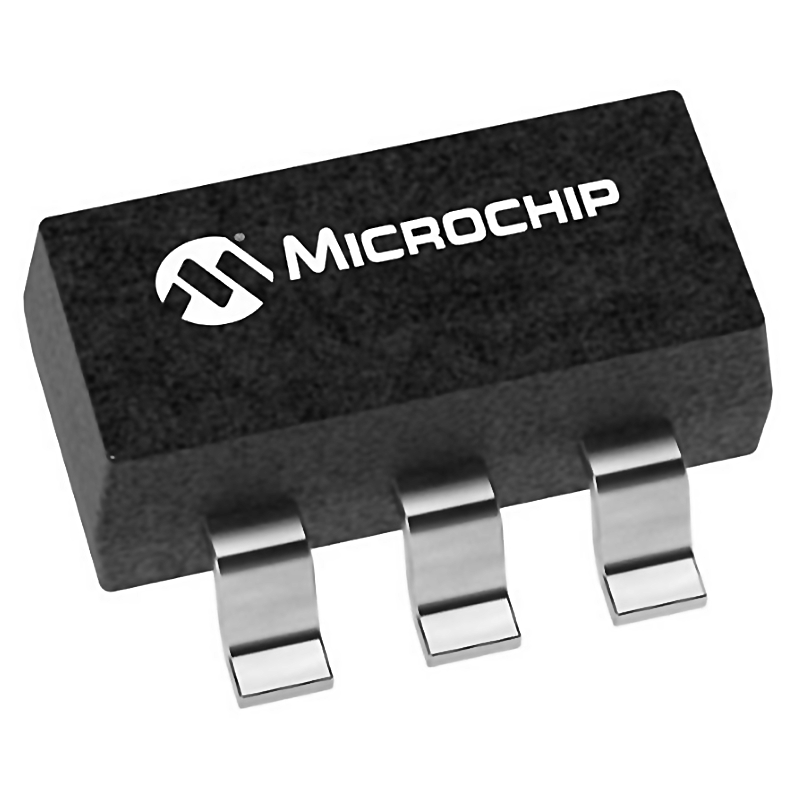
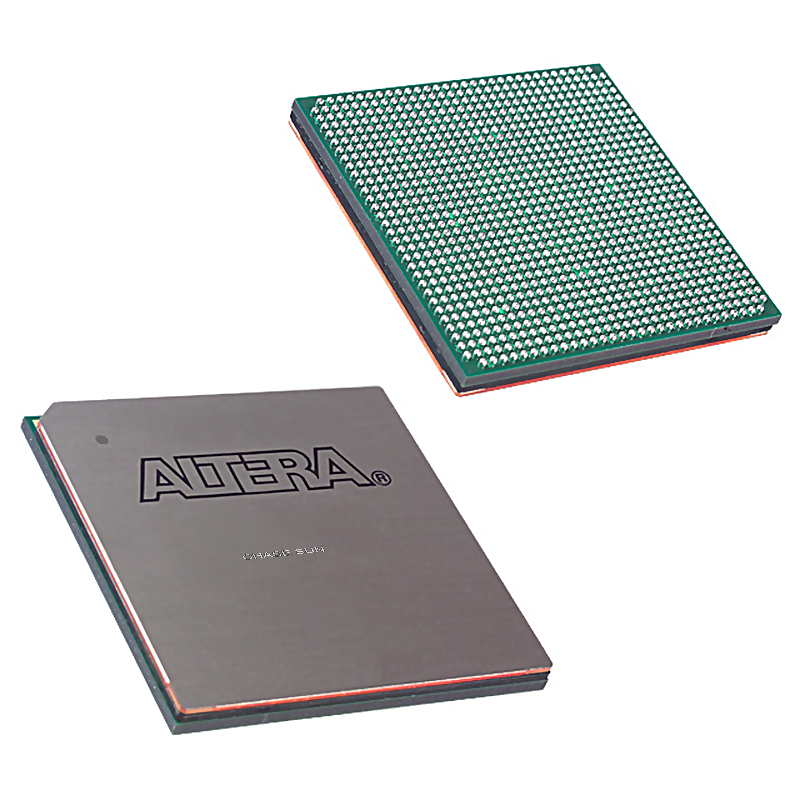
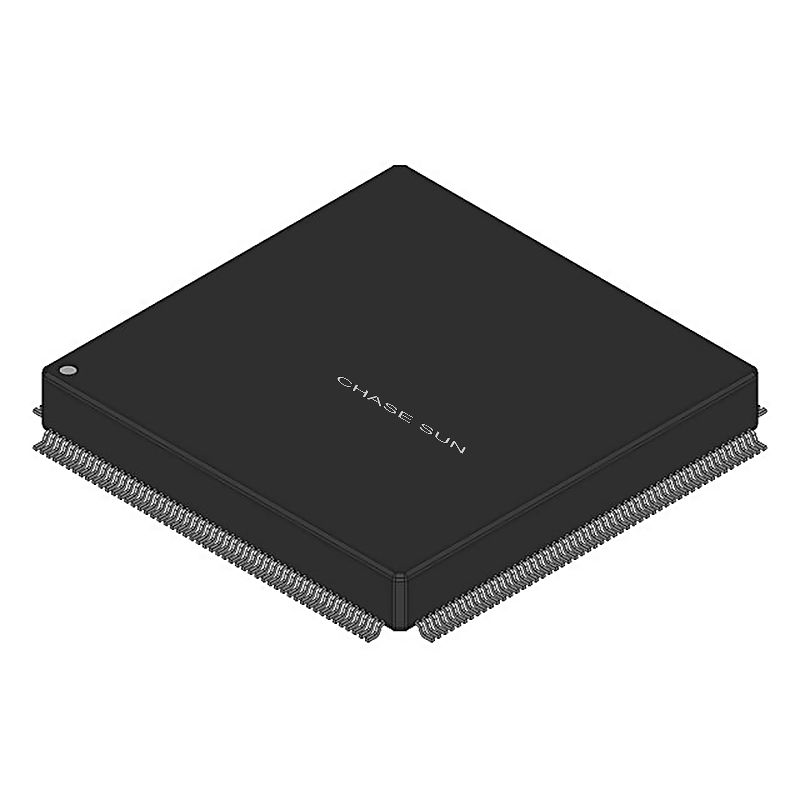
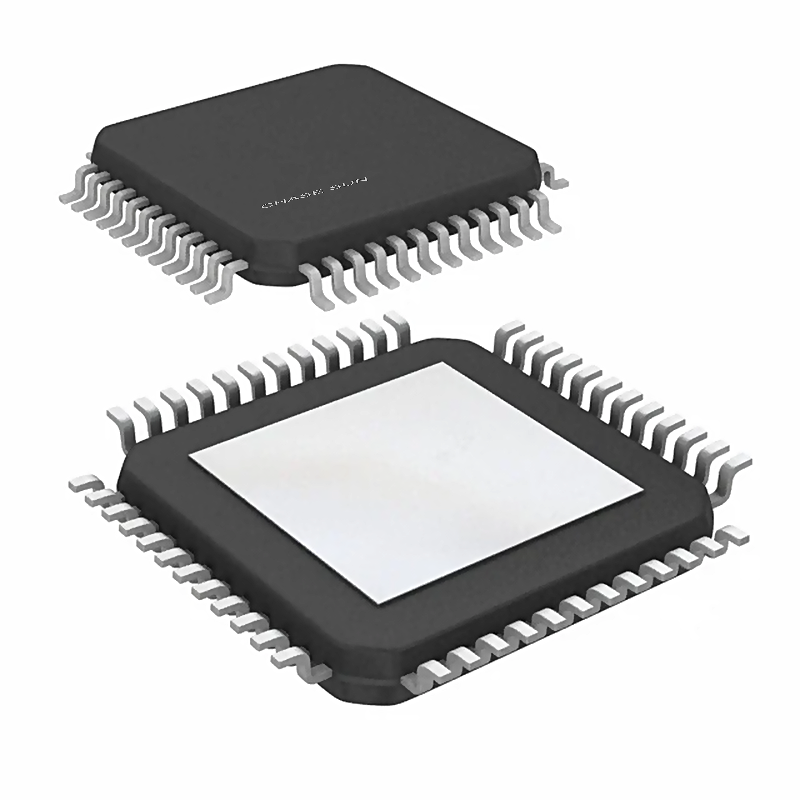
An mcu microcontroller is a compact integrated circuit designed to govern specific operations in embedded systems and electronic devices. This sophisticated component combines a processor core, memory modules, and programmable input/output peripherals on a single chip, making it an essential building block for modern electronics. The mcu microcontroller executes programmed instructions to control various functions, from simple tasks like LED blinking to complex operations in automotive systems and industrial automation. Its main functions include data processing, signal conversion, timing control, and communication with external devices through multiple interfaces such as UART, SPI, and I2C protocols. Technological features of the mcu microcontroller encompass low power consumption modes, flexible clock configurations, analog-to-digital converters, and robust interrupt handling capabilities. These controllers are available in various architectures, including 8-bit, 16-bit, and 32-bit variants, each suited for different complexity levels and performance requirements. Applications span across consumer electronics, automotive control systems, medical devices, home automation, robotics, and Internet of Things implementations. The mcu microcontroller serves as the brain of smart appliances, wearable technology, industrial sensors, and communication equipment. Its versatility allows engineers to develop cost-effective solutions for real-time monitoring, motor control, temperature regulation, and wireless connectivity. With continuous advancements in semiconductor technology, modern mcu microcontroller units offer enhanced processing speeds, increased memory capacity, and improved energy efficiency, enabling innovation across multiple industries.