Automotive PMIC Solutions for Vehicle Power

Your Trusted Partner in Electronics Supply Chain. Inquire Now!

Explore Our Latest Smart Electronics Collection.

, , 
Inquiry
Inquiry

automotive pmic

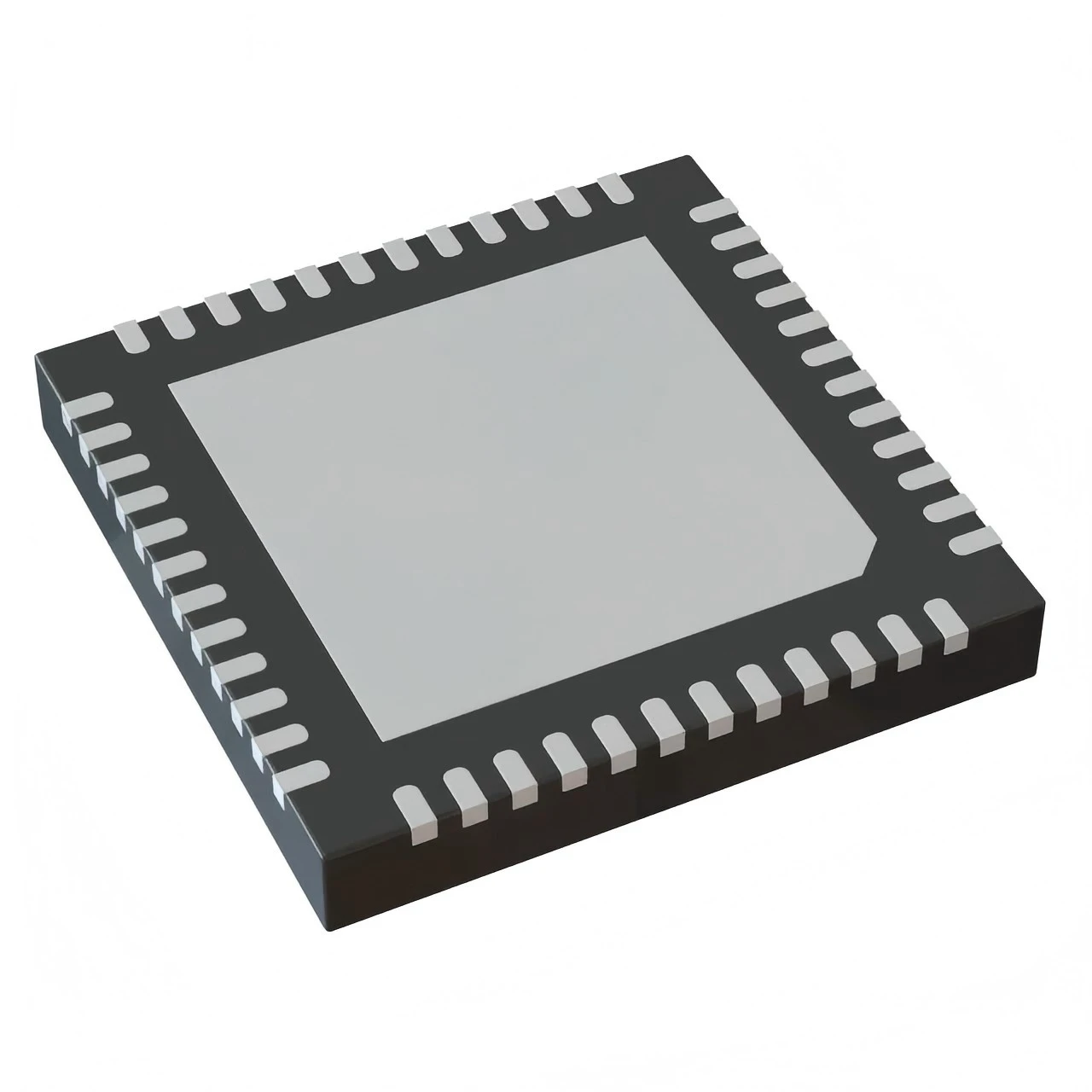
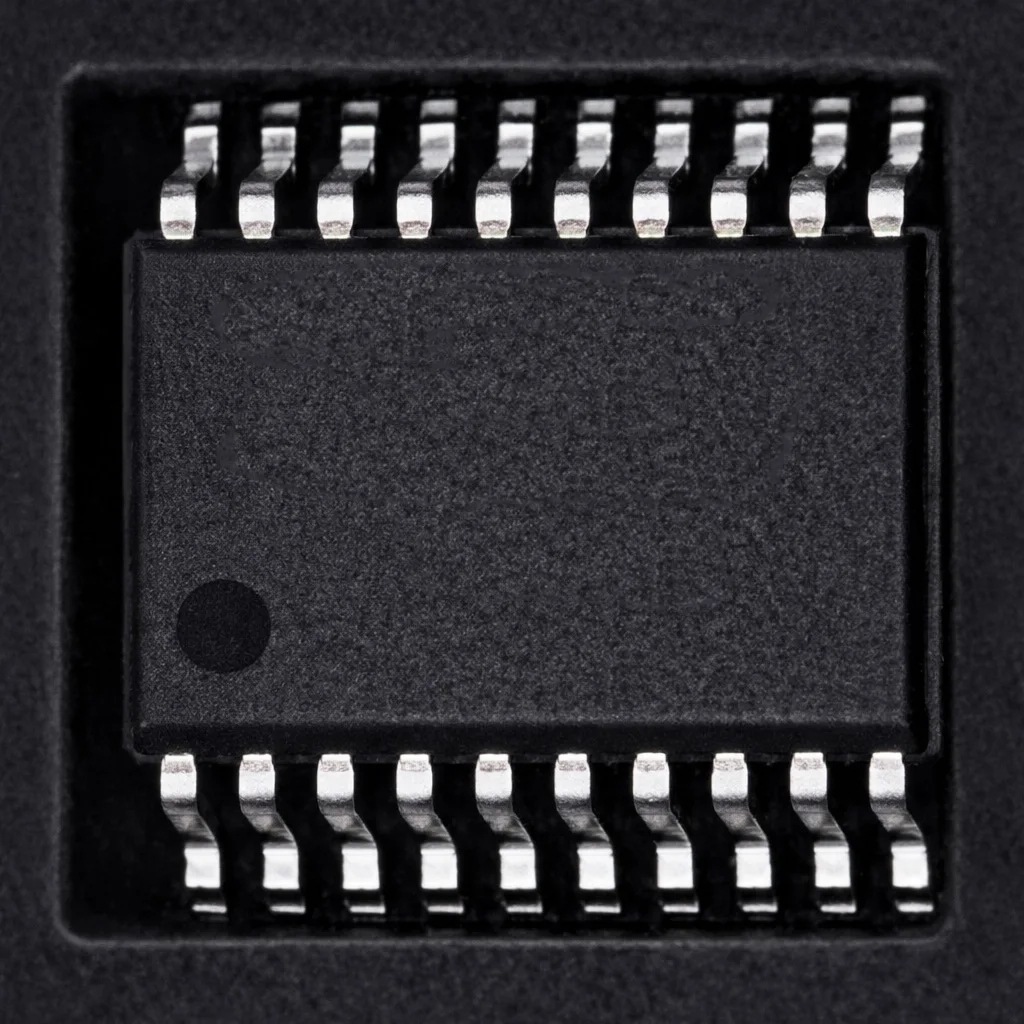
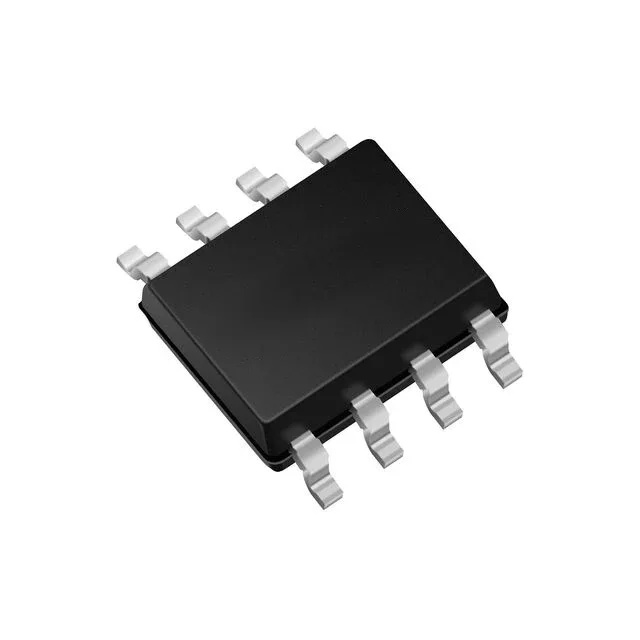
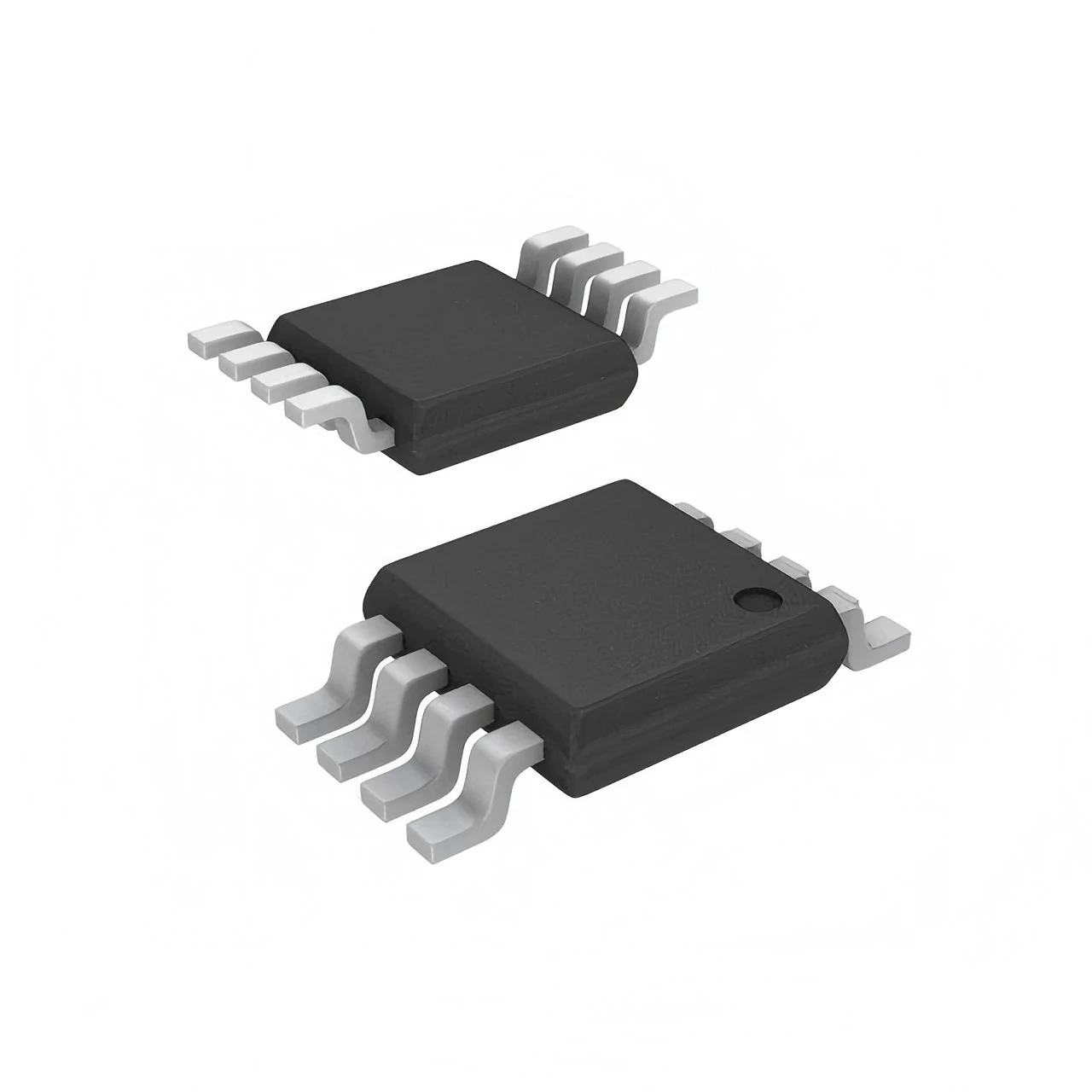
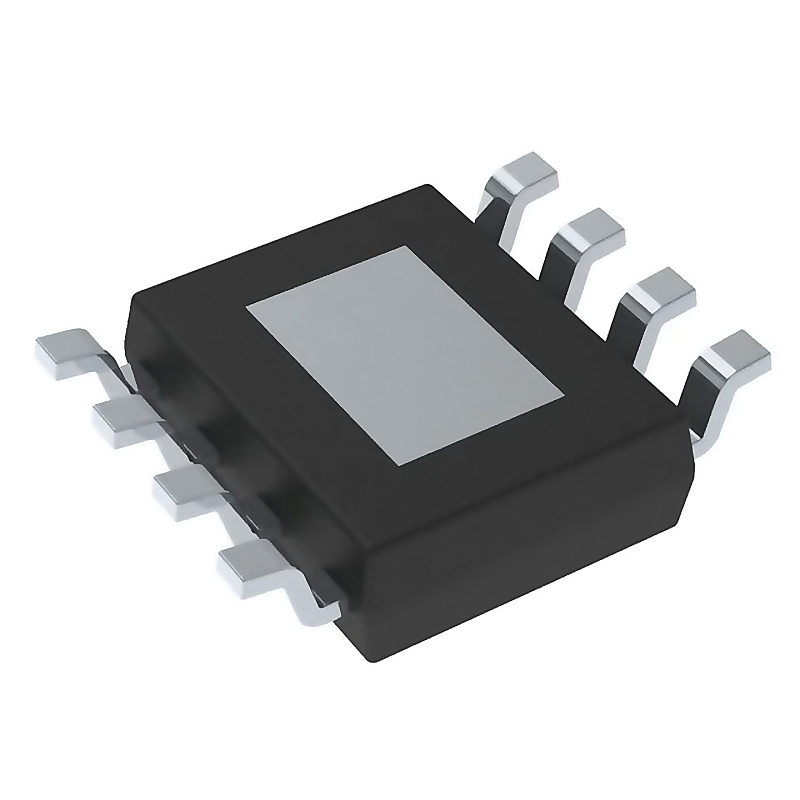
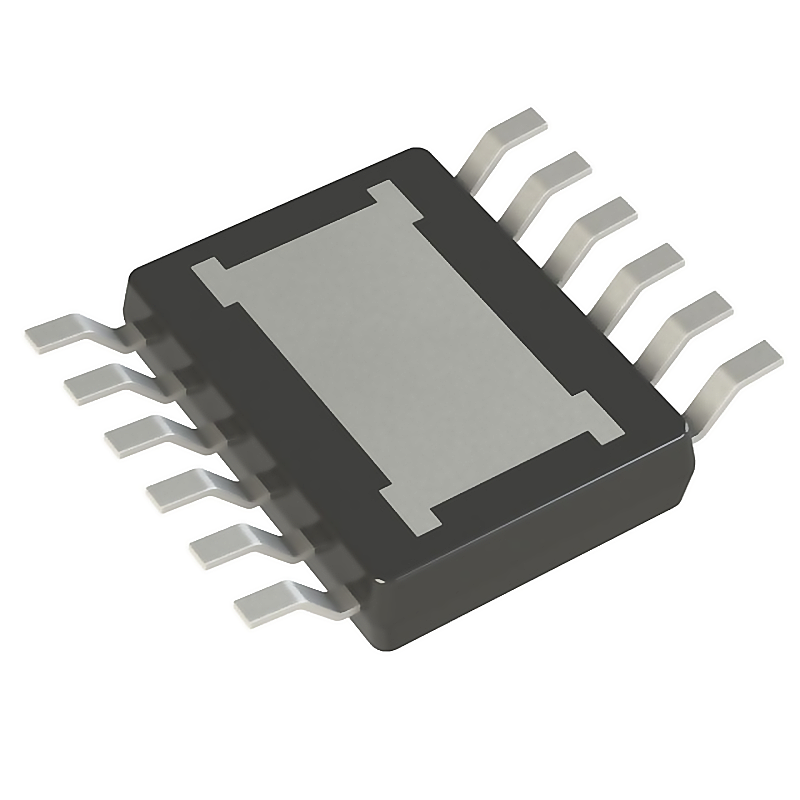
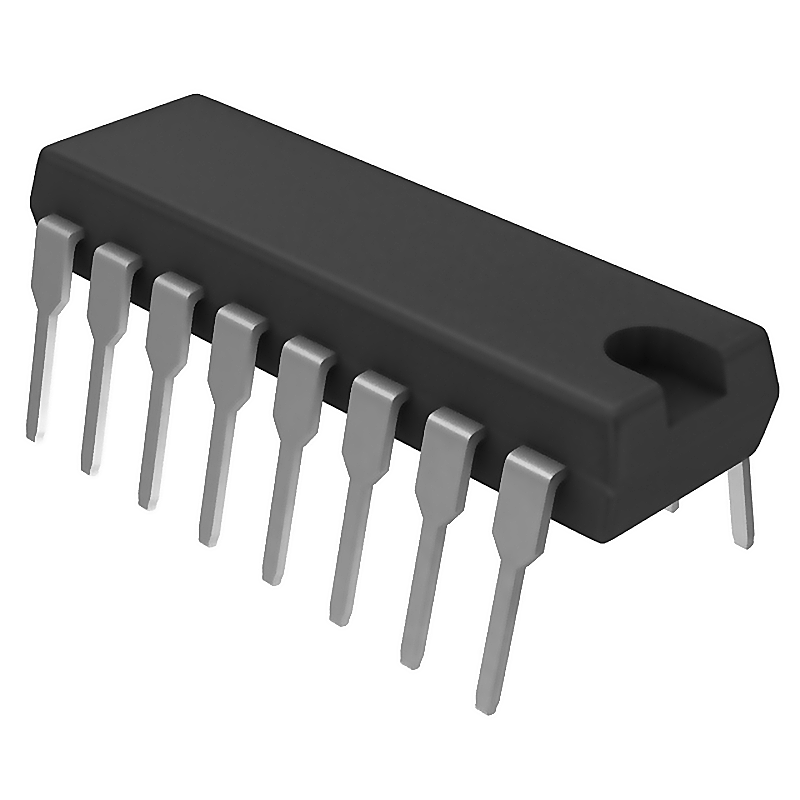
An automotive pmic, or power management integrated circuit, serves as the essential electronic component that regulates and distributes electrical power throughout modern vehicles. This sophisticated device manages multiple voltage rails simultaneously, converting battery power into the precise voltages required by various automotive systems. The automotive pmic handles power delivery to infotainment systems, advanced driver assistance systems, electronic control units, sensors, and communication modules. Designed specifically for the demanding automotive environment, this integrated circuit withstands extreme temperatures ranging from minus forty to one hundred fifty degrees Celsius, resists vibration and shock, and maintains reliable operation throughout the vehicle's lifespan. The automotive pmic incorporates advanced technological features including multi-phase buck converters, low-dropout regulators, gate drivers, and sophisticated monitoring capabilities. These circuits provide thermal management, overvoltage protection, undervoltage lockout, and current limiting to safeguard connected components. Modern automotive pmic designs integrate digital control interfaces such as I2C and SPI, enabling real-time configuration and diagnostic feedback. Applications span across electric vehicles, hybrid powertrains, autonomous driving platforms, connected car systems, and traditional internal combustion engine vehicles. As vehicles become increasingly electrified and digitalized, the automotive pmic plays a critical role in enabling energy efficiency, reducing electromagnetic interference, minimizing board space, and ensuring functional safety compliance with ISO 26262 standards. This power management solution addresses the automotive industry's growing need for compact, efficient, and reliable power distribution in next-generation vehicle architectures.
The automotive pmic delivers substantial cost savings by integrating multiple discrete power components into a single chip, reducing bill-of-materials expenses and simplifying procurement processes. This integration minimizes printed circuit board area requirements, allowing manufacturers to design smaller electronic control modules and allocate valuable space to additional features. Vehicle manufacturers benefit from improved fuel efficiency and extended battery range in electric vehicles, as the automotive pmic optimizes power conversion efficiency, typically achieving ninety to ninety-five percent efficiency across various operating conditions. The reduced heat generation from efficient power conversion decreases cooling requirements, further lowering system costs and improving reliability. Operational benefits include enhanced system reliability through built-in protection mechanisms that prevent component damage from electrical faults, ensuring consistent vehicle performance and reducing warranty claims. The automotive pmic enables faster time-to-market for new vehicle models through standardized power architectures and simplified design processes. Engineers appreciate the diagnostic capabilities that provide real-time visibility into power system health, facilitating predictive maintenance and reducing unexpected failures. The automotive pmic suits applications requiring stringent quality standards, having undergone rigorous automotive qualification testing including AEC-Q100 certification. Decision-makers value the scalability these solutions offer, allowing single power management platforms to serve multiple vehicle models and trim levels through software configuration. The automotive pmic supports evolving vehicle electrification strategies, accommodating twelve-volt, twenty-four-volt, and forty-eight-volt power architectures within compatible designs. Safety-critical applications benefit from functional safety features that meet ASIL-B and ASIL-D requirements, ensuring compliance with international automotive safety standards while protecting occupants and vehicle systems.

Tips And Tricks

Why Shielded Connectors are Critical for Industrial Robotics: Overcoming EMI in High-Speed Automation

12

Jun

Why Shielded Connectors are Critical for Industrial Robotics: Overcoming EMI in High-Speed Automation

Struggling with robotic jitter or ghost failures? Shielded connectors eliminate EMI-induced signal errors in high-speed automation. Boost uptime, precision & compliance—get the engineering guide.
View More
What advantages do ic solutions provide for embedded electronic system development?

12

Jun

What advantages do ic solutions provide for embedded electronic system development?

Discover how IC solutions boost flexibility, performance, reliability & cost efficiency in embedded development. Avoid redesigns—optimize your next system now.
View More
Can ic solutions support customized applications for smart device manufacturing?

12

Jun

Can ic solutions support customized applications for smart device manufacturing?

Can IC solutions support custom smart device apps? Yes — discover how FPGAs accelerate prototyping & ASICs optimize high-volume production. Get expert sourcing criteria now.
View More
Why are ic solutions essential for modern power and control systems?

12

Jun

Why are ic solutions essential for modern power and control systems?

Discover how IC solutions deliver precise voltage regulation, energy efficiency, and intelligent control to improve system reliability and ROI.
View More
Advanced Multi-Rail Power Management

Advanced Multi-Rail Power Management

The automotive pmic excels at managing multiple independent voltage rails simultaneously, providing precise power delivery to diverse automotive systems within a single integrated solution. This capability eliminates the complexity of coordinating separate power modules while ensuring each connected system receives stable, clean power regardless of load variations. Modern implementations support six to twelve independent output channels, each configurable for specific voltage requirements ranging from one volt to eighteen volts. The sequencing capabilities allow engineers to program precise power-up and power-down sequences, preventing electrical conflicts and ensuring proper system initialization. Dynamic voltage scaling adjusts output voltages in real-time based on processor workload demands, maximizing energy efficiency during light-load conditions. The integrated monitoring continuously tracks output voltages, currents, and temperatures, providing immediate feedback through digital interfaces. This comprehensive power management approach reduces design complexity, improves system reliability, and enables automotive manufacturers to create flexible electrical architectures that adapt to changing requirements throughout the vehicle development cycle.
Automotive-Grade Reliability and Safety

Automotive-Grade Reliability and Safety

Every automotive pmic undergoes extensive qualification testing to meet the automotive industry's demanding reliability requirements, ensuring dependable operation throughout temperature extremes, vibration, humidity, and electrical stress conditions. AEC-Q100 qualification validates the component's ability to survive accelerated aging tests equivalent to fifteen years of typical automotive use. The automotive pmic incorporates multiple layers of protection including overcurrent shutdown, thermal shutdown, overvoltage protection, and undervoltage lockout to safeguard both the power management circuit itself and connected downstream components. Functional safety features designed into safety-compliant automotive pmic variants enable system architects to achieve ASIL-B and ASIL-D safety integrity levels required for critical automotive functions. Built-in diagnostic capabilities continuously monitor system health, detecting fault conditions and providing detailed status reporting through standardized communication interfaces. The robust electromagnetic compatibility design minimizes conducted and radiated emissions while maintaining immunity to electrical disturbances common in automotive environments. This comprehensive approach to reliability and safety gives automotive manufacturers confidence that power systems will perform consistently throughout the vehicle's operational life, reducing field failures and enhancing brand reputation.
Compact Integration and Thermal Efficiency

Compact Integration and Thermal Efficiency

The automotive pmic revolutionizes power system design by integrating power switches, control logic, protection circuits, and communication interfaces into compact semiconductor packages measuring as small as five millimeters square. This dramatic miniaturization enables automotive designers to create slim electronic control units that fit into space-constrained vehicle locations while delivering robust power management performance. Advanced packaging technologies including flip-chip and wafer-level chip-scale packages improve thermal performance by reducing thermal resistance between the silicon die and the heat-dissipating substrate. The high power conversion efficiency inherent in modern automotive pmic designs minimizes wasted energy converted to heat, reducing cooling requirements and enabling higher power density solutions. Integrated thermal management features including temperature sensors and adaptive thermal limiting prevent overheating while maintaining maximum performance within safe operating temperatures. The reduced component count eliminates numerous discrete components, solder joints, and interconnections that traditionally represent potential failure points, improving overall system reliability. Automotive manufacturers benefit from simplified assembly processes, reduced manufacturing costs, and improved production yields when implementing automotive pmic solutions compared to traditional discrete power management approaches using multiple separate components distributed across the printed circuit board.