Power Management IC PMIC Solutions & Technology

Your Trusted Partner in Electronics Supply Chain. Inquire Now!

Explore Our Latest Smart Electronics Collection.

, , 
Inquiry
Inquiry

power management ic pmic

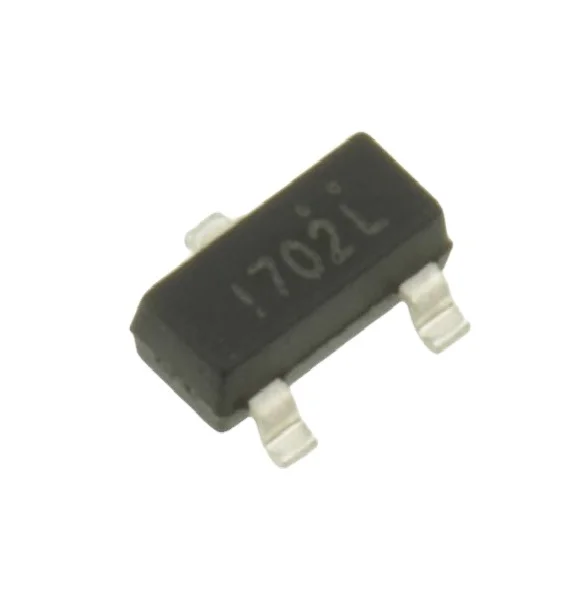
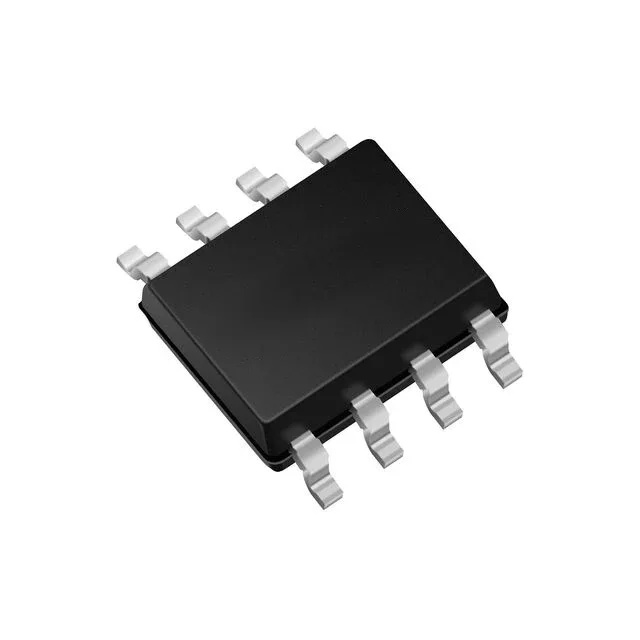
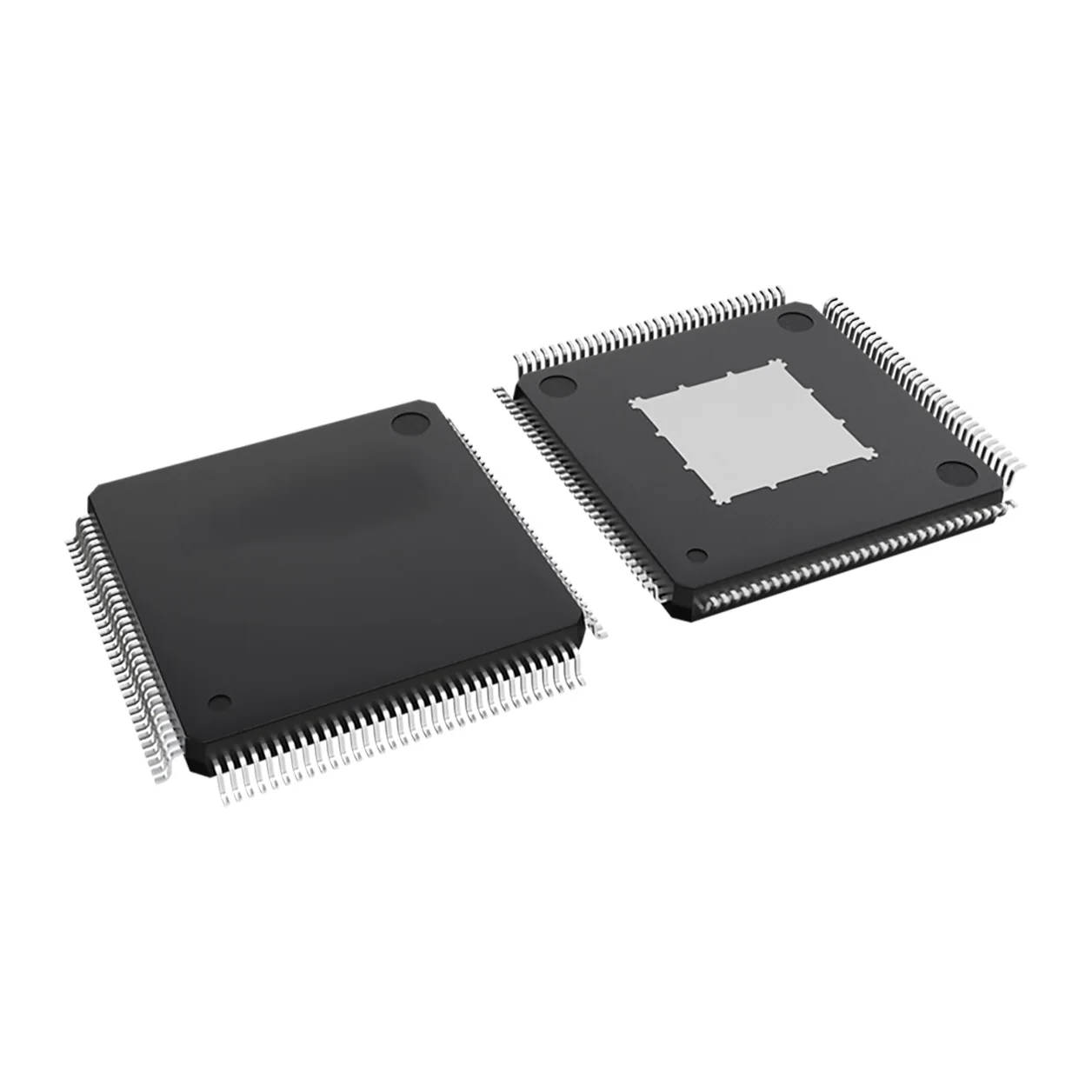
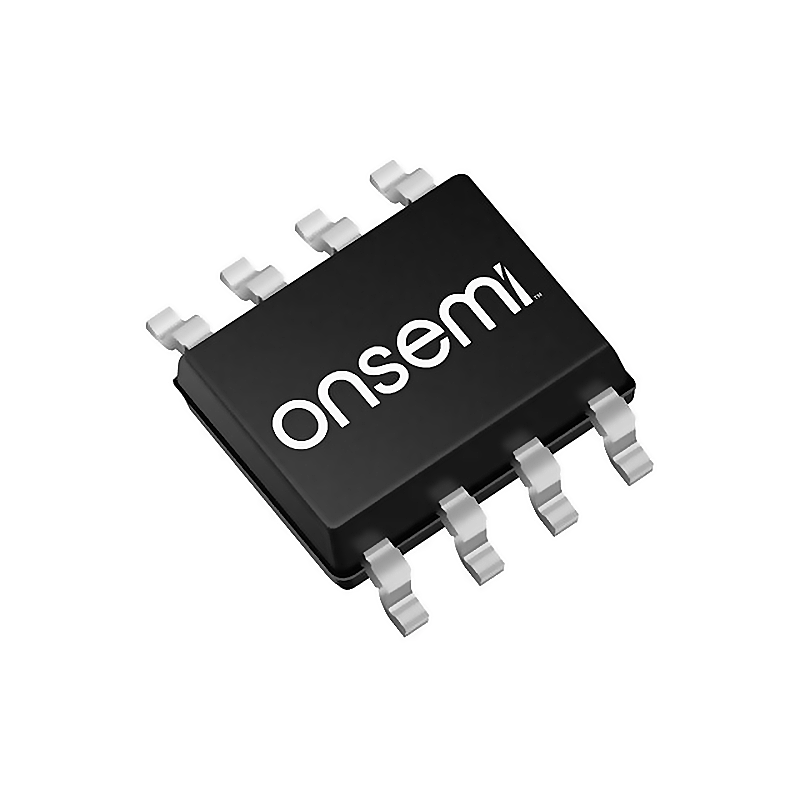
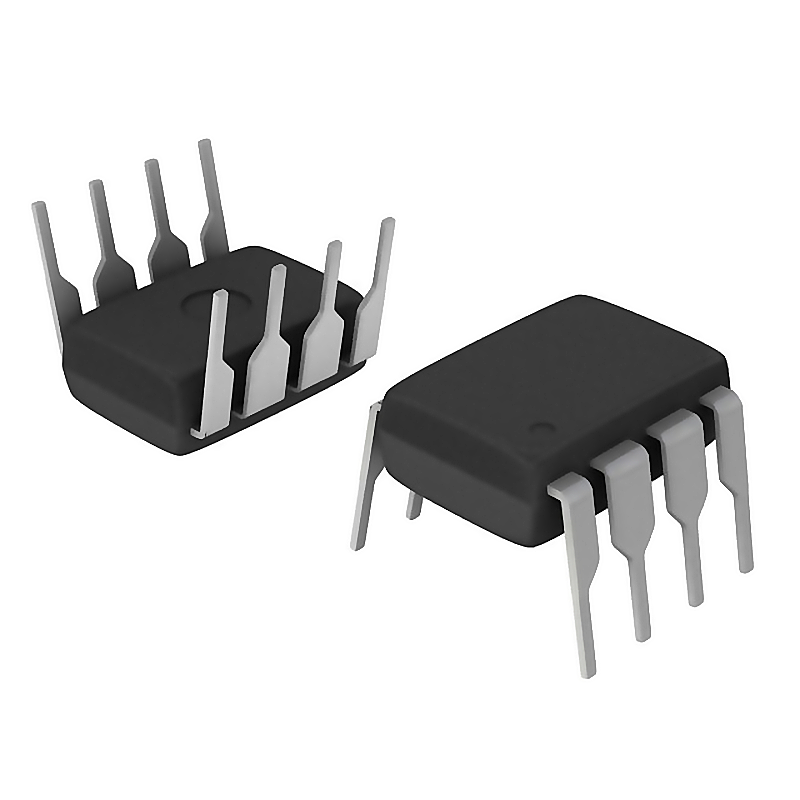
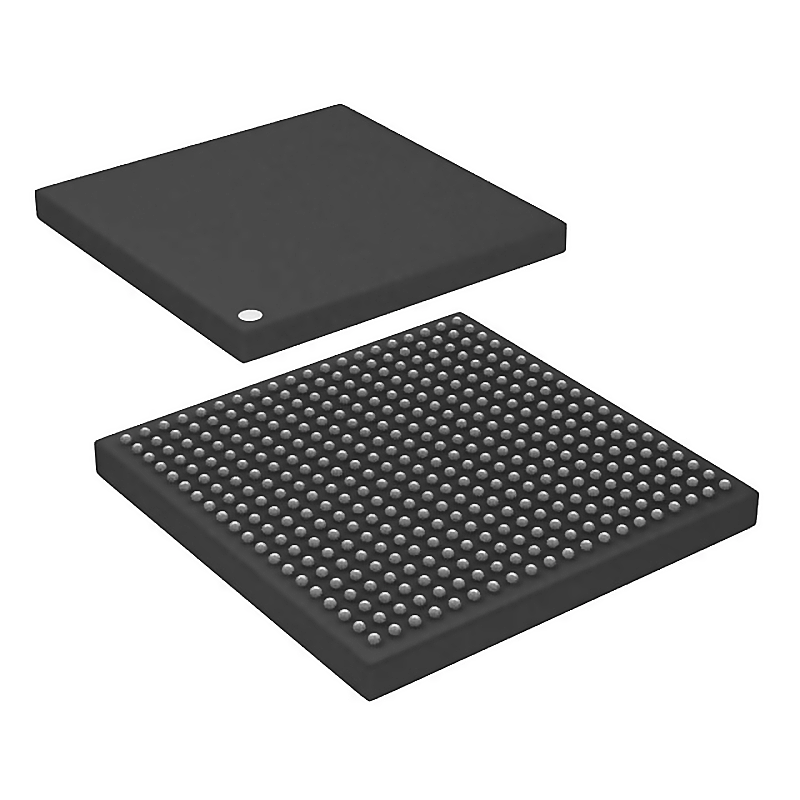
A power management ic pmic serves as the central control unit for managing electrical power distribution and conversion in modern electronic devices. This integrated circuit regulates voltage levels, manages battery charging, and optimizes energy consumption across multiple system components. The power management ic pmic consolidates various power-related functions into a single chip, including DC-DC conversion, low-dropout regulation, battery management, and power sequencing. Advanced technological features enable these circuits to deliver high efficiency power conversion, typically exceeding 90 percent efficiency in many applications. The power management ic pmic incorporates multiple voltage rails, allowing simultaneous management of different power domains within a device. Smart power management capabilities include dynamic voltage scaling, thermal monitoring, and fault protection mechanisms that safeguard sensitive electronics from overvoltage, overcurrent, and overheating conditions. Applications span across smartphones, tablets, wearable devices, IoT sensors, industrial equipment, automotive systems, and medical devices. The power management ic pmic enables manufacturers to extend battery life, reduce heat generation, and minimize board space requirements. Modern designs integrate communication interfaces such as I2C or SPI for programmable control and real-time monitoring. These circuits support various input sources including USB, wireless charging, and AC adapters, while managing multiple output voltages required by processors, memory, displays, and wireless modules. The power management ic pmic represents essential technology for any battery-powered or energy-conscious electronic system.
Implementing a power management ic pmic delivers substantial cost savings by consolidating multiple discrete components into one integrated solution, reducing bill-of-materials expenses and assembly complexity. Manufacturers benefit from smaller PCB footprints as the power management ic pmic replaces numerous individual voltage regulators, supervisors, and protection circuits, freeing valuable board space for additional features or enabling more compact product designs. Energy efficiency improvements directly translate to longer battery runtime in portable devices, reducing charging frequency and enhancing user satisfaction. The power management ic pmic enables superior thermal performance through intelligent heat distribution and efficiency optimization, preventing hotspots that could damage sensitive components or reduce device lifespan. Operational reliability increases significantly as these integrated circuits undergo rigorous testing and incorporate built-in protection features that prevent common failure modes such as short circuits, reverse polarity, and thermal runaway. Development time accelerates because the power management ic pmic arrives with comprehensive reference designs, evaluation boards, and software tools that simplify integration and reduce engineering iterations. Product differentiation becomes achievable through programmable features that allow customization of power profiles, sequencing, and monitoring without hardware redesigns. Supply chain management simplifies when sourcing one power management ic pmic instead of coordinating multiple component suppliers, reducing inventory complexity and potential shortage risks. The power management ic pmic suits diverse applications from ultra-low-power wearables drawing microamps to high-performance computing platforms requiring tens of amperes, offering scalable solutions that match specific power budgets and performance requirements. Future-proofing becomes practical as software-configurable power management ic pmic designs adapt to evolving specifications without requiring new silicon, protecting development investments and extending product lifecycles while maintaining competitive advantages in rapidly changing markets.

Latest News

How does a mosfet transistor improve efficiency in industrial power systems?

12

Jun

How does a mosfet transistor improve efficiency in industrial power systems?

View More
How do ic solutions improve integration in automotive and industrial electronics?

12

Jun

How do ic solutions improve integration in automotive and industrial electronics?

View More
Can a power management ic reduce heat generation in industrial systems?

12

Jun

Can a power management ic reduce heat generation in industrial systems?

View More
Advanced Multi-Rail Voltage Regulation

Advanced Multi-Rail Voltage Regulation

The power management ic pmic excels at simultaneously managing multiple independent voltage rails with precision regulation, essential for modern electronics containing diverse components with different power requirements. Each integrated voltage regulator maintains tight output accuracy, typically within 1-2 percent tolerance across varying load conditions and input voltage fluctuations. This multi-rail architecture allows the power management ic pmic to efficiently power processors at 1.0V, memory at 1.8V, peripheral circuits at 3.3V, and other subsystems simultaneously from a single input source. Advanced load switching capabilities enable selective power delivery, allowing the system to completely shut down unused circuits to eliminate standby power consumption. Dynamic voltage and frequency scaling features allow the power management ic pmic to adjust output voltages in real-time based on processing demands, reducing power consumption during light workloads while providing full performance when needed. Integrated current limiting and soft-start functions protect downstream components during power-up sequences, preventing inrush current damage. The power management ic pmic coordinates power sequencing automatically, ensuring proper voltage ramp timing to meet strict requirements of sensitive digital chips, preventing latch-up conditions and ensuring reliable system initialization every time.
Intelligent Battery Management Systems

Intelligent Battery Management Systems

Battery management represents a critical function where the power management ic pmic demonstrates exceptional value through comprehensive charging, monitoring, and protection capabilities. Sophisticated charging algorithms support various battery chemistries including lithium-ion, lithium-polymer, and emerging technologies, automatically adapting charge profiles to maximize battery lifespan while minimizing charge time. The power management ic pmic continuously monitors battery voltage, current, and temperature, implementing multi-stage charging that transitions from constant-current to constant-voltage phases with precision timing. Fuel gauge integration provides accurate state-of-charge estimation using coulomb counting and voltage-based algorithms, giving users reliable battery status information. Advanced safety features protect against overcharge, over-discharge, overcurrent, and thermal events that could damage batteries or create safety hazards. The power management ic pmic manages seamless switching between battery power and external sources, implementing priority logic that optimizes power path routing. Load disconnect features allow the power management ic pmic to completely isolate the battery during shipping or storage, preventing parasitic drain that depletes batteries before customer use. Temperature-compensated charging adjusts parameters based on ambient conditions, ensuring optimal charging across wide environmental ranges while preventing damage from temperature extremes that reduce battery performance and longevity.
Comprehensive System Protection and Monitoring

Comprehensive System Protection and Monitoring

The power management ic pmic provides essential protection mechanisms that safeguard entire electronic systems from electrical faults and operational anomalies. Overvoltage protection circuits instantly respond to input voltage spikes, clamping or shutting down before excessive voltage reaches sensitive downstream components. Undervoltage lockout prevents operation during brownout conditions when input voltage drops below safe thresholds, avoiding unpredictable behavior or data corruption. Overcurrent protection limits maximum output current for each rail, preventing damage from short circuits or component failures while allowing normal peak current demands. Thermal monitoring with integrated temperature sensors tracks die temperature, implementing thermal shutdown when safe limits are exceeded and providing early warning through programmable temperature thresholds. The power management ic pmic communicates system status through interrupt signals and digital interfaces, enabling host processors to implement intelligent power management strategies based on real-time conditions. Built-in diagnostics report fault conditions, voltage measurements, and operational status, facilitating troubleshooting during development and field service. Power-good signals indicate when output voltages have reached regulation and stabilized, allowing controlled system initialization. These comprehensive monitoring and protection features make the power management ic pmic indispensable for applications requiring high reliability, safety certification, or operation in harsh environments where electrical disturbances are common.