PMIC Solutions: Advanced Power Management Systems

Your Trusted Partner in Electronics Supply Chain. Inquire Now!

Explore Our Latest Smart Electronics Collection.

, , 
Inquiry
Inquiry

pmic solutions

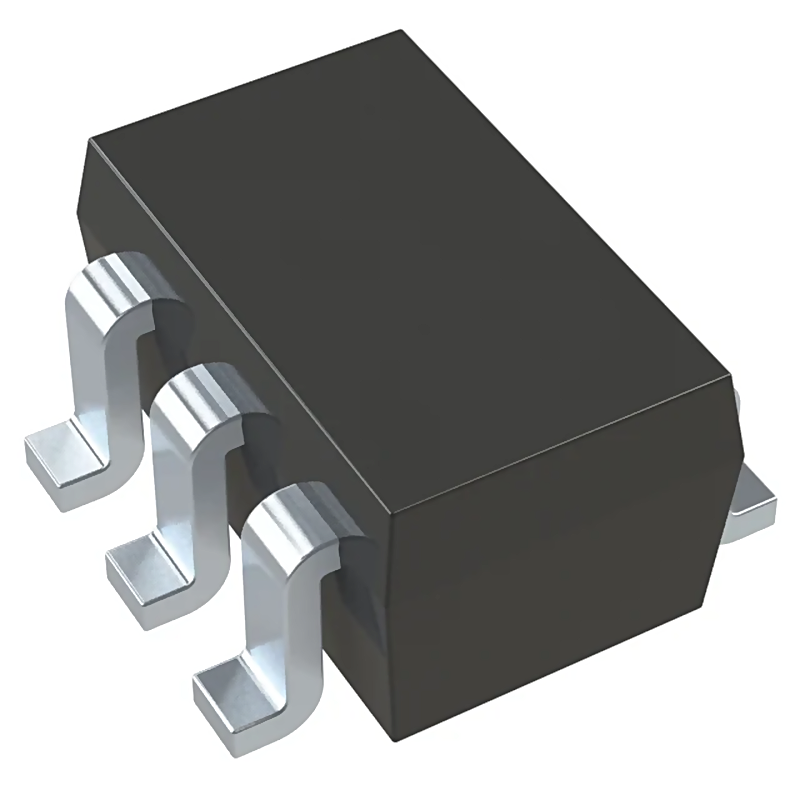
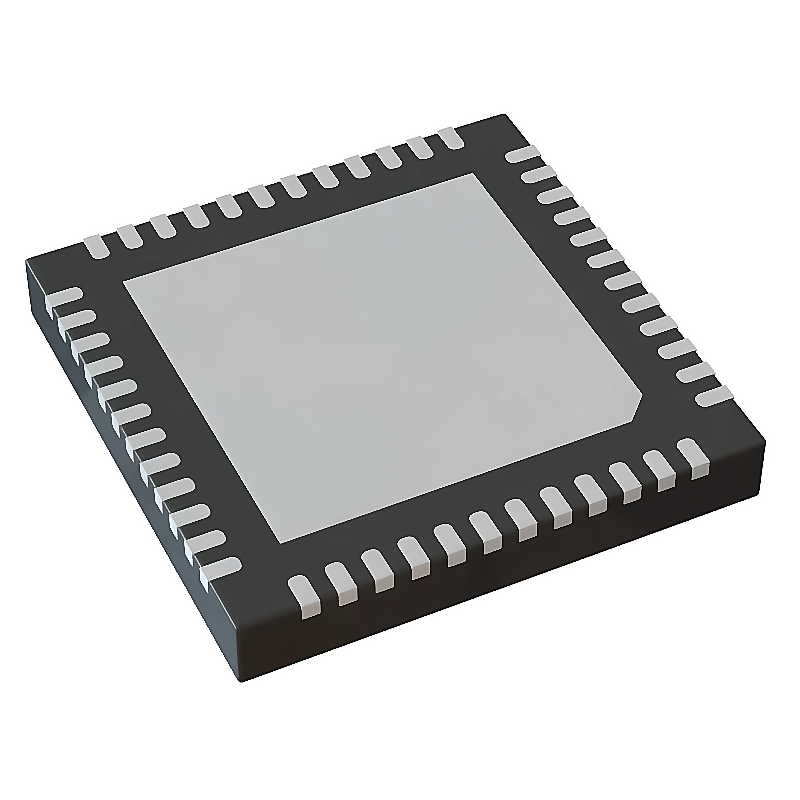
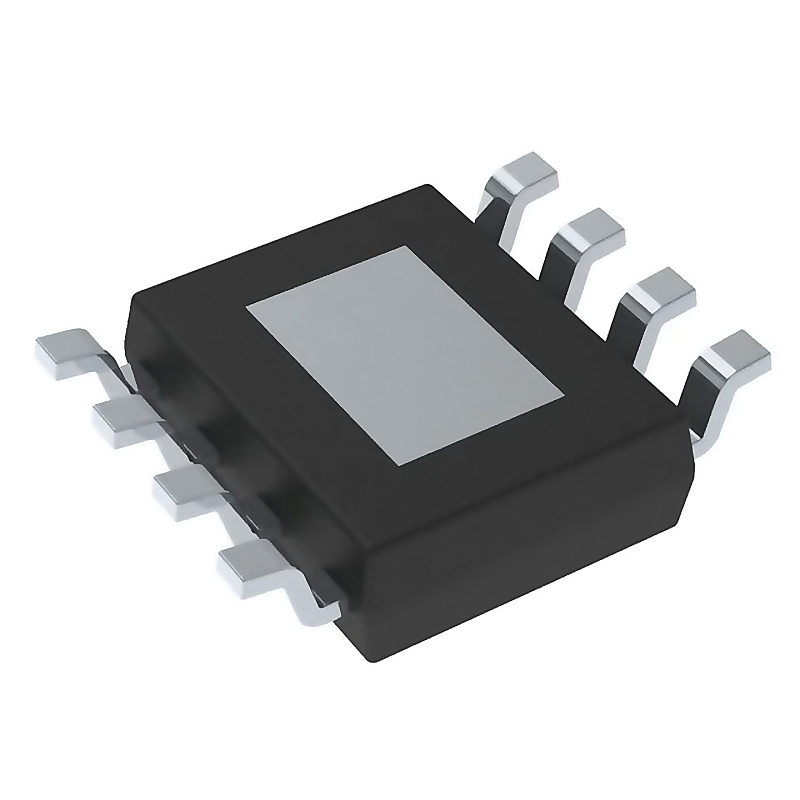
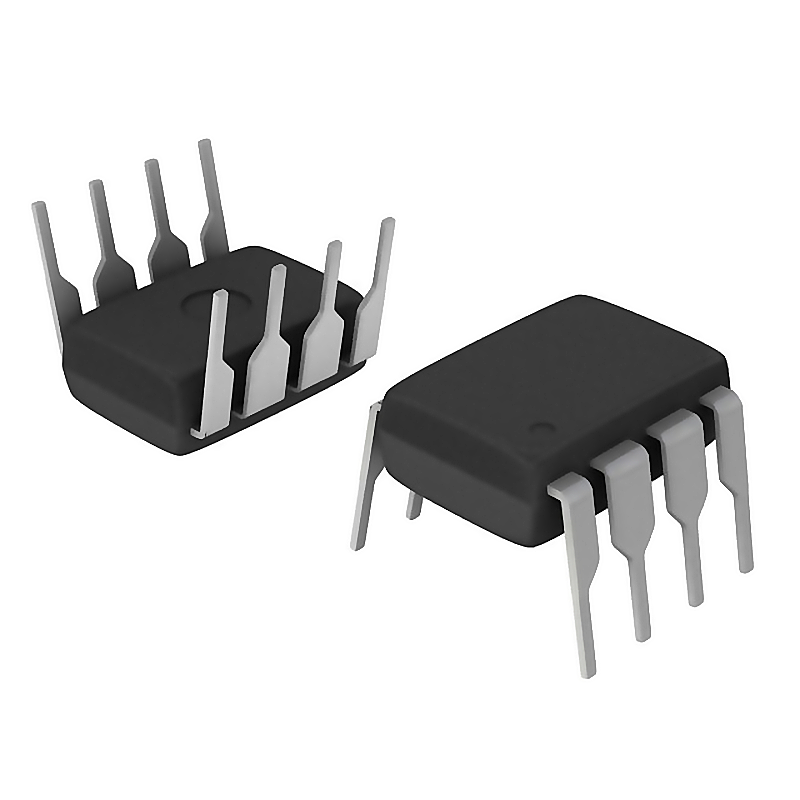
Power Management Integrated Circuit (PMIC) solutions represent sophisticated semiconductor devices designed to manage and distribute electrical power efficiently across electronic systems. These integrated circuits consolidate multiple power management functions into a single chip, including voltage regulation, battery charging, power sequencing, and thermal management. Modern PMIC solutions serve as the central nervous system for power delivery in devices ranging from smartphones and tablets to industrial equipment and automotive systems. They incorporate advanced technologies such as DC-DC converters, low-dropout regulators, and intelligent monitoring circuits that optimize energy consumption while maintaining stable voltage levels. The primary functions of PMIC solutions include converting input voltage to various output levels required by different components, managing battery charging cycles with precision, protecting circuits from overcurrent and overvoltage conditions, and enabling dynamic power scaling based on operational demands. These solutions feature programmable configurations that allow designers to customize power delivery according to specific application requirements. With the increasing complexity of electronic devices and growing emphasis on energy efficiency, PMIC solutions have become indispensable components that directly impact device performance, battery life, and overall system reliability. Their technological sophistication encompasses real-time monitoring capabilities, communication interfaces for system integration, and advanced algorithms that balance performance with power conservation across diverse applications.
Implementing PMIC solutions delivers substantial operational benefits that translate into tangible value for product developers and end users alike. These integrated circuits significantly reduce board space requirements by combining multiple discrete power management components into a single package, enabling more compact device designs and freeing valuable real estate for additional features. The consolidation approach also streamlines supply chain management and reduces component procurement costs. From a performance perspective, PMIC solutions deliver superior power efficiency compared to discrete implementations, with conversion efficiencies often exceeding 95 percent, which directly extends battery runtime in portable devices and reduces heat generation in all applications. This efficiency advantage lowers operating costs in industrial settings and enhances user satisfaction in consumer products. The intelligent power management capabilities built into modern PMIC solutions enable dynamic voltage scaling and adaptive power delivery that responds instantly to changing load conditions, optimizing energy consumption without compromising performance. For engineers, these solutions accelerate time-to-market through simplified design processes, as manufacturers provide comprehensive development tools, reference designs, and technical support that reduce engineering complexity. The built-in protection features safeguard expensive downstream components from electrical faults, reducing warranty claims and improving product reliability. PMIC solutions also excel in application versatility, with configurable options suitable for battery-powered portable devices, always-on IoT sensors, high-performance computing systems, and harsh-environment industrial equipment. The decision to adopt PMIC solutions represents a strategic choice that balances immediate cost considerations against long-term benefits including enhanced product differentiation, improved energy efficiency ratings, and future-proof scalability as power requirements evolve.

Tips And Tricks

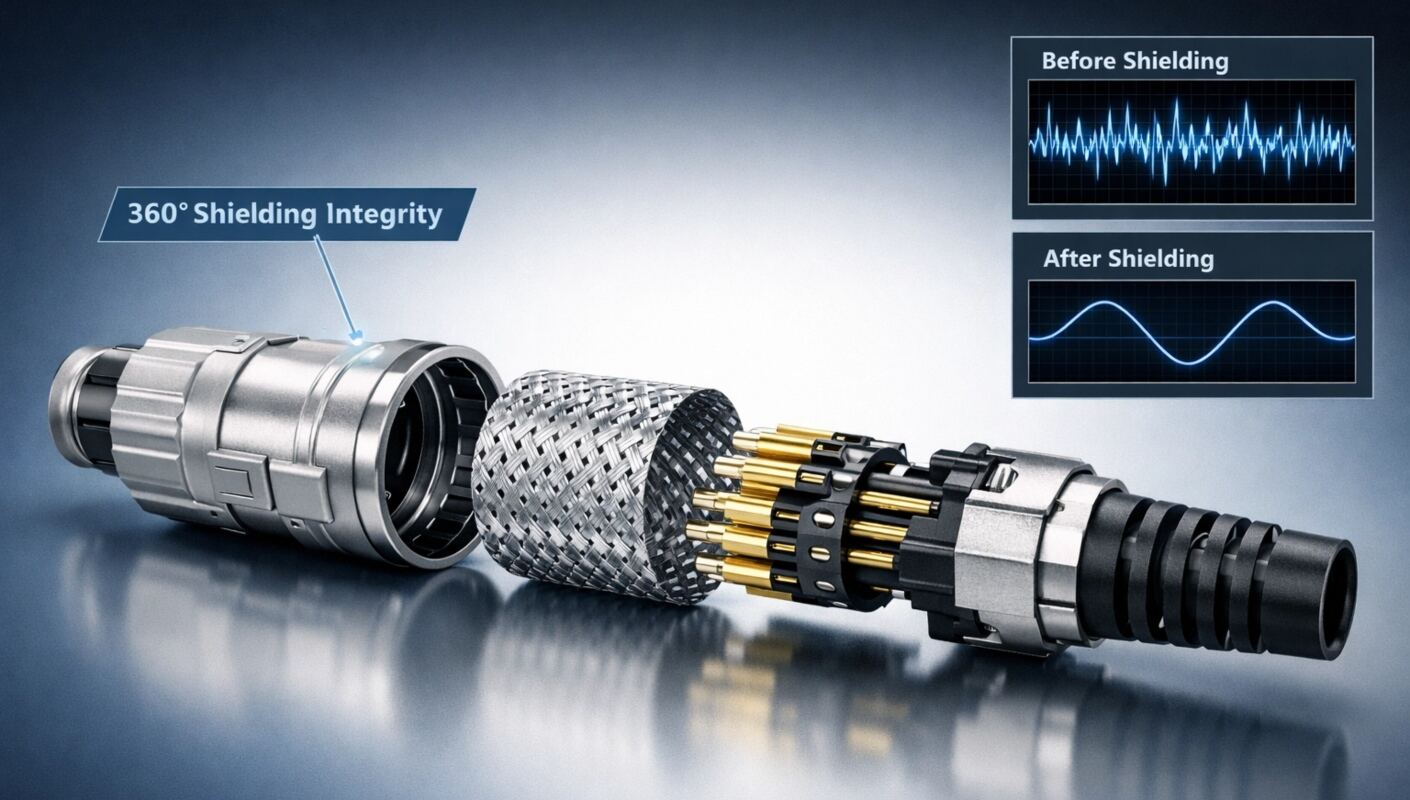
Why Shielded Connectors are Critical for Industrial Robotics: Overcoming EMI in High-Speed Automation

11

May

Why Shielded Connectors are Critical for Industrial Robotics: Overcoming EMI in High-Speed Automation

Struggling with robotic jitter, ghost failures, or positional drift? Shielded connectors eliminate EMI in high-speed automation—boost uptime & precision. Get the engineering guide.
View More
Strategic Hardware Design for High-Density Mobile Electronics: A Comprehensive Layout and Component Selection Guide

11

May

Strategic Hardware Design for High-Density Mobile Electronics: A Comprehensive Layout and Component Selection Guide

Struggling with signal integrity & power stability in ultra-compact laptops? This expert guide covers IC layout, passive component selection, ESD protection & embedded solutions. Optimize your next-gen design now.
View More
Is a dc contactor suitable for high-current switching in industrial systems?

12

Jun

Is a dc contactor suitable for high-current switching in industrial systems?

View More
Advanced Multi-Channel Power Delivery

Advanced Multi-Channel Power Delivery

Modern PMIC solutions excel in delivering simultaneous power to multiple system components through independent voltage rails, each precisely regulated to meet specific requirements. This multi-channel architecture enables a single integrated circuit to replace numerous discrete regulators, simplifying circuit design while improving overall system coordination. The technology incorporates sophisticated sequencing capabilities that ensure power rails activate in the correct order during startup and shutdown, preventing potential damage to sensitive components and eliminating the need for external sequencing circuits. Advanced PMIC solutions feature dynamic voltage and frequency scaling that adjusts power delivery in real-time based on processor workload and system demands, maximizing efficiency during light loads while ensuring adequate power during peak performance periods. The integration of multiple power paths within PMIC solutions also facilitates seamless transitions between different power sources, such as switching between battery power and external adapters without interruption. This comprehensive power delivery approach not only enhances system reliability but also provides designers with the flexibility to optimize performance and efficiency trade-offs across diverse operating conditions, making these solutions ideal for applications where power management complexity would otherwise require extensive discrete component networks.
Intelligent Thermal and Battery Management

Intelligent Thermal and Battery Management

PMIC solutions incorporate sophisticated thermal monitoring and battery management technologies that extend device lifespan and ensure safe operation across varying environmental conditions. The integrated thermal management systems continuously monitor junction temperatures and automatically adjust operating parameters to prevent overheating, implementing thermal throttling when necessary to protect both the PMIC itself and surrounding components. This proactive thermal regulation eliminates the need for external temperature sensors in many applications while providing critical data to system processors for informed decision-making. Battery management capabilities within PMIC solutions represent another significant advancement, featuring multi-stage charging algorithms that optimize charging speed while preserving battery health. These intelligent charging systems detect battery chemistry, capacity, and condition, then adapt charging profiles accordingly to maximize cycle life. Advanced coulomb counting and state-of-charge estimation provide accurate battery level reporting, while integrated safety features protect against overcharge, over-discharge, and thermal runaway conditions. The combination of thermal and battery management within unified PMIC solutions creates a comprehensive energy ecosystem that balances performance demands with longevity considerations, delivering exceptional value in portable devices where battery life directly influences user experience and product competitiveness.
Compact Integration and Design Efficiency

Compact Integration and Design Efficiency

The architectural integration achieved by PMIC solutions fundamentally transforms power supply design by consolidating functions that traditionally required multiple components spread across substantial board area. This miniaturization advantage proves particularly valuable in space-constrained applications such as wearable devices, smartphones, and compact IoT modules where every square millimeter carries premium value. Beyond physical size reduction, PMIC solutions simplify routing complexity by minimizing the number of power traces and reducing electromagnetic interference through optimized internal layouts and integrated filtering. The design efficiency extends to the development process itself, as PMIC manufacturers provide comprehensive evaluation boards, simulation models, and design calculators that accelerate prototyping and reduce engineering iterations. Many PMIC solutions feature programmable configurations accessible through standard digital interfaces, enabling a single hardware design to serve multiple product variants through software customization rather than board redesigns. This flexibility reduces inventory complexity and shortens product development cycles significantly. The integration approach also improves reliability by reducing solder joints and interconnections that represent potential failure points, while manufacturer testing and characterization of the complete integrated solution provides greater confidence than individually qualified discrete components. For organizations balancing innovation speed with resource constraints, PMIC solutions deliver an optimal combination of technical performance, design simplification, and accelerated market entry.