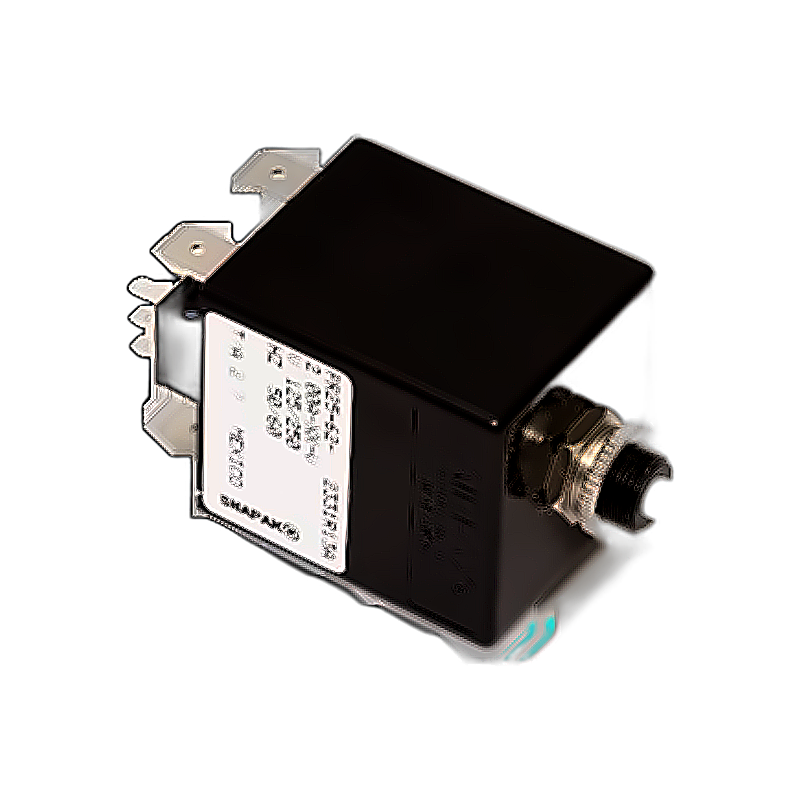
current fuse
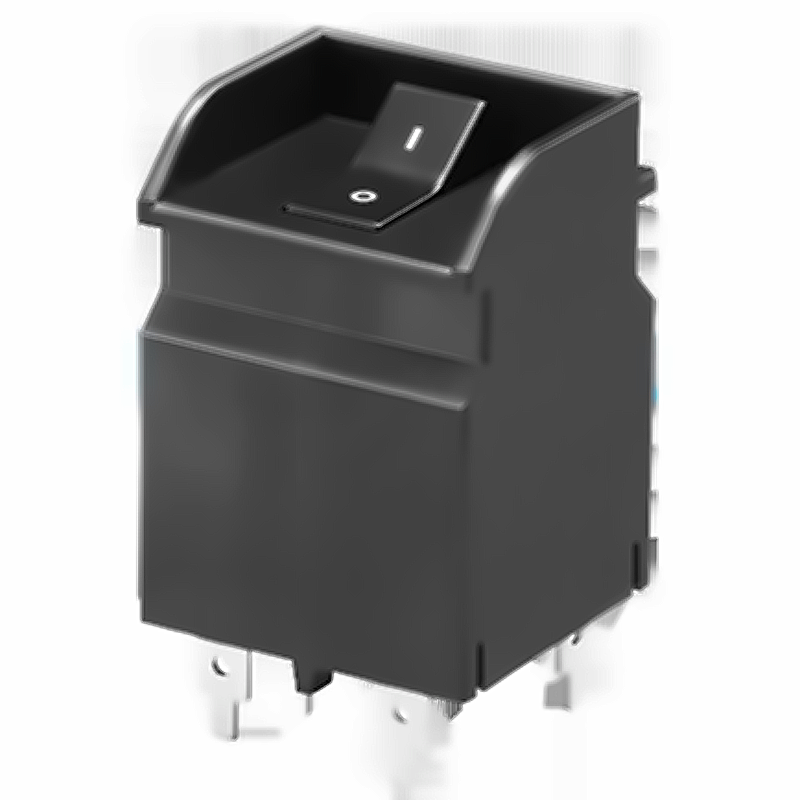
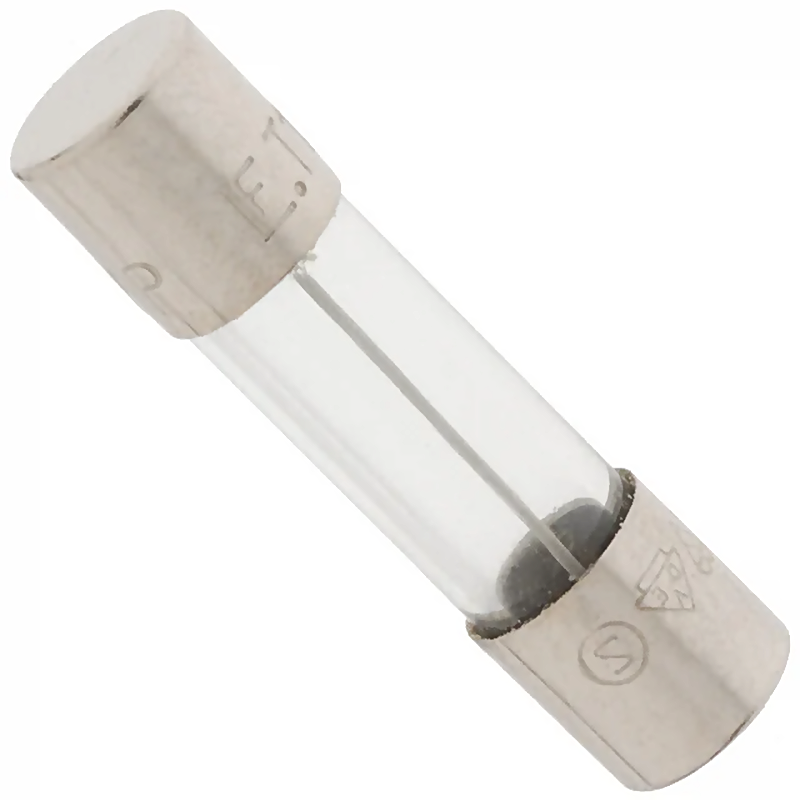
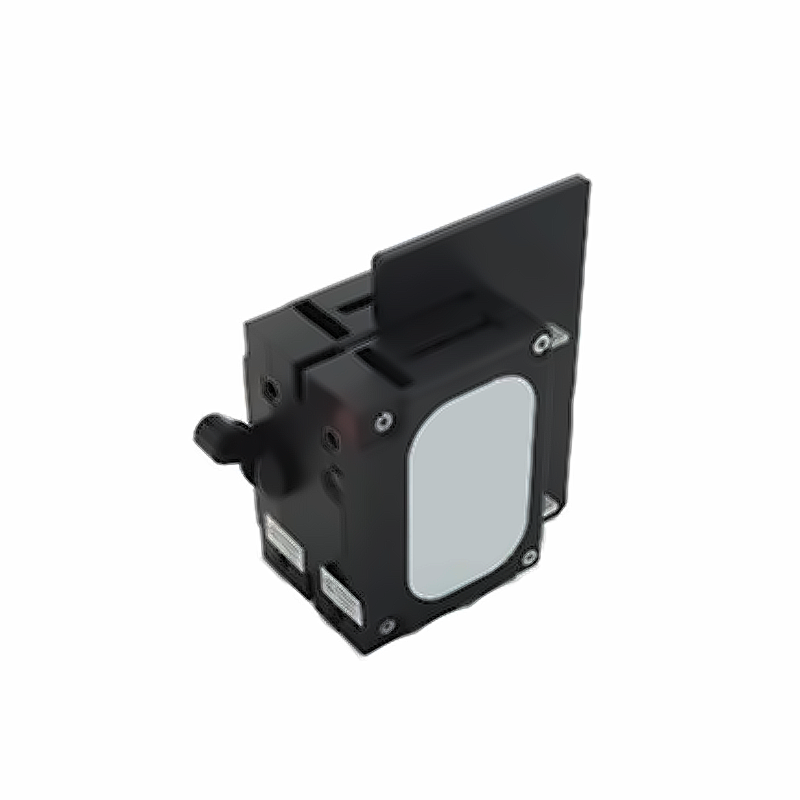
A current fuse is an essential electrical safety device designed to protect circuits and equipment from damage caused by excessive current flow. This protective component works by interrupting the electrical path when current levels exceed predetermined safe thresholds, preventing potential hazards such as equipment failure, fires, or electrical shocks. The current fuse contains a metal wire or strip that melts when exposed to current beyond its rated capacity, effectively breaking the circuit and stopping electricity flow. Modern current fuse technology incorporates precision-engineered materials and calibrated designs to ensure accurate response times and reliable performance across various electrical applications. These devices are manufactured in numerous configurations, including blade-style, cartridge, glass tube, and surface-mount versions, each suited to specific voltage and amperage requirements. The current fuse operates on fundamental electrical principles, providing a fail-safe mechanism that activates automatically without requiring manual intervention or external power sources. Available in fast-acting and time-delay variants, these protective devices accommodate different load characteristics and inrush current scenarios. Industries worldwide rely on current fuse technology to safeguard sensitive electronics, industrial machinery, automotive systems, renewable energy installations, and residential electrical panels. The simplicity, reliability, and cost-effectiveness of the current fuse make it an indispensable component in electrical safety standards and regulatory compliance across global markets.