Fuse in Electric Circuit: Guide & Benefits

Your Trusted Partner in Electronics Supply Chain. Inquire Now!

Explore Our Latest Smart Electronics Collection.

, , 
Inquiry
Inquiry

fuse in electric circuit

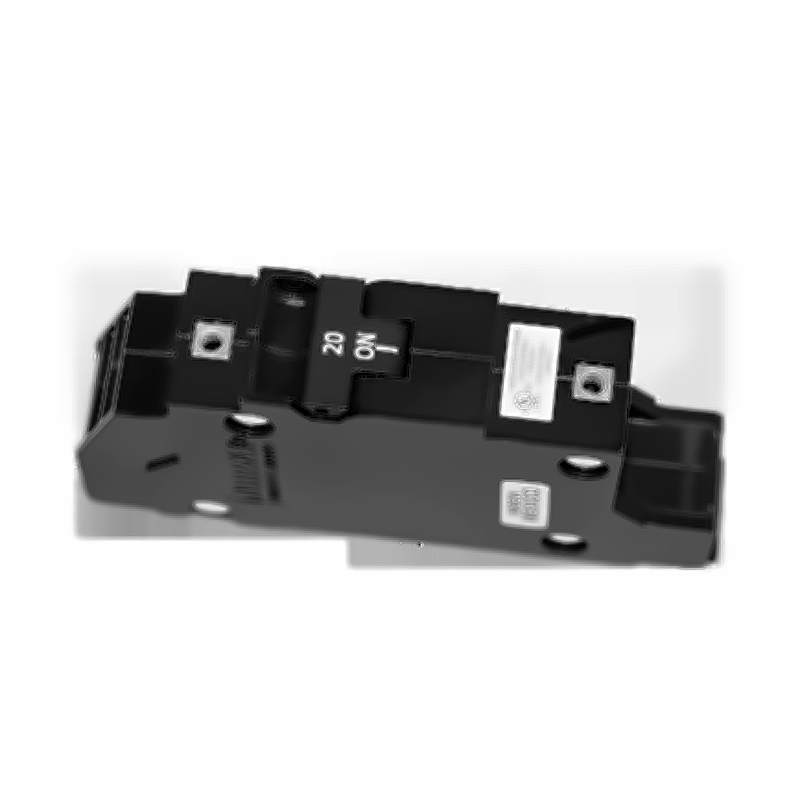
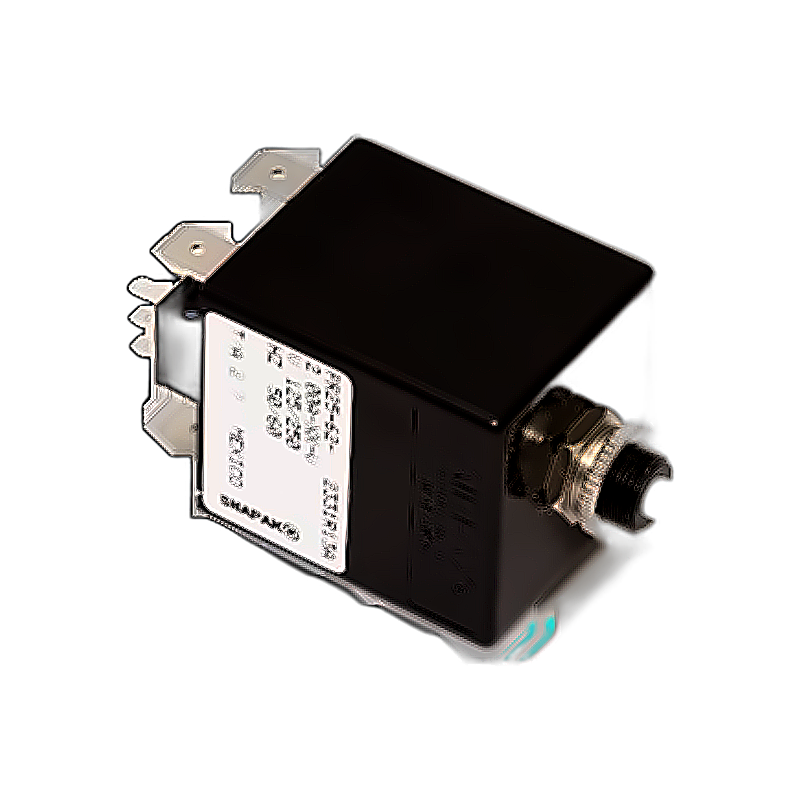
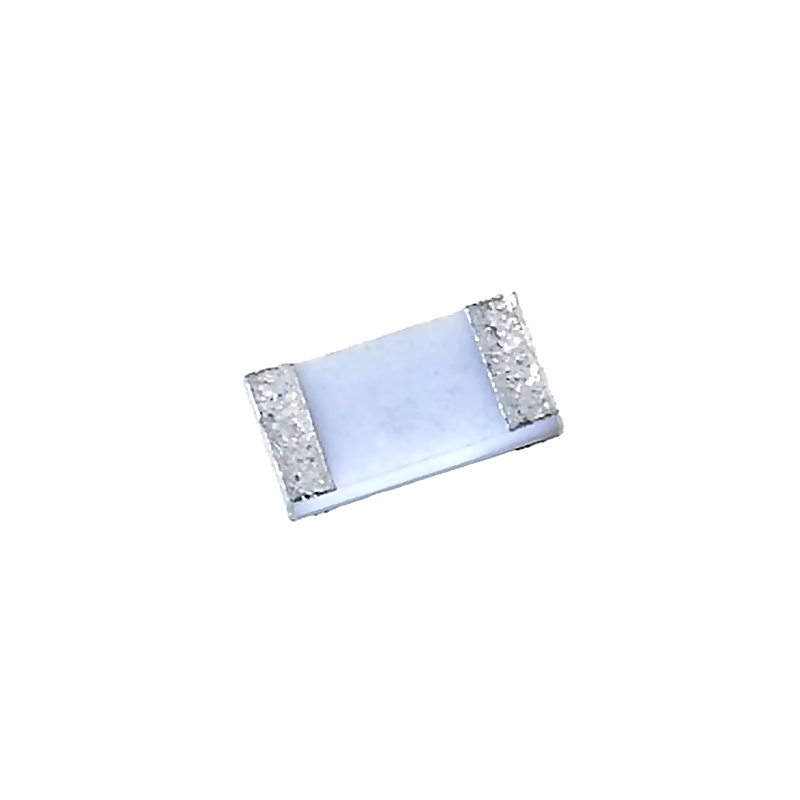
A fuse in electric circuit serves as a critical safety device designed to protect electrical systems from damage caused by excessive current flow. This essential component consists of a metal wire or strip that melts when current exceeds safe levels, effectively breaking the circuit and preventing potential hazards. The fuse in electric circuit operates on a simple yet highly effective principle: when electrical current surpasses the fuse's rated capacity, the internal element heats up and melts, creating an open circuit that stops current flow immediately. Modern fuses incorporate advanced materials such as silver, copper, or alloys that provide precise melting points for reliable protection. The technological features of a fuse in electric circuit include calibrated breaking capacity, specific time-current characteristics, and various physical sizes to accommodate different applications. These devices are available in multiple configurations, including cartridge fuses, blade fuses, and surface-mount fuses, each engineered for specific voltage and current ratings. Applications span across residential, commercial, and industrial environments, protecting everything from household appliances and automotive systems to complex industrial machinery and power distribution networks. The fuse in electric circuit remains indispensable in modern electrical installations, offering straightforward overcurrent protection that safeguards expensive equipment, prevents fire hazards, and ensures system reliability. Their non-resettable nature provides clear indication of circuit faults, prompting necessary investigation and repair before system restoration.
Investing in a quality fuse in electric circuit delivers substantial practical benefits that directly impact safety, cost-efficiency, and operational reliability. The primary advantage lies in immediate overcurrent protection, where the fuse responds within milliseconds to dangerous current levels, preventing equipment damage and fire risks before they escalate. This rapid response time translates into significant cost savings by protecting expensive electrical equipment, reducing downtime, and minimizing repair expenses. Unlike complex protection systems, a fuse in electric circuit offers simplicity in installation and replacement, requiring no specialized training or expensive tools for maintenance. This ease of use makes them ideal for both professional electricians and facility managers, reducing labor costs and maintenance time. The operational benefit of predictable performance ensures consistent protection across varying environmental conditions, with minimal degradation over time when properly rated. A fuse in electric circuit provides visual confirmation of failure, making troubleshooting straightforward and reducing diagnostic time significantly. Application suitability extends across voltage ranges from low-voltage consumer electronics to high-voltage industrial systems, offering versatility that few other protection devices match. The economic advantage becomes evident through their low initial cost compared to electronic circuit breakers, making them accessible for budget-conscious projects without compromising safety standards. For decision-making purposes, fuses offer standardized ratings that simplify system design and compliance with electrical codes and insurance requirements. Their fail-safe nature means they cannot be accidentally reset after activation, ensuring thorough investigation of fault conditions before circuit restoration. The compact design of a fuse in electric circuit allows integration into space-constrained applications, providing robust protection without requiring significant panel space or complex wiring configurations.

Practical Tips

Strategic Hardware Design for High-Density Mobile Electronics: A Comprehensive Layout and Component Selection Guide

11

May

Strategic Hardware Design for High-Density Mobile Electronics: A Comprehensive Layout and Component Selection Guide

Struggling with signal integrity & power stability in ultra-compact laptops? This expert guide covers IC layout, passive component selection, ESD protection & embedded solutions. Optimize your next-gen design now.
View More
Why are ic solutions essential for modern power and control systems?

12

Jun

Why are ic solutions essential for modern power and control systems?

View More
Can a power management ic reduce heat generation in industrial systems?

12

Jun

Can a power management ic reduce heat generation in industrial systems?

View More
How does a dc contactor improve safety in battery energy storage applications?

12

Jun

How does a dc contactor improve safety in battery energy storage applications?

View More
Instantaneous Overcurrent Protection Technology

Instantaneous Overcurrent Protection Technology

The fuse in electric circuit excels through its instantaneous overcurrent protection mechanism, which operates on precise thermal principles to safeguard electrical systems. When current exceeds the fuse's rated capacity, the internal fusible element experiences rapid resistive heating that causes controlled melting within milliseconds. This immediate response time is crucial for preventing cascade failures in electrical systems, where delayed protection could allow fault currents to damage multiple components simultaneously. The technology behind modern fuses incorporates carefully engineered alloys with specific melting temperatures and thermal characteristics, ensuring predictable performance across operational temperature ranges. This reliability stems from decades of metallurgical refinement, producing elements that maintain consistent breaking capacity throughout their service life. The protective action of a fuse in electric circuit is inherently fail-safe, meaning it defaults to an open circuit position during any malfunction, providing unmatched safety assurance. Advanced fuse designs incorporate arc-quenching materials such as silica sand or ceramic bodies that absorb energy during interruption, preventing dangerous arcing that could ignite surrounding materials. This comprehensive protection approach makes fuses indispensable for applications where human safety and property protection are paramount priorities.
Universal Application Compatibility

Universal Application Compatibility

A fuse in electric circuit demonstrates remarkable versatility through its universal application compatibility across diverse electrical environments and system requirements. Manufacturing standards ensure fuses are available in configurations suitable for residential circuits operating at 120-240 volts, automotive systems at 12-48 volts, and industrial installations reaching thousands of volts. This broad voltage range capability allows engineers and electricians to specify appropriate protection for virtually any application using standardized components with well-documented performance characteristics. Current ratings span from milliamperes for delicate electronic circuits to thousands of amperes for heavy industrial equipment, providing granular protection matching specific load requirements. The physical form factors of a fuse in electric circuit accommodate different mounting methods, including panel-mount holders, PCB surface-mount packages, and inline cable installations, ensuring seamless integration regardless of system architecture. Temperature compensation features in premium fuses maintain consistent performance across environmental extremes, from sub-zero outdoor installations to high-temperature industrial processes. This adaptability extends to specialized applications such as motor protection, transformer circuits, and semiconductor device safeguarding, where unique time-current characteristics prevent nuisance tripping while ensuring fault protection. The standardized nature of fuse specifications simplifies inventory management and emergency replacements, as compatible units are readily available worldwide through established distribution networks.
Cost-Effective Long-Term Protection

Cost-Effective Long-Term Protection

The fuse in electric circuit represents exceptional value through its cost-effective long-term protection strategy that minimizes total ownership costs while maximizing system safety. Initial acquisition costs remain significantly lower than electronic alternatives, allowing budget allocation toward other system improvements without compromising protection quality. The simplicity of fuse technology eliminates ongoing maintenance requirements such as calibration, testing, or firmware updates that burden more complex protection devices, reducing lifecycle expenses substantially. When properly rated and installed, a fuse in electric circuit can provide reliable protection for decades without performance degradation, offering outstanding return on investment. Replacement procedures require minimal downtime and no specialized equipment, keeping operational interruptions brief and maintenance costs predictable. The self-indicating nature of blown fuses streamlines troubleshooting processes, reducing diagnostic labor hours and accelerating system restoration after fault events. Insurance providers often recognize fused circuits as meeting rigorous safety standards, potentially reducing premium costs for facilities employing comprehensive fuse protection strategies. Energy efficiency considerations favor fuses due to their zero standby power consumption, unlike active protection devices that continuously draw power for monitoring circuits. The standardized dimensions and ratings of a fuse in electric circuit ensure long-term parts availability, protecting against obsolescence risks that affect proprietary protection systems. This combination of low acquisition cost, minimal maintenance burden, and reliable performance establishes fuses as the economically optimal choice for conscientious system designers prioritizing sustainable protection solutions.