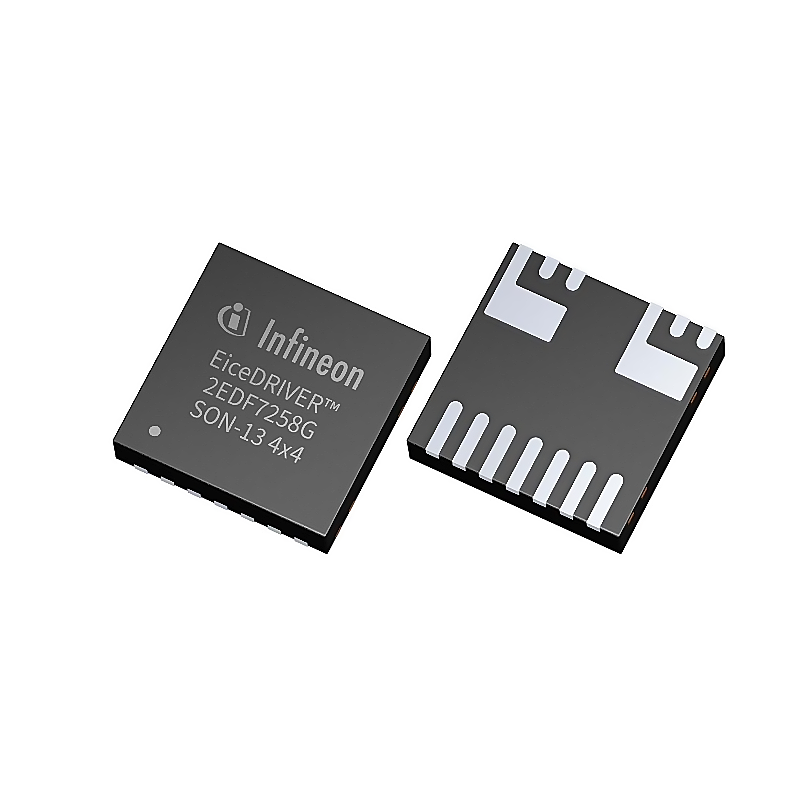
pmic chip
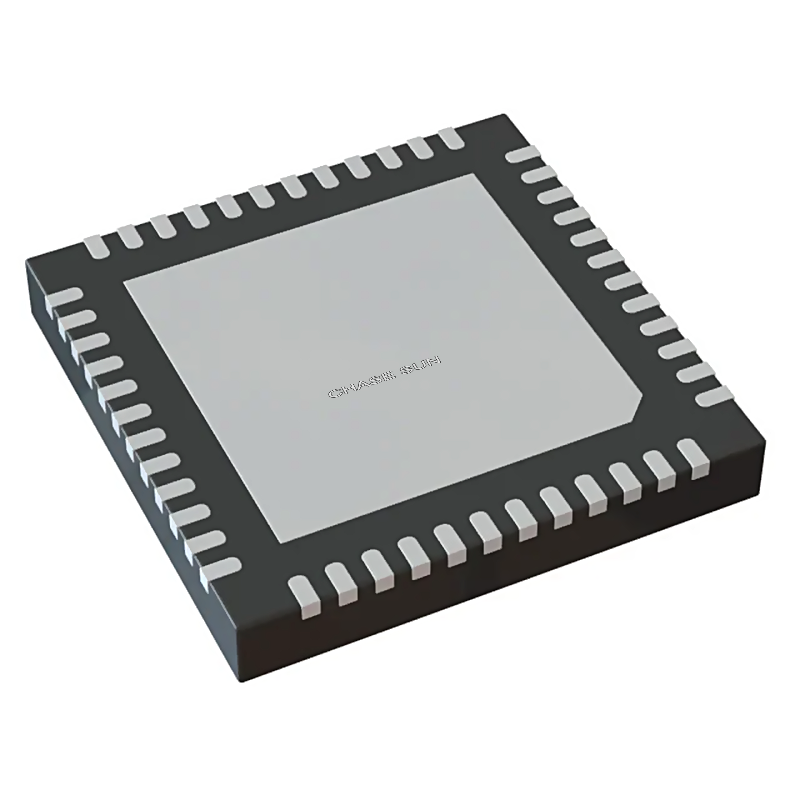
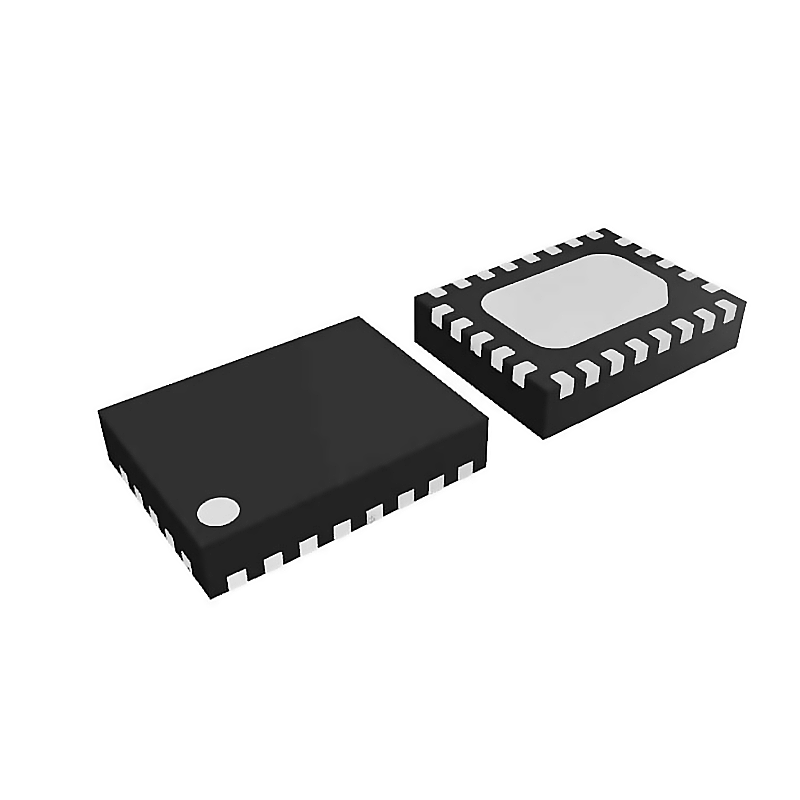
A PMIC chip, or Power Management Integrated Circuit chip, serves as the central control unit for power distribution and regulation in modern electronic devices. This sophisticated semiconductor component manages multiple power-related functions within a single integrated package, making it essential for smartphones, tablets, laptops, wearable devices, and IoT applications. The PMIC chip efficiently converts input voltage from batteries or external power sources into various output levels required by different system components, ensuring each receives optimal power for reliable operation. Key technological features include voltage regulation, battery charging control, power sequencing, thermal management, and dynamic voltage scaling. Advanced PMIC chip designs incorporate multiple DC-DC converters, low-dropout regulators, and battery management systems that work together seamlessly. These chips employ sophisticated algorithms to monitor power consumption, adjust voltage levels in real-time, and protect circuits from overvoltage, overcurrent, and overheating conditions. Modern PMIC chip architectures support fast-charging protocols, wireless charging capabilities, and energy harvesting technologies. The integration of multiple power management functions into a single PMIC chip significantly reduces board space, component count, and overall system complexity. Applications span across consumer electronics, automotive systems, industrial equipment, medical devices, and telecommunications infrastructure. As devices demand longer battery life and more efficient power delivery, the PMIC chip continues evolving with enhanced efficiency ratings, smaller form factors, and intelligent power optimization features that extend operational runtime while maintaining peak performance.