Management IC Solutions: Power Control & System Optimization

Your Trusted Partner in Electronics Supply Chain. Inquire Now!

Explore Our Latest Smart Electronics Collection.

, , 
Inquiry
Inquiry

management ic

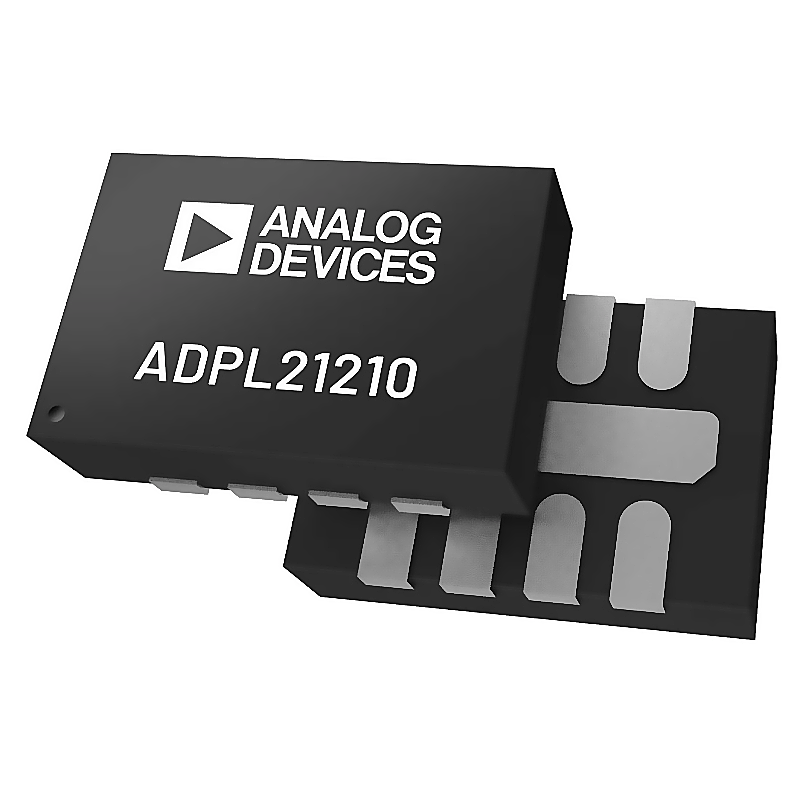
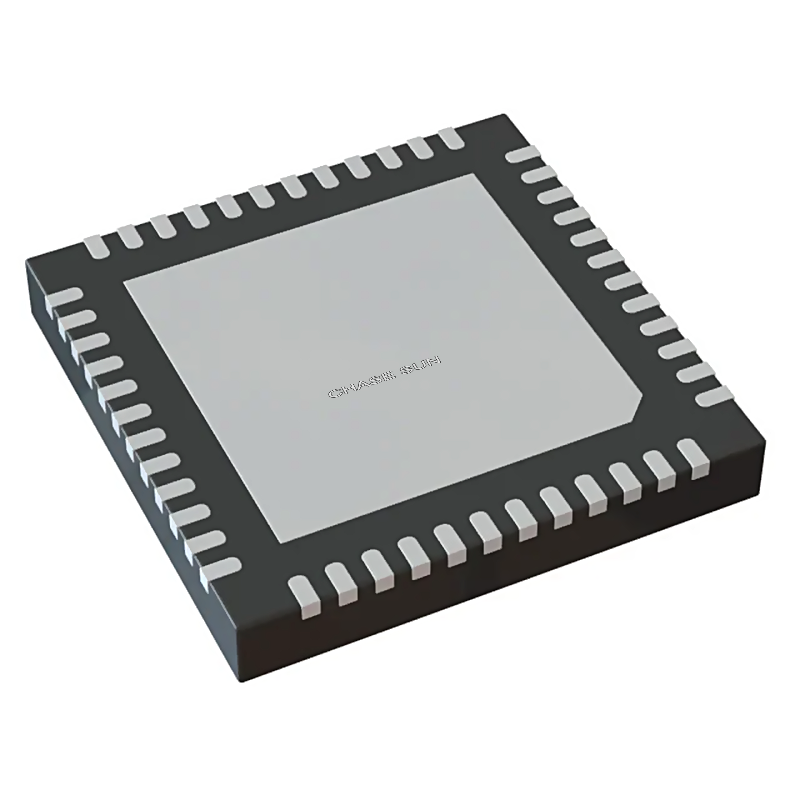
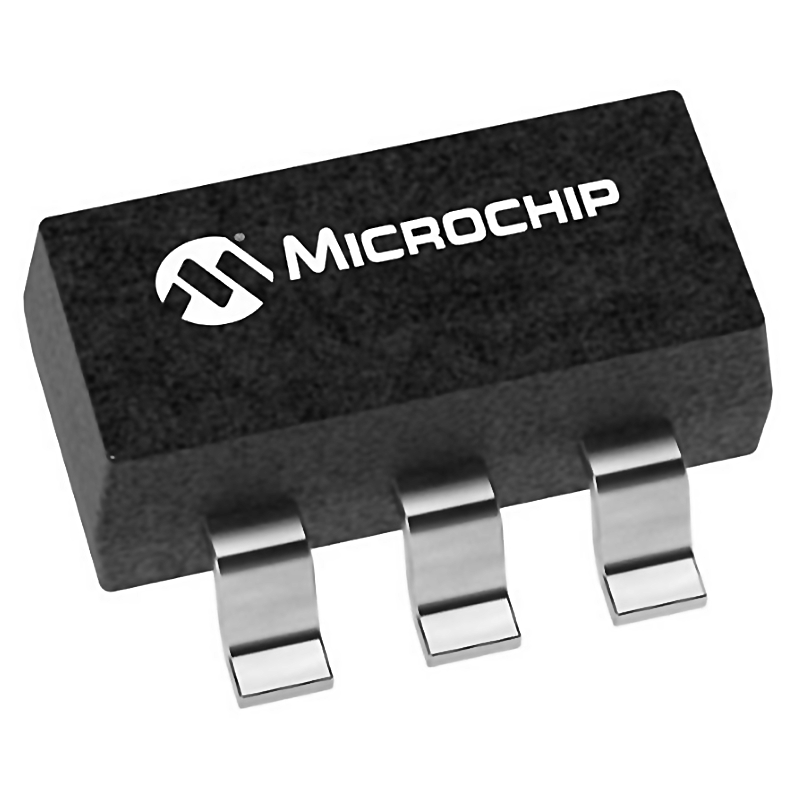
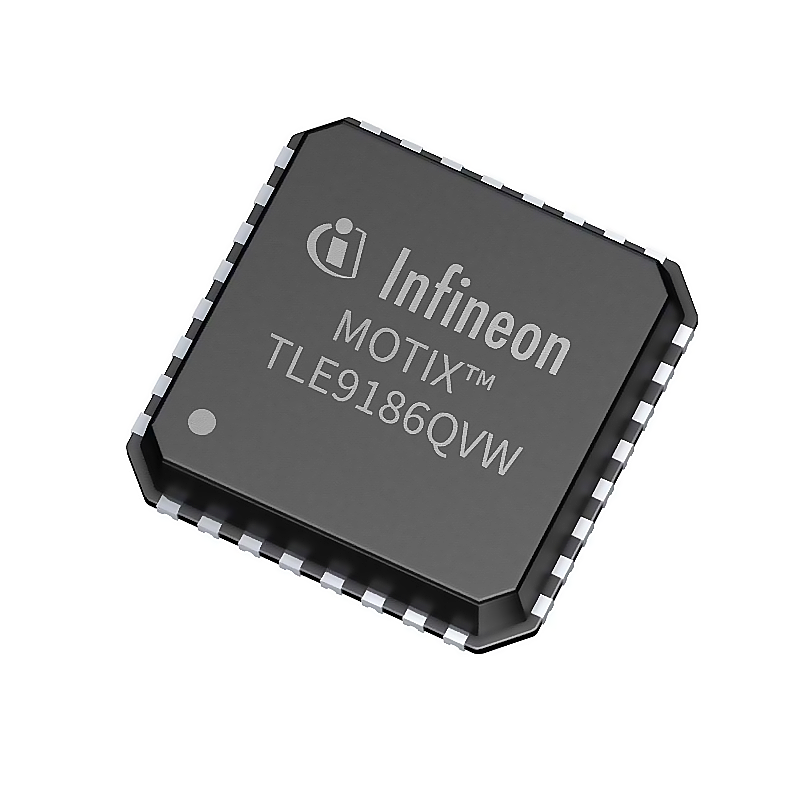
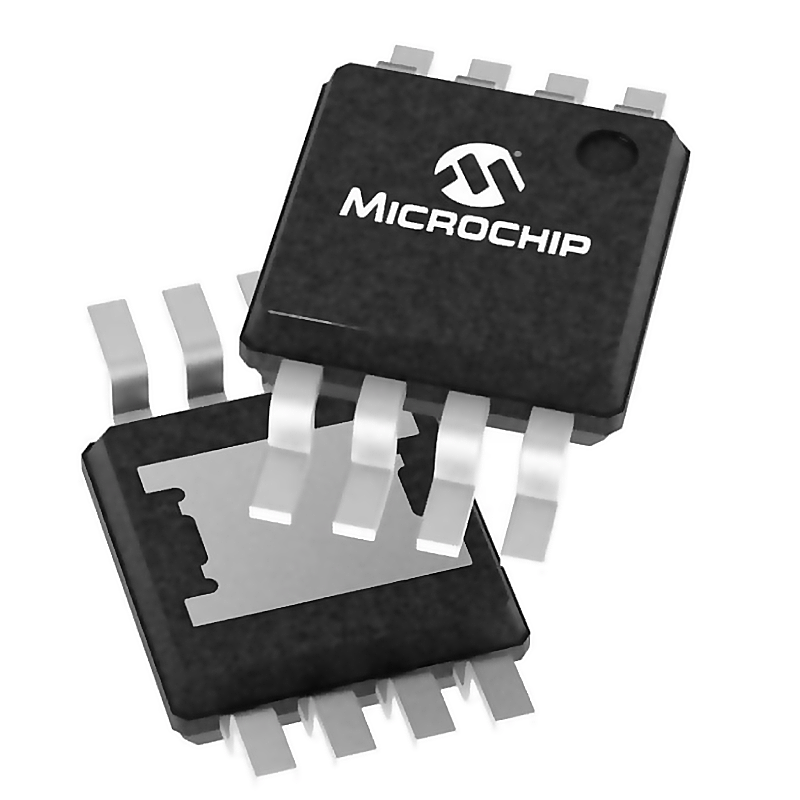
A management IC is a specialized integrated circuit designed to control and optimize the performance of electronic systems by managing power distribution, monitoring operational parameters, and coordinating multiple functional blocks within devices. This sophisticated component serves as the central control unit in modern electronics, enabling efficient resource allocation and system stability. The management IC integrates multiple functions into a single chip, including voltage regulation, current monitoring, thermal management, and communication interfaces. These circuits employ advanced semiconductor technology to deliver precise control with minimal power consumption. The primary functions of a management IC include power sequencing to ensure components start up in the correct order, fault detection to protect against overcurrent or overheating conditions, and dynamic power management to extend battery life in portable devices. Modern management IC designs incorporate digital signal processing capabilities, enabling intelligent decision-making based on real-time system conditions. Applications span across consumer electronics, automotive systems, industrial equipment, telecommunications infrastructure, and medical devices. In smartphones and tablets, the management IC coordinates battery charging, display power, and processor voltage levels. Automotive implementations manage electric vehicle battery systems, engine control units, and advanced driver assistance systems. The technological features of these circuits include high integration density, low quiescent current, wide input voltage ranges, and robust protection mechanisms. Advanced management IC solutions offer programmable configurations through I2C or SPI interfaces, allowing manufacturers to customize functionality for specific applications while maintaining compact form factors and cost efficiency.
The management IC delivers substantial cost savings by consolidating multiple discrete components into a single integrated solution, reducing board space requirements and simplifying assembly processes. This integration eliminates the need for separate voltage regulators, monitoring circuits, and protection devices, lowering both component costs and manufacturing complexity. For product designers, the management IC accelerates development cycles by providing proven, reliable control solutions that reduce design iterations and testing time. The operational benefits extend to improved system efficiency, as the management IC continuously optimizes power delivery based on load conditions, minimizing energy waste and reducing heat generation. This efficiency translates directly to longer battery life in portable applications and lower operating costs in stationary equipment. Users benefit from enhanced reliability because the management IC provides comprehensive protection against common failure modes including overvoltage, undervoltage, overcurrent, and thermal runaway conditions. The built-in diagnostic capabilities enable predictive maintenance by monitoring system health indicators and alerting operators before critical failures occur. Application suitability is broad, with management IC solutions available for voltage ranges from sub-volt to hundreds of volts and current handling from milliamps to hundreds of amps. Whether powering sensitive microprocessors, driving high-power motors, or managing complex battery systems, the management IC adapts to diverse requirements. Decision-makers appreciate the scalability of management IC platforms, allowing product families to share common control architectures while varying power levels and feature sets. The standardized interfaces and programming tools reduce training requirements and enable engineers to work across multiple projects efficiently. Quality assurance improves as reputable management IC manufacturers provide extensive testing and qualification data, ensuring consistent performance across production volumes and environmental conditions.

Tips And Tricks

Why do manufacturers use contactor&relay systems in automated machinery?

12

Jun

Why do manufacturers use contactor&relay systems in automated machinery?

View More
Why do engineers choose mosfet transistor devices for power management designs?

12

Jun

Why do engineers choose mosfet transistor devices for power management designs?

View More
How does a power management ic improve efficiency in automotive electronics?

12

Jun

How does a power management ic improve efficiency in automotive electronics?

View More
Intelligent Power Optimization

Intelligent Power Optimization

The management IC employs sophisticated algorithms to continuously analyze system demands and adjust power delivery in real time, maximizing efficiency across varying load conditions. This intelligent optimization capability distinguishes modern management IC solutions from passive power components by actively responding to operational requirements rather than providing fixed output characteristics. The circuit monitors voltage and current at multiple points, calculating optimal operating parameters thousands of times per second. When system load decreases, the management IC reduces power consumption by entering low-power modes or adjusting switching frequencies to minimize losses. During peak demand periods, it ensures stable voltage delivery while maintaining thermal limits and preventing component stress. This dynamic approach extends component lifespan by avoiding unnecessary thermal cycling and voltage stress. For battery-powered devices, intelligent optimization can extend runtime by 20 to 40 percent compared to conventional power management approaches. Industrial applications benefit from reduced energy costs and improved process consistency. The management IC stores usage profiles and learns typical operational patterns, enabling predictive adjustments that smooth power transitions and reduce electromagnetic interference. Advanced implementations incorporate machine learning capabilities that adapt to changing conditions over the product lifecycle, maintaining optimal performance as components age.
Comprehensive System Protection

Comprehensive System Protection

The management IC integrates multiple layers of protection circuitry that safeguard both the power management system and connected loads from a wide range of fault conditions and environmental stresses. Unlike discrete protection components that address single failure modes, the management IC coordinates multiple protection mechanisms to provide comprehensive coverage while minimizing false triggers that could disrupt normal operation. Overvoltage protection circuits detect excessive input or output voltages within microseconds, instantly disconnecting affected circuits or clamping voltages to safe levels. Overcurrent monitoring prevents damage to power semiconductors and circuit traces by limiting maximum current flow and shutting down outputs when thresholds are exceeded. Thermal management functions use integrated temperature sensors positioned at critical locations to track junction temperatures and activate cooling measures or reduce power levels before damage occurs. Short circuit protection responds in nanoseconds to prevent catastrophic failures. The management IC also monitors supply sequencing to ensure that voltage rails energize in the proper order, preventing latch-up conditions in complex digital circuits. Reverse polarity protection guards against improper battery installation or connection errors. These coordinated protection functions communicate with system microcontrollers through standard interfaces, enabling sophisticated fault logging and diagnostics that facilitate rapid troubleshooting and warranty analysis while ensuring safe operation across all conditions.
Simplified Integration and Scalability

Simplified Integration and Scalability

The management IC streamlines product development through standardized interfaces, comprehensive development tools, and flexible configuration options that reduce engineering effort and accelerate time to market. Manufacturers design management IC families with pin-compatible variants covering different power levels and feature sets, enabling designers to select the optimal device for each application while maintaining common board layouts and software drivers. This scalability allows companies to address multiple market segments with minimal redesign costs. Reference designs and evaluation boards provide proven starting points that eliminate common design pitfalls and reduce prototype iterations. Configuration tools with graphical interfaces enable engineers to specify operating parameters, protection thresholds, and sequencing requirements without writing low-level code. The management IC typically communicates through industry-standard protocols like I2C, SPI, or PMBus, simplifying integration with existing microcontroller platforms and enabling remote monitoring in networked applications. Comprehensive documentation including application notes, simulation models, and layout guidelines further reduces development risk. For manufacturers producing high-mix product portfolios, the management IC provides a standardized platform that engineering teams can leverage across multiple projects, building expertise and reusing validated designs. Supply chain benefits include reduced component variety, simplified inventory management, and stronger supplier relationships through volume consolidation. The combination of technical flexibility and development support makes the management IC an ideal choice for both resource-constrained startups and established corporations.