Thermal Type Circuit Breaker Guide & Benefits

Your Trusted Partner in Electronics Supply Chain. Inquire Now!

Explore Our Latest Smart Electronics Collection.

, , 
Inquiry
Inquiry

thermal type circuit breaker

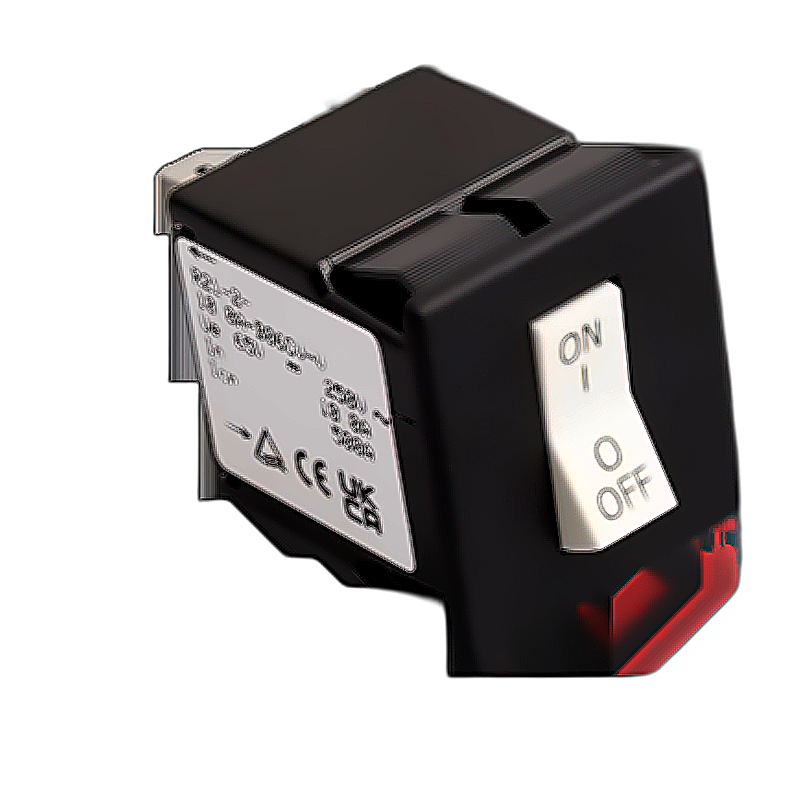
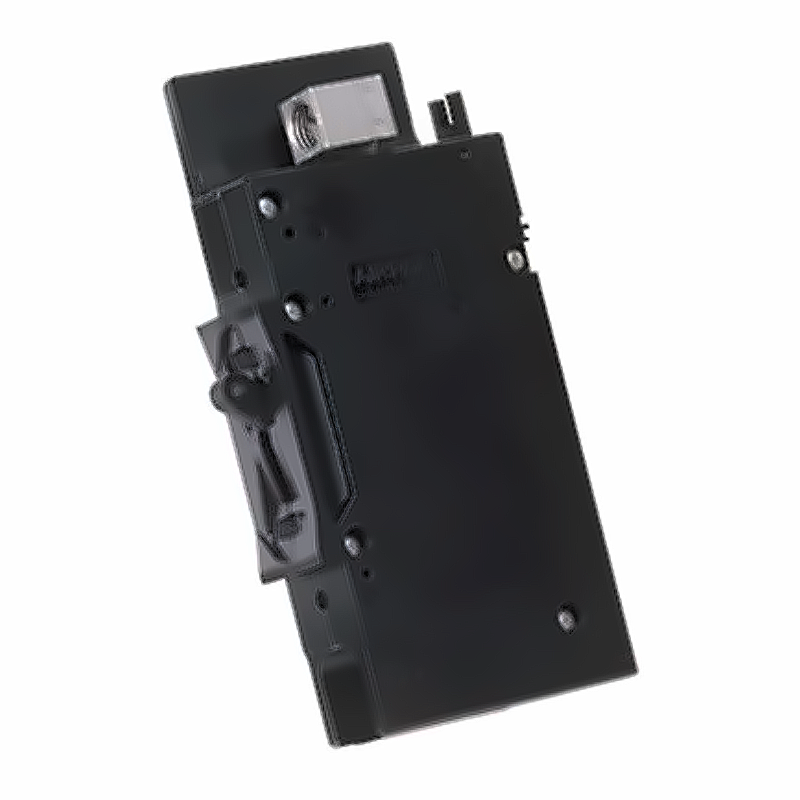
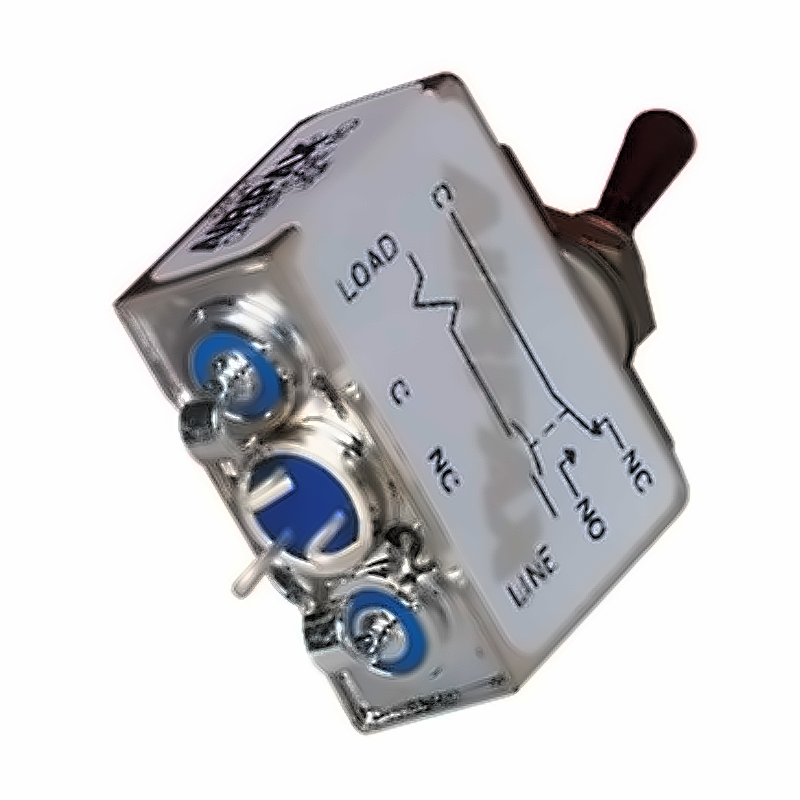
A thermal type circuit breaker is an essential electrical protection device designed to safeguard circuits from damage caused by overcurrent conditions and excessive heat buildup. This intelligent protective mechanism operates on the principle of thermal expansion, utilizing a bimetallic strip that responds to temperature changes generated by electrical current flow. When current exceeds safe levels, the heat produced causes the bimetallic element to bend and mechanically trip the circuit, interrupting power flow to prevent equipment damage and fire hazards. The thermal type circuit breaker combines robust construction with reliable performance, making it indispensable in residential, commercial, and industrial electrical systems. Its main functions include overload protection, automatic circuit interruption, and manual reset capability after fault clearance. Technologically, these devices feature precisely calibrated thermal elements that provide accurate trip characteristics, slow response to temporary overloads, and fast action during dangerous fault conditions. The thermal type circuit breaker excels in applications requiring protection against sustained overcurrent situations rather than short circuits. Common installations include motor protection circuits, lighting panels, HVAC systems, and general power distribution networks. Unlike magnetic circuit breakers that respond to instantaneous high currents, the thermal type circuit breaker provides time-delayed protection ideal for managing equipment with high starting currents. Modern versions incorporate enhanced materials for improved durability, wider ambient temperature ranges, and longer service life, ensuring consistent protection across diverse operating environments.
Choosing a thermal type circuit breaker offers numerous practical benefits that directly impact your system's safety, reliability, and operational efficiency. First, these devices provide cost-effective protection without requiring complex electronics or sophisticated components, resulting in lower initial investment and reduced maintenance expenses over the product lifecycle. The simplicity of thermal operation means fewer parts that can fail, translating to enhanced reliability and extended service intervals. For businesses managing tight budgets, this represents significant long-term savings while maintaining robust electrical protection. Second, the thermal type circuit breaker delivers excellent coordination with downstream protective devices, allowing selective tripping that isolates only the affected circuit section while keeping other areas operational. This characteristic minimizes unnecessary downtime and improves overall system availability, particularly valuable in commercial and industrial settings where continuity matters. Third, these breakers handle repetitive overload conditions gracefully, automatically resetting the thermal element once temperatures normalize, which suits applications with cyclical loads or equipment with predictable surge patterns. Fourth, installation simplicity accelerates project timelines since the thermal type circuit breaker typically requires no special calibration or complex wiring configurations. Electricians appreciate the straightforward mounting and connection procedures that reduce labor costs and minimize installation errors. Fifth, these devices operate silently and require no external power source, making them ideal for noise-sensitive environments and remote locations. The passive thermal mechanism ensures protection remains active regardless of auxiliary power availability. Finally, the thermal type circuit breaker demonstrates excellent performance across varying ambient conditions, with proper derating ensuring consistent protection even in challenging thermal environments, giving you confidence in diverse applications from climate-controlled facilities to outdoor industrial installations.

Latest News

Why do engineers choose mosfet transistor devices for power management designs?

12

Jun

Why do engineers choose mosfet transistor devices for power management designs?

View More
Can a power management ic reduce heat generation in industrial systems?

12

Jun

Can a power management ic reduce heat generation in industrial systems?

View More
Is a dc contactor suitable for high-current switching in industrial systems?

12

Jun

Is a dc contactor suitable for high-current switching in industrial systems?

View More
Intelligent Thermal Response Technology

Intelligent Thermal Response Technology

The thermal type circuit breaker incorporates sophisticated bimetallic strip technology that provides intelligent, self-adjusting protection based on actual operating conditions. This innovative design responds proportionally to the heat generated by current flow, offering graduated protection that distinguishes between harmless temporary overloads and dangerous sustained overcurrent conditions. The precisely engineered bimetallic element consists of two dissimilar metals bonded together, each with different thermal expansion coefficients. As current increases and generates heat, the metals expand at different rates, causing the strip to bend in a predictable manner. This mechanical movement eventually triggers the trip mechanism when preset thresholds are exceeded. The beauty of this technology lies in its inherent intelligence: brief, harmless surges like motor starting currents produce insufficient heating to cause nuisance tripping, while prolonged overloads generate cumulative heat that activates protection before damage occurs. This thermal memory effect provides superior discrimination compared to simple on-off switching devices. Additionally, the thermal type circuit breaker automatically compensates for ambient temperature variations, with the bimetallic strip adjusting its response characteristics to maintain consistent protection across different environmental conditions, ensuring reliable performance whether installed in cold outdoor enclosures or warm equipment rooms.
Maintenance-Free Reliability and Longevity

Maintenance-Free Reliability and Longevity

The thermal type circuit breaker stands out for its exceptional reliability and virtually maintenance-free operation throughout its extended service life. Unlike electronic protection devices that may require periodic testing, calibration, or battery replacement, thermal breakers operate on purely mechanical and thermal principles that remain stable and accurate over decades of service. The robust construction features heavy-duty contacts designed to withstand thousands of switching operations without significant degradation, while the bimetallic thermal element maintains its calibration without drift or adjustment needs. This inherent stability eliminates costly periodic maintenance visits and reduces total ownership expenses significantly. The sealed construction protects internal components from dust, moisture, and contaminants that could compromise performance, making the thermal type circuit breaker suitable for harsh industrial environments where other devices might fail prematurely. Additionally, the absence of electronic components means no vulnerability to electromagnetic interference, voltage transients, or component aging issues that affect solid-state devices. When thermal breakers do eventually require replacement after many years of faithful service, the process is straightforward and inexpensive compared to sophisticated electronic alternatives. For facility managers responsible for large installations, this reliability translates to predictable maintenance budgets, reduced emergency service calls, and improved system uptime, delivering tangible operational benefits that positively impact the bottom line.
Versatile Application Compatibility

Versatile Application Compatibility

The thermal type circuit breaker demonstrates remarkable versatility across an extensive range of applications, making it the preferred choice for diverse electrical protection scenarios. Its unique operating characteristics make it particularly well-suited for protecting motors, transformers, heating elements, and other inductive or resistive loads that exhibit high inrush currents during startup but operate at stable levels during normal running. The time-delay characteristic inherent in thermal operation allows these temporary surges to pass without nuisance tripping while still providing fast protection against genuine fault conditions. In residential settings, thermal breakers protect branch circuits serving appliances, lighting, and general receptacles, offering homeowners reliable protection without complexity. Commercial installations benefit from the thermal type circuit breaker in distribution panels, HVAC equipment protection, and facility lighting systems where the combination of overload protection and simplicity aligns perfectly with operational needs. Industrial applications leverage these devices for motor control centers, process equipment protection, and auxiliary circuits where rugged construction and environmental tolerance matter most. The thermal type circuit breaker also excels in retrofit situations where existing protective device replacement is needed, as standard form factors and mounting configurations ensure compatibility with legacy installations. This application flexibility, combined with availability in various current ratings, voltage classes, and pole configurations, means you can specify a thermal type circuit breaker for virtually any protective requirement, simplifying inventory management and ensuring consistent protection philosophy across your entire facility.