Auto MCU Solutions for Advanced Vehicle Systems

Your Trusted Partner in Electronics Supply Chain. Inquire Now!

Explore Our Latest Smart Electronics Collection.

, , 
Inquiry
Inquiry

auto mcu

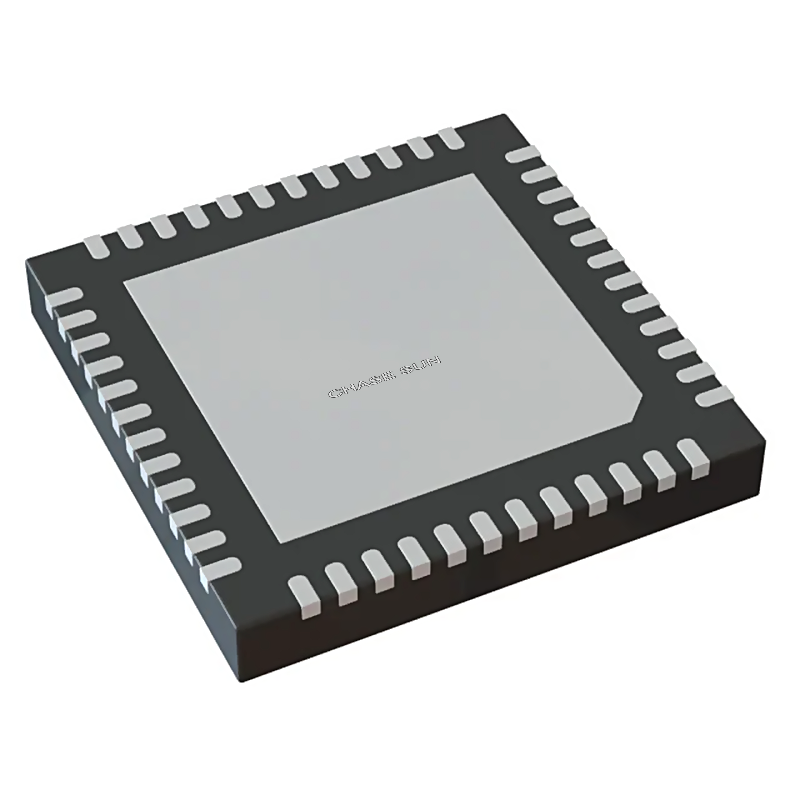
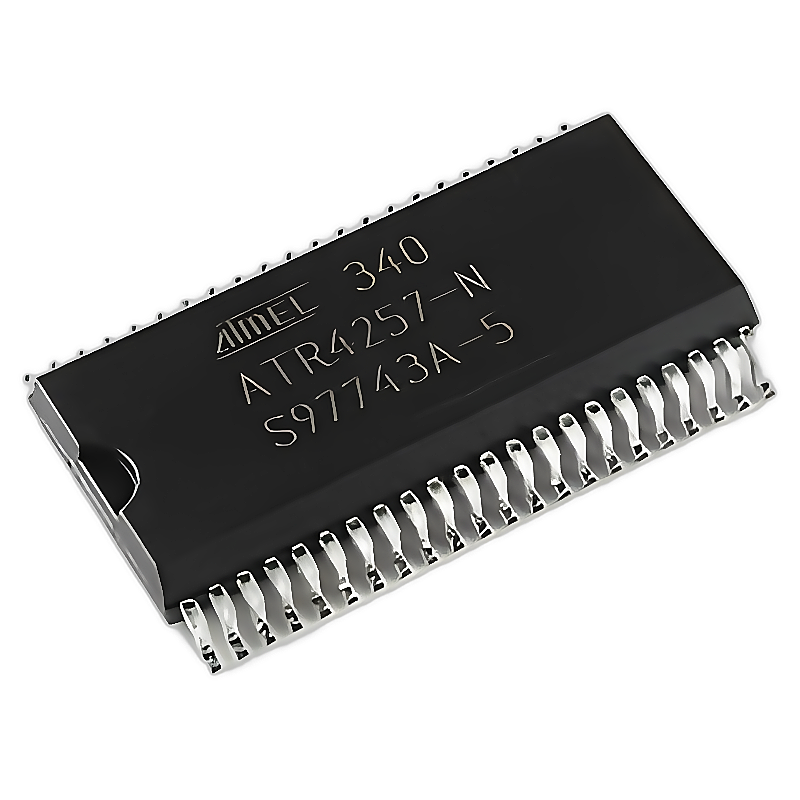
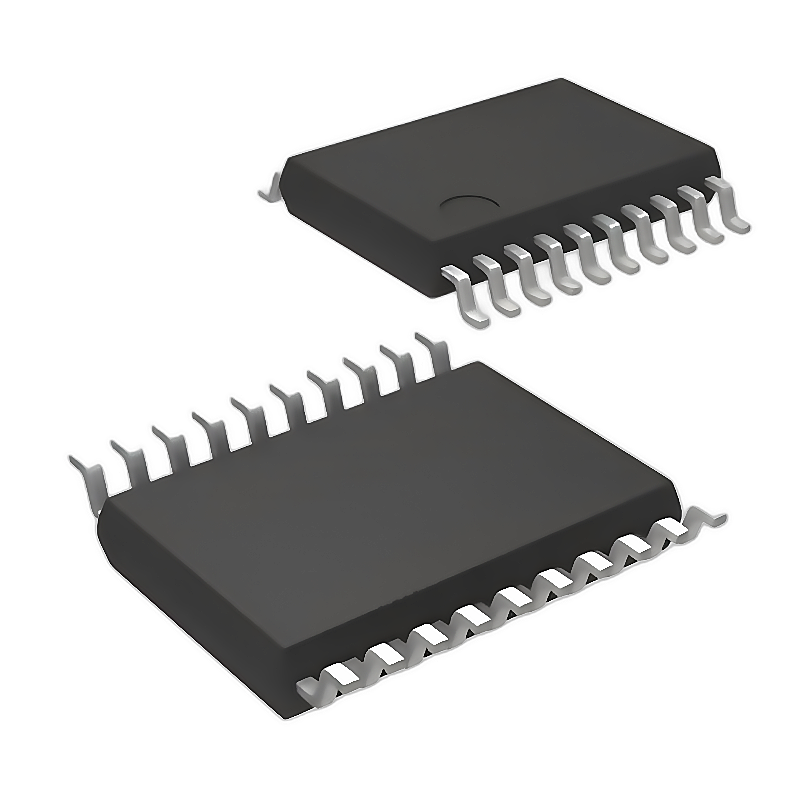
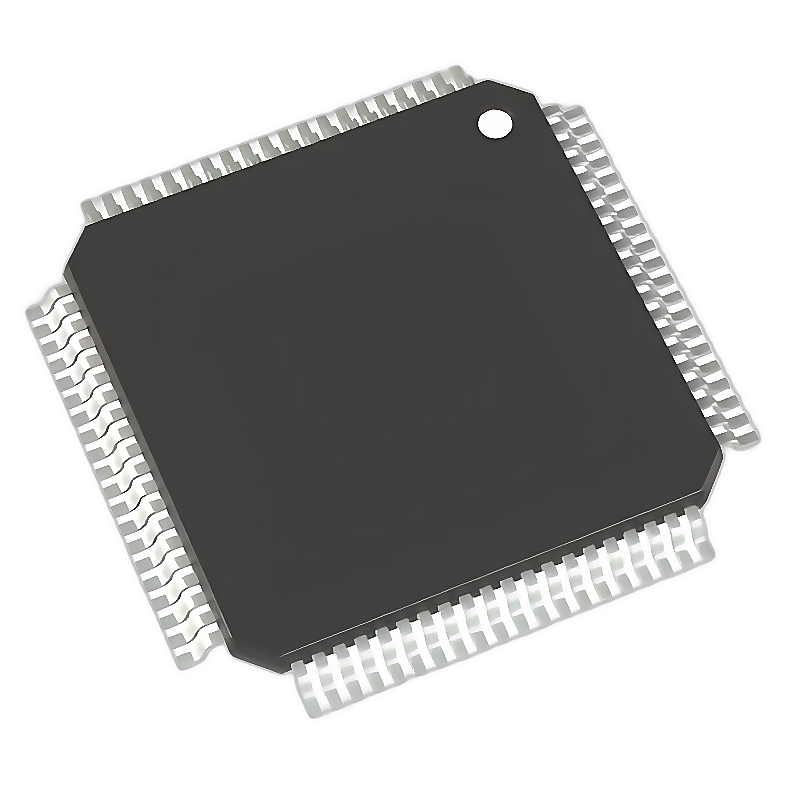
An auto mcu, or automotive microcontroller unit, serves as the intelligent brain behind modern vehicle systems, delivering precise control and processing capabilities essential for today's advanced automobiles. This specialized integrated circuit is engineered specifically to withstand the harsh operating conditions found in automotive environments, including extreme temperatures, vibrations, and electromagnetic interference. The auto mcu manages critical vehicle functions ranging from engine control and transmission management to advanced driver assistance systems and infotainment interfaces. These microcontrollers feature robust processing cores, extensive memory configurations, and specialized peripherals designed for automotive protocols such as CAN, LIN, and FlexRay communication networks. Modern auto mcu designs incorporate multiple safety mechanisms, including redundant processing paths, error correction capabilities, and fail-safe operational modes to ensure reliable performance in safety-critical applications. The technology integrates analog and digital signal processing, enabling seamless interaction with various sensors and actuators throughout the vehicle. As vehicles become increasingly electrified and autonomous, the auto mcu plays an expanding role in managing battery systems, electric powertrains, radar processing, and real-time decision-making algorithms. With certification to automotive quality standards like AEC-Q100 and compliance with functional safety requirements such as ISO 26262, these microcontrollers deliver the dependability and longevity required for automotive applications spanning ten to fifteen years of operational life.
Choosing the right auto mcu delivers substantial benefits that directly impact your vehicle system's performance, reliability, and cost-effectiveness. These microcontrollers provide exceptional durability, operating flawlessly across temperature ranges from minus forty to one hundred fifty degrees Celsius, ensuring consistent performance whether vehicles operate in arctic conditions or desert heat. The integrated design reduces component count and system complexity, lowering manufacturing costs while improving overall reliability by eliminating potential failure points between separate components. Auto mcu solutions offer superior power efficiency, critical for modern vehicles where energy conservation extends electric vehicle range and reduces fuel consumption in conventional powertrains. The built-in safety features protect against system failures, automatically detecting and responding to errors before they compromise vehicle operation or passenger safety. Development time decreases significantly thanks to comprehensive software ecosystems, including pre-validated drivers, middleware, and development tools that accelerate your product's time to market. Real-time processing capabilities enable instant response to changing driving conditions, enhancing vehicle dynamics, safety systems, and driver comfort. The scalability of auto mcu families allows you to standardize on a single architecture across multiple vehicle platforms, reducing training requirements and reusing software investments across different models. Security features protect against cyber threats, safeguarding vehicle systems from unauthorized access and malicious attacks that could compromise safety or personal data. Long-term availability guarantees ensure you can maintain production and provide replacement parts throughout your vehicle's lifecycle, eliminating costly redesigns. The auto mcu investment delivers measurable returns through reduced warranty claims, improved customer satisfaction, and competitive advantages in an increasingly technology-driven automotive marketplace.

Tips And Tricks

How does a mosfet transistor improve efficiency in industrial power systems?

12

Jun

How does a mosfet transistor improve efficiency in industrial power systems?

View More
Why do engineers choose mosfet transistor devices for power management designs?

12

Jun

Why do engineers choose mosfet transistor devices for power management designs?

View More
How do ic solutions improve integration in automotive and industrial electronics?

12

Jun

How do ic solutions improve integration in automotive and industrial electronics?

View More
Why are ic solutions essential for modern power and control systems?

12

Jun

Why are ic solutions essential for modern power and control systems?

View More
Enhanced Safety and Reliability Architecture

Enhanced Safety and Reliability Architecture

The auto mcu incorporates advanced safety mechanisms specifically designed to meet the stringent requirements of automotive functional safety standards. These microcontrollers feature lockstep cores that execute identical instructions simultaneously and compare results continuously, immediately detecting any processing errors caused by electromagnetic interference or component degradation. Built-in self-test routines verify system integrity during startup and operation, ensuring all critical functions perform correctly before allowing vehicle operation. Memory protection units prevent software errors from corrupting critical data or executing unauthorized code, maintaining system stability even when individual software components encounter problems. The auto mcu includes hardware-based watchdog timers that monitor system responsiveness and trigger safe shutdown procedures if the software stops responding correctly. Error correction codes protect stored data against corruption, while voltage monitors detect power supply irregularities before they affect operation. This comprehensive safety architecture reduces the risk of system failures that could endanger passengers, helping manufacturers achieve ASIL-D certification for the most critical vehicle functions and providing peace of mind for drivers and passengers alike.
Optimized for Automotive Communication Networks

Optimized for Automotive Communication Networks

Modern vehicles require seamless communication between dozens of electronic control units, and the auto mcu excels at managing these complex network requirements. These microcontrollers integrate dedicated hardware controllers for automotive-specific protocols including CAN FD for high-speed body and powertrain communications, LIN for cost-effective connections to sensors and actuators, and Ethernet for bandwidth-intensive applications like camera systems and infotainment. The auto mcu handles message filtering, prioritization, and routing automatically without burdening the main processor, ensuring time-critical messages reach their destinations within microseconds. Hardware timestamping capabilities enable precise synchronization across multiple control units, essential for coordinating complex functions like advanced driver assistance systems that depend on sensor fusion from multiple sources. The integrated communication peripherals reduce external component requirements, lowering system cost and improving reliability while simplifying circuit board design. Gateway functionality allows a single auto mcu to bridge between different network types, reducing overall system complexity. These communication capabilities position the auto mcu as the ideal solution for increasingly connected vehicles that must exchange information reliably and securely across multiple networks simultaneously.
Extended Temperature and Longevity Performance

Extended Temperature and Longevity Performance

The auto mcu distinguishes itself through exceptional environmental resilience and operational longevity that match automotive industry requirements. Manufactured using specialized processes and materials, these microcontrollers maintain full functionality across the extended temperature range from minus forty to one hundred fifty degrees Celsius, accommodating installation locations from engine compartments to exterior sensor housings. Qualification testing includes thousands of temperature cycles, mechanical shock and vibration exposure, and accelerated aging to verify reliable operation throughout a vehicle's typical fifteen-year lifespan. The auto mcu features robust input and output circuits that tolerate the electrical transients common in automotive systems, including load dump events and reverse battery conditions that would destroy standard microcontrollers. Low-power design techniques minimize heat generation, reducing thermal stress on the component and surrounding electronics while extending battery life in electric and hybrid vehicles. Manufacturers guarantee long-term availability, committing to supply these components for ten to fifteen years after initial production, ensuring you can maintain vehicle production and provide service parts throughout the entire product lifecycle. This combination of environmental resilience and guaranteed availability makes the auto mcu the foundation for dependable automotive systems that perform reliably across diverse operating conditions and extended timeframes.