MCU in Car: Advanced Automotive Microcontroller

Your Trusted Partner in Electronics Supply Chain. Inquire Now!

Explore Our Latest Smart Electronics Collection.

, , 
Inquiry
Inquiry

mcu in car

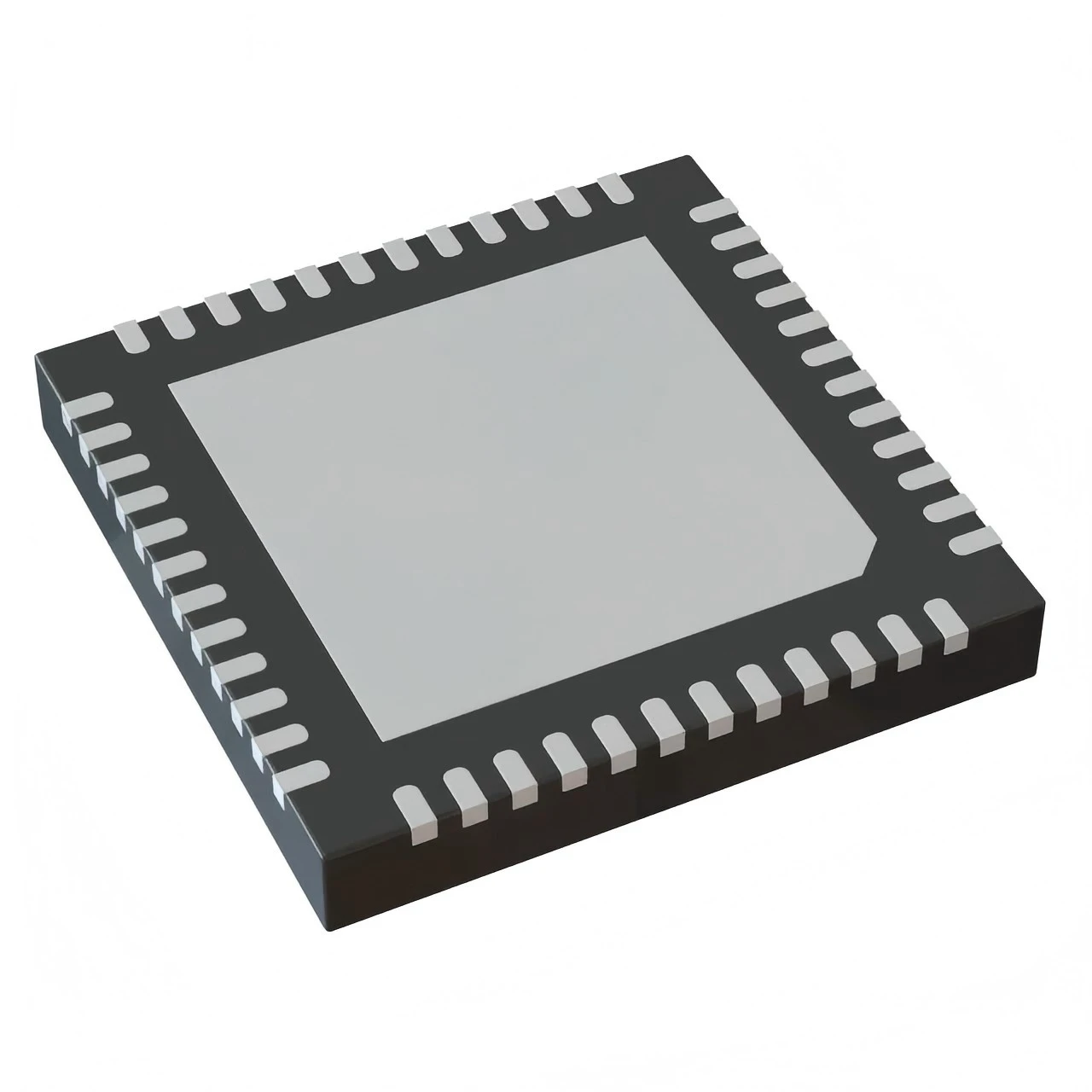
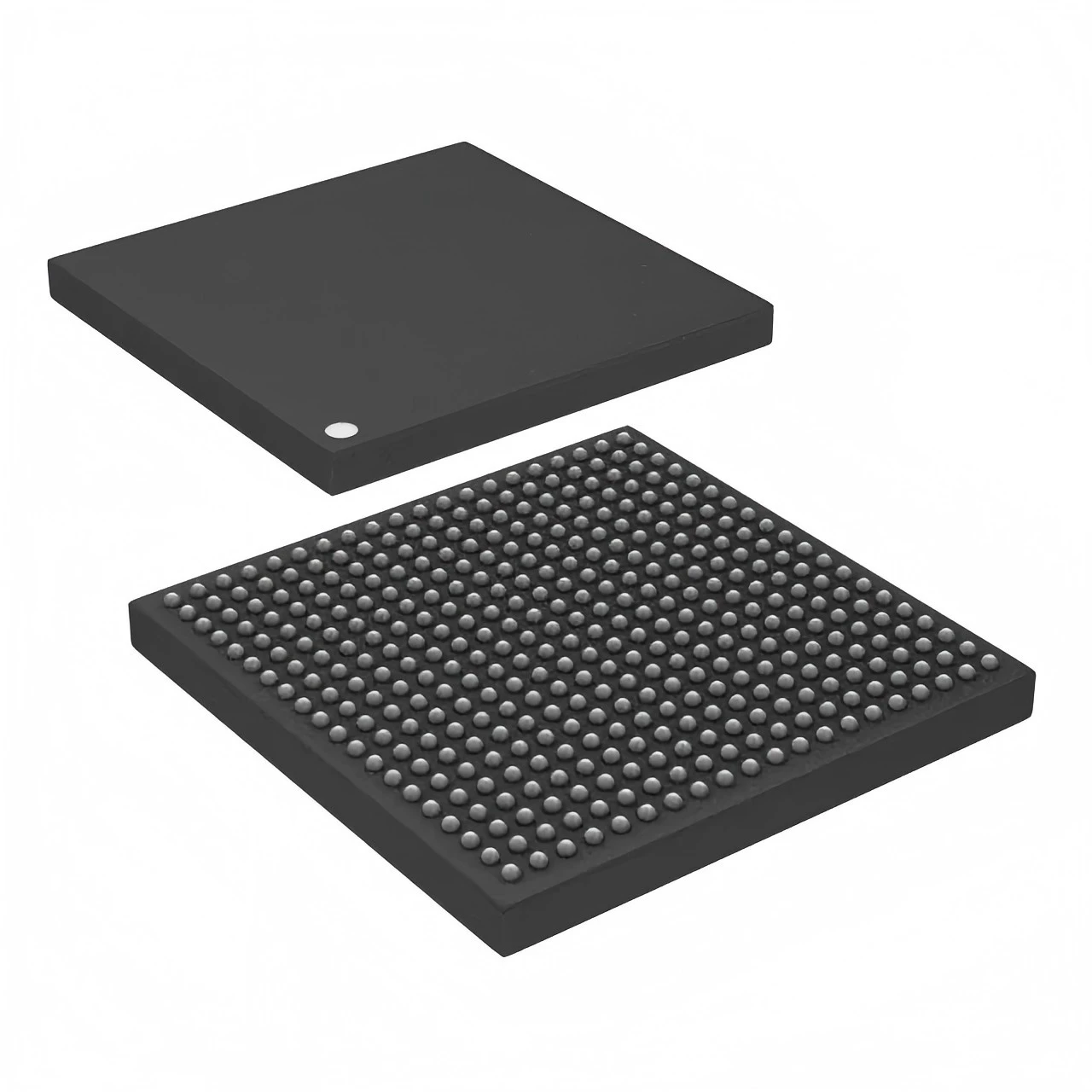
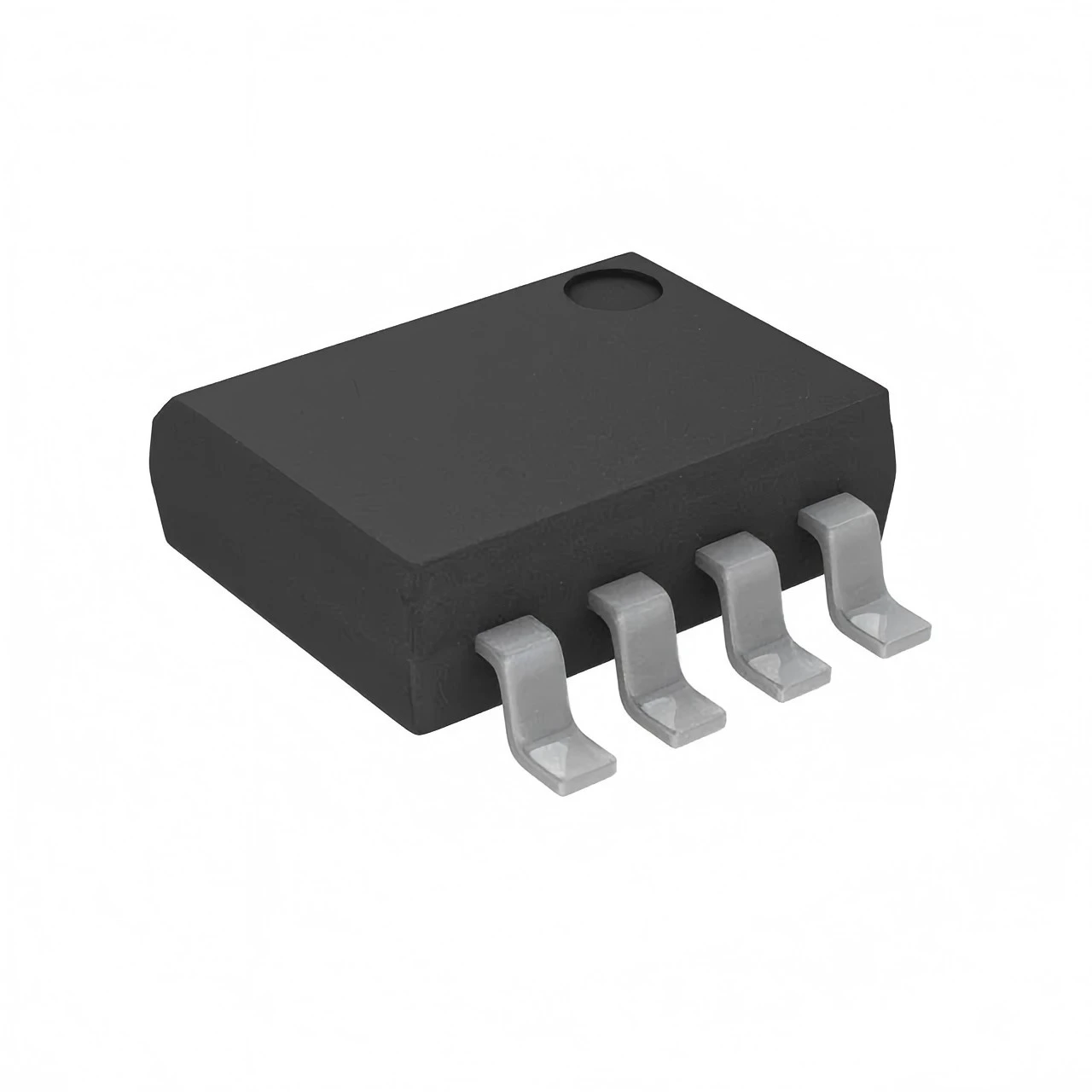
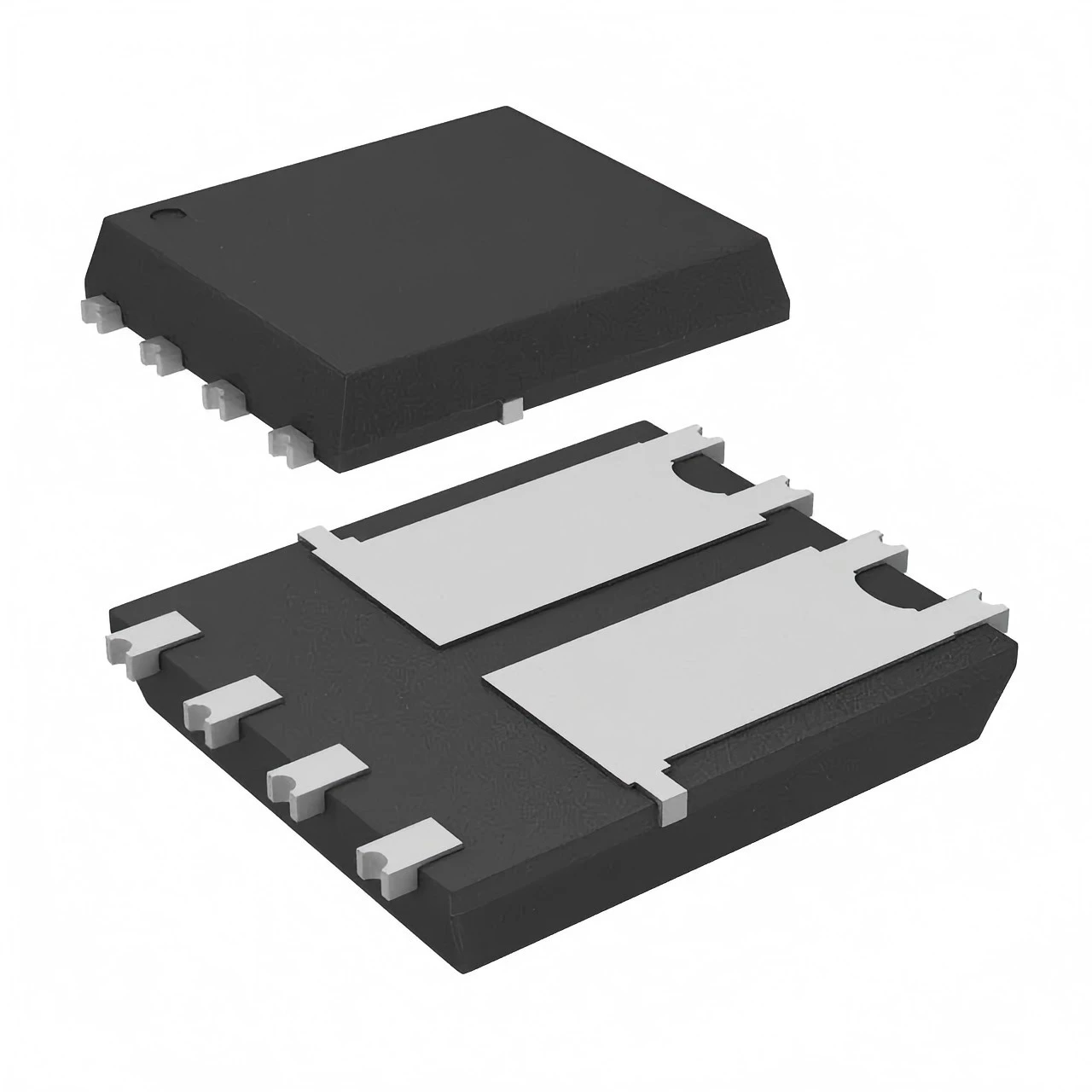
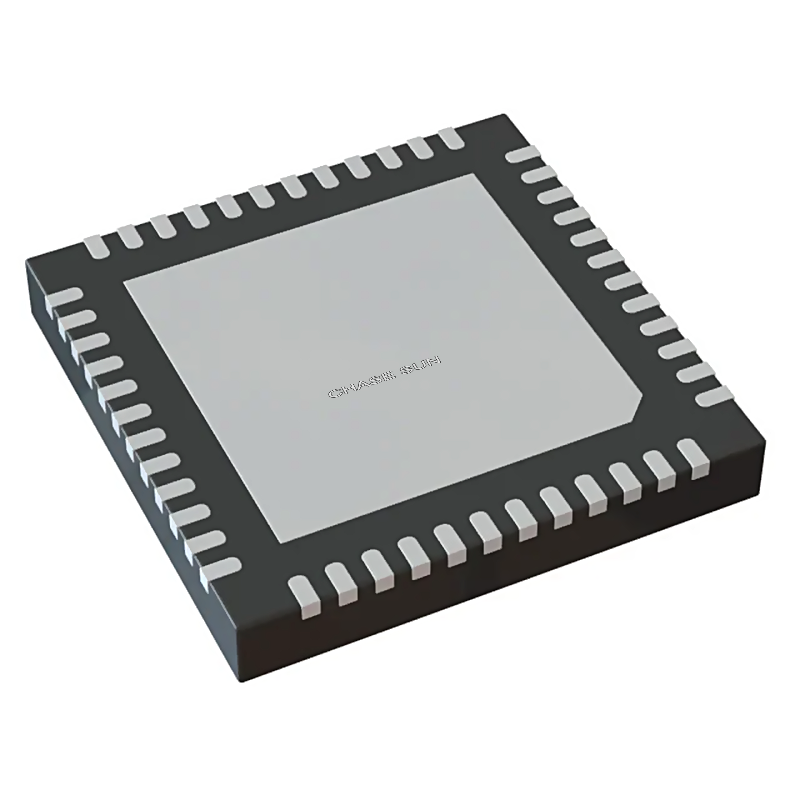
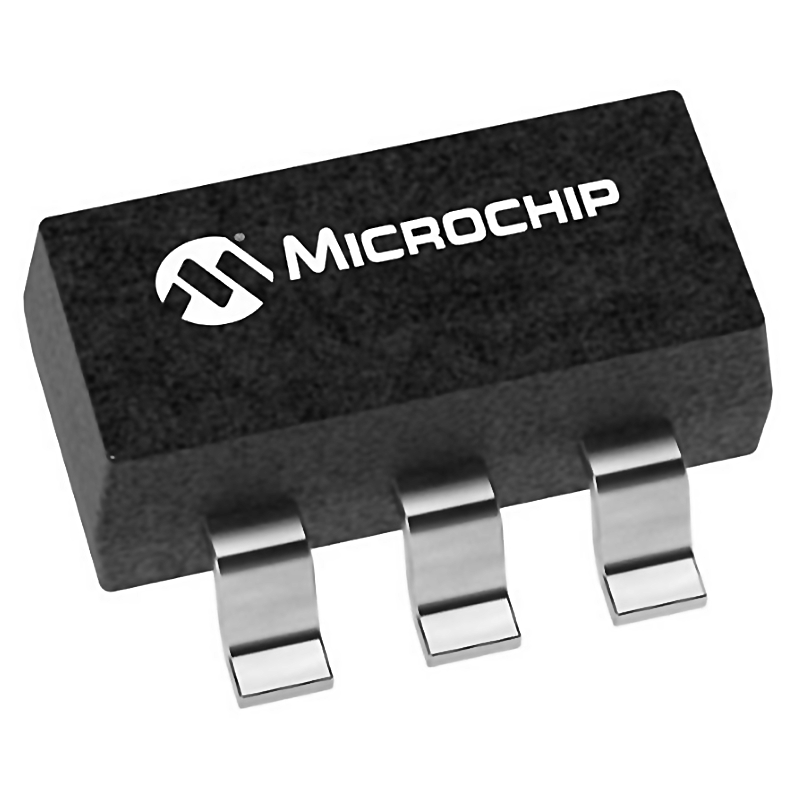
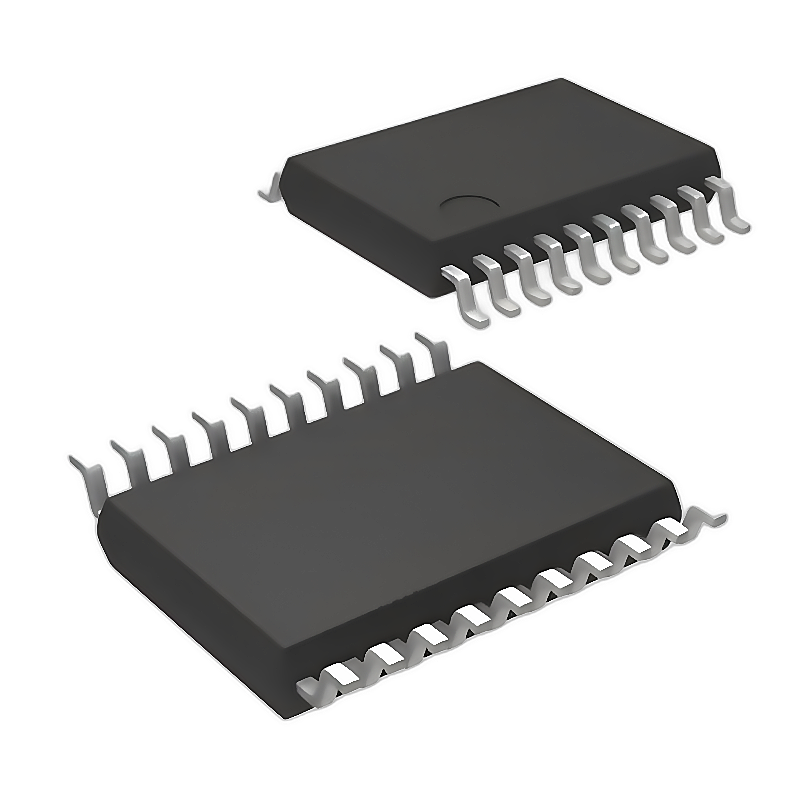
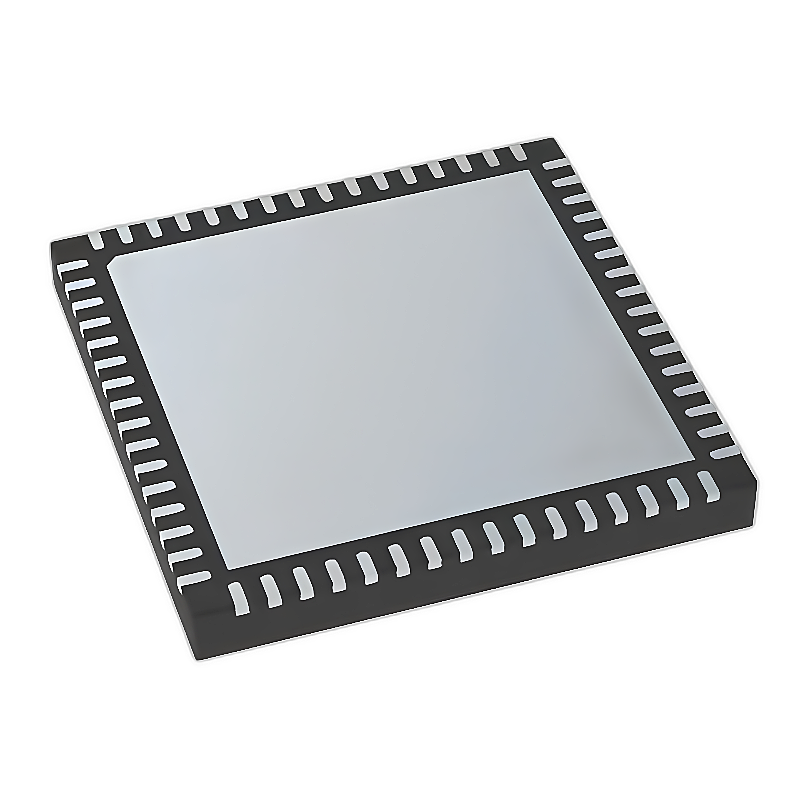
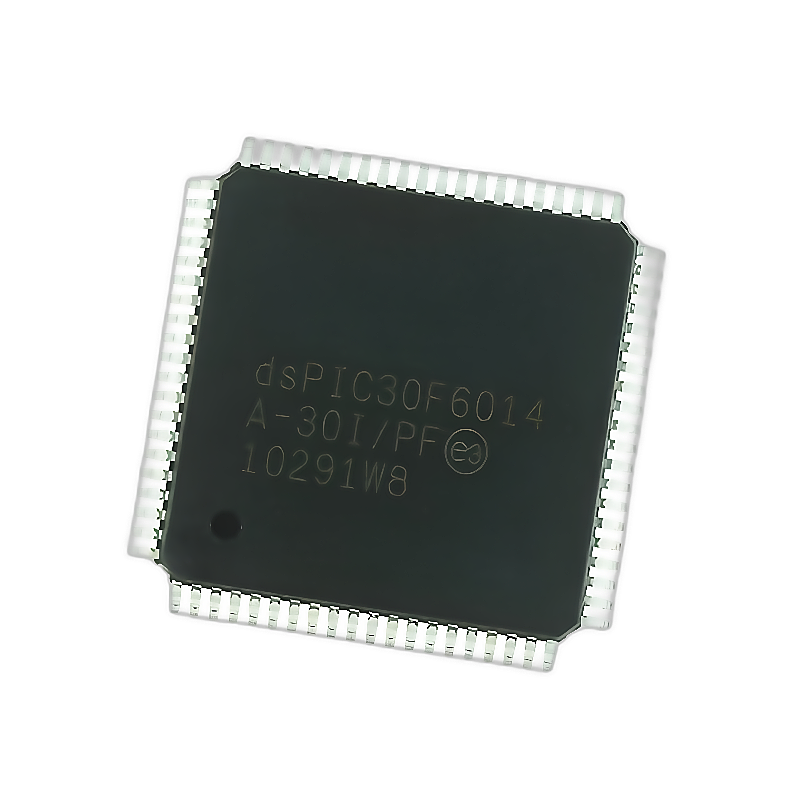
The MCU in car, or Microcontroller Unit, serves as the intelligent brain powering modern automotive systems. This compact yet powerful computing device controls and manages various vehicle functions, from engine performance to infotainment systems. The MCU in car processes real-time data from multiple sensors, executes complex algorithms, and coordinates communication between different electronic control units throughout the vehicle. Modern automotive MCUs feature advanced processing capabilities, including multi-core architectures, enhanced memory capacity, and robust communication interfaces such as CAN, LIN, and FlexRay protocols. These technological components enable seamless integration of safety systems, driver assistance features, and entertainment platforms. The MCU in car plays a crucial role in electric vehicle battery management, autonomous driving capabilities, and connected car technologies. Applications span across powertrain control, body electronics, advanced driver assistance systems (ADAS), instrument clusters, and climate control systems. With the automotive industry's shift toward electrification and autonomous driving, the MCU in car has become increasingly sophisticated, incorporating artificial intelligence capabilities and supporting over-the-air updates. These microcontrollers must meet stringent automotive standards, including AEC-Q100 qualification, ensuring reliability in extreme temperatures, vibrations, and electromagnetic interference conditions. The MCU in car represents the foundation of modern vehicle intelligence, enabling manufacturers to deliver safer, more efficient, and highly connected driving experiences.
Choosing an advanced MCU in car solution delivers significant practical benefits for vehicle manufacturers and end users alike. First, these microcontrollers dramatically improve vehicle safety by enabling rapid processing of sensor data, allowing immediate responses to potential hazards through collision avoidance systems and automatic emergency braking. The processing speed and reliability of the MCU in car ensure that critical safety functions operate without delay, potentially saving lives in emergency situations. Second, fuel efficiency and performance optimization become achievable through precise engine management and transmission control, where the MCU in car continuously adjusts parameters based on driving conditions, reducing emissions and improving overall vehicle economy. Third, enhanced user experience emerges through sophisticated infotainment systems, digital instrument clusters, and connectivity features that modern drivers expect, all managed efficiently by the MCU in car architecture. Fourth, cost-effectiveness materializes through system integration, where a single powerful microcontroller can replace multiple separate control units, reducing wiring complexity, weight, and manufacturing expenses. Fifth, the MCU in car supports future-proofing through its capability for software updates and feature additions without hardware changes, extending vehicle lifespan and maintaining technological relevance. Maintenance becomes simpler as diagnostic capabilities embedded within the MCU in car enable precise fault detection and troubleshooting, reducing repair time and costs. Energy management benefits electric and hybrid vehicles particularly, where the MCU in car optimizes battery usage, charging cycles, and power distribution across vehicle systems, maximizing range and battery longevity while ensuring optimal performance under varying driving conditions.

Latest News

Why do engineers choose mosfet transistor devices for power management designs?

12

Jun

Why do engineers choose mosfet transistor devices for power management designs?

View More
Why are ic solutions essential for modern power and control systems?

12

Jun

Why are ic solutions essential for modern power and control systems?

View More
How does a power management ic improve efficiency in automotive electronics?

12

Jun

How does a power management ic improve efficiency in automotive electronics?

View More
Can a power management ic reduce heat generation in industrial systems?

12

Jun

Can a power management ic reduce heat generation in industrial systems?

View More
Real-Time Processing Power for Safety-Critical Applications

Real-Time Processing Power for Safety-Critical Applications

The MCU in car excels in delivering exceptional real-time processing capabilities essential for safety-critical automotive applications. Modern microcontrollers feature multi-core architectures with clock speeds exceeding 300 MHz, enabling simultaneous execution of multiple tasks without compromising response times. This processing power proves invaluable for advanced driver assistance systems where milliseconds matter in detecting obstacles, pedestrians, or sudden road hazards. The MCU in car manages complex sensor fusion algorithms, combining data from cameras, radar, lidar, and ultrasonic sensors to create comprehensive environmental awareness. Hardware-based safety mechanisms, including error correction codes, memory protection units, and redundant processing cores, ensure fail-safe operation even under extreme conditions. The architecture supports ISO 26262 functional safety standards up to ASIL-D levels, the highest automotive safety integrity classification. Deterministic execution guarantees predictable timing for critical functions like airbag deployment, brake control, and steering assistance. This reliability transforms the MCU in car into a trusted guardian, constantly monitoring vehicle systems and driver inputs to prevent accidents before they occur, providing peace of mind for drivers and passengers while meeting stringent regulatory requirements worldwide.
Comprehensive Connectivity and Communication Protocols

Comprehensive Connectivity and Communication Protocols

The MCU in car stands out through its extensive connectivity capabilities, supporting multiple automotive communication protocols simultaneously. Built-in CAN FD controllers enable high-speed data transfer between electronic control units at rates up to 8 Mbps, while LIN interfaces manage cost-effective communication with simpler devices like seat controls and lighting systems. Advanced MCUs incorporate Ethernet connectivity supporting speeds up to 1 Gbps, essential for bandwidth-intensive applications such as high-resolution camera feeds and over-the-air updates. The MCU in car also integrates wireless communication modules including Bluetooth, Wi-Fi, and cellular connectivity, enabling smartphone integration, cloud-based services, and vehicle-to-everything (V2X) communication. Security remains paramount, with hardware encryption engines, secure boot mechanisms, and intrusion detection systems protecting against cyber threats. This comprehensive connectivity ecosystem allows the MCU in car to serve as the central communication hub, facilitating seamless data exchange between internal vehicle systems and external infrastructure. Manufacturers benefit from standardized interfaces that simplify system integration, while users enjoy enhanced features like remote diagnostics, predictive maintenance alerts, and seamless smartphone integration that transforms vehicles into connected mobile platforms.
Energy Efficiency and Thermal Management Excellence

Energy Efficiency and Thermal Management Excellence

The MCU in car demonstrates remarkable energy efficiency, crucial for both conventional and electric vehicles where power consumption directly impacts fuel economy and driving range. Advanced power management features enable dynamic voltage and frequency scaling, adjusting processor performance based on workload demands to minimize unnecessary energy consumption. Multiple low-power modes allow the MCU in car to reduce current draw to microamperes during vehicle standby periods, preserving battery charge while maintaining essential functions like security systems and remote access capabilities. Intelligent wake-up mechanisms ensure rapid system activation when needed without wasting energy during idle periods. Thermal management capabilities prove equally impressive, with operating temperature ranges typically spanning from minus 40 to 150 degrees Celsius, ensuring reliable operation in extreme climates from arctic cold to desert heat. Integrated temperature sensors and thermal protection circuits prevent overheating damage while maintaining optimal performance. The MCU in car achieves this efficiency through advanced semiconductor manufacturing processes, often utilizing 28nm or smaller technology nodes that reduce power consumption while increasing processing capability. This energy-conscious design benefits electric vehicles particularly, where every watt saved extends driving range, while also supporting environmental sustainability goals by reducing overall vehicle energy consumption and carbon footprint.