automotive qualified mcu
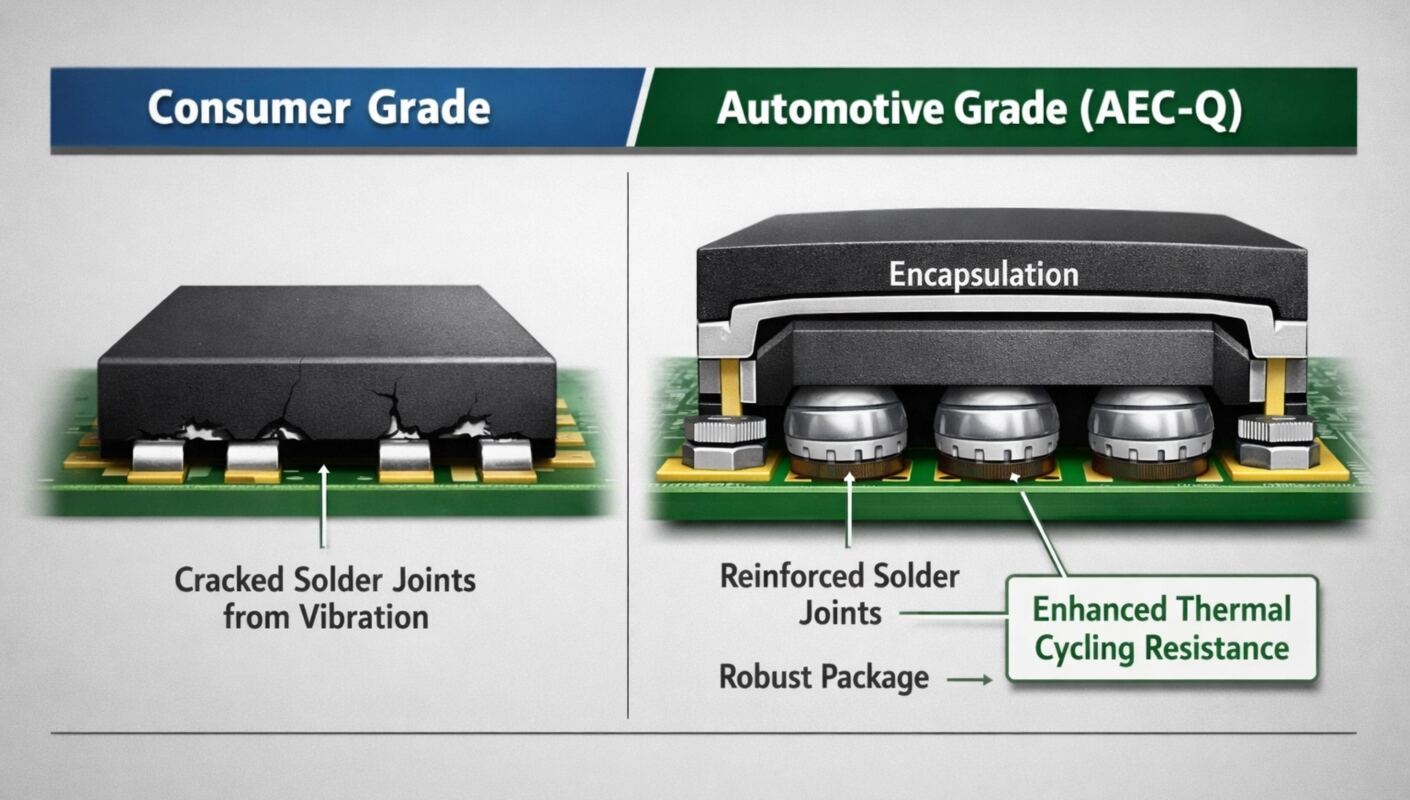
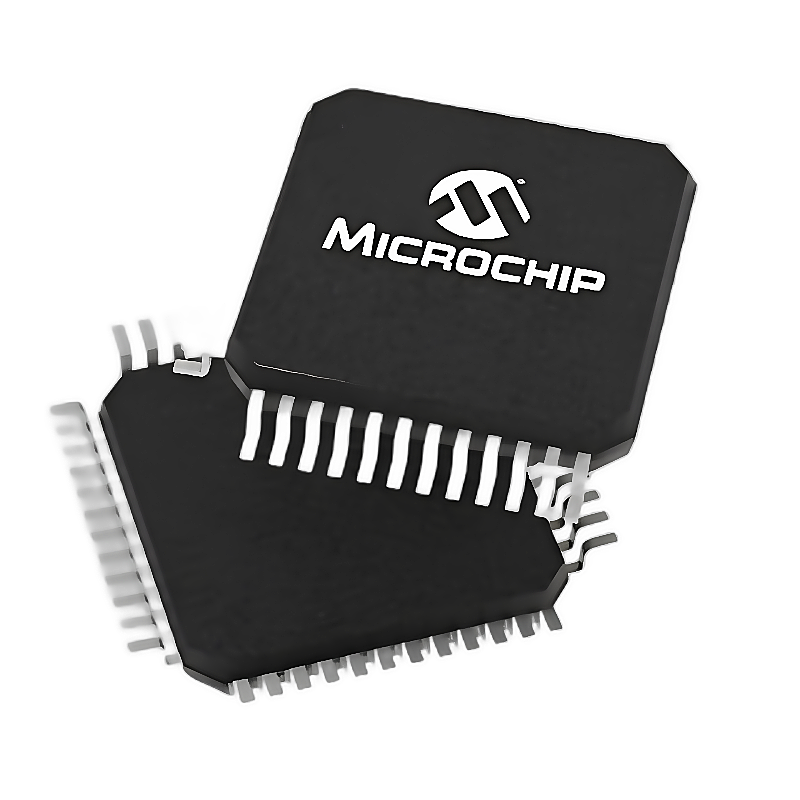
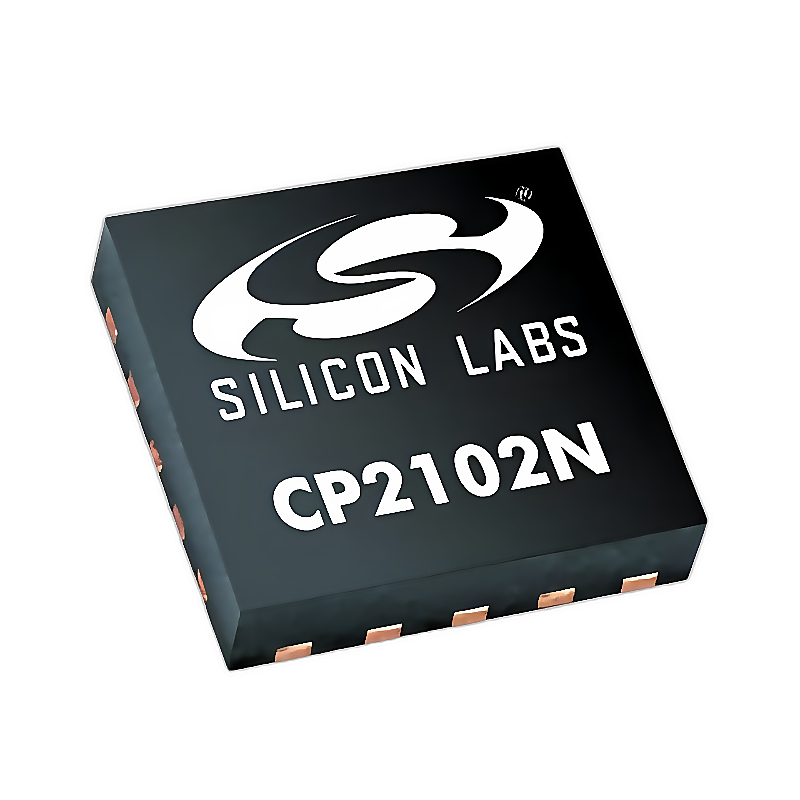
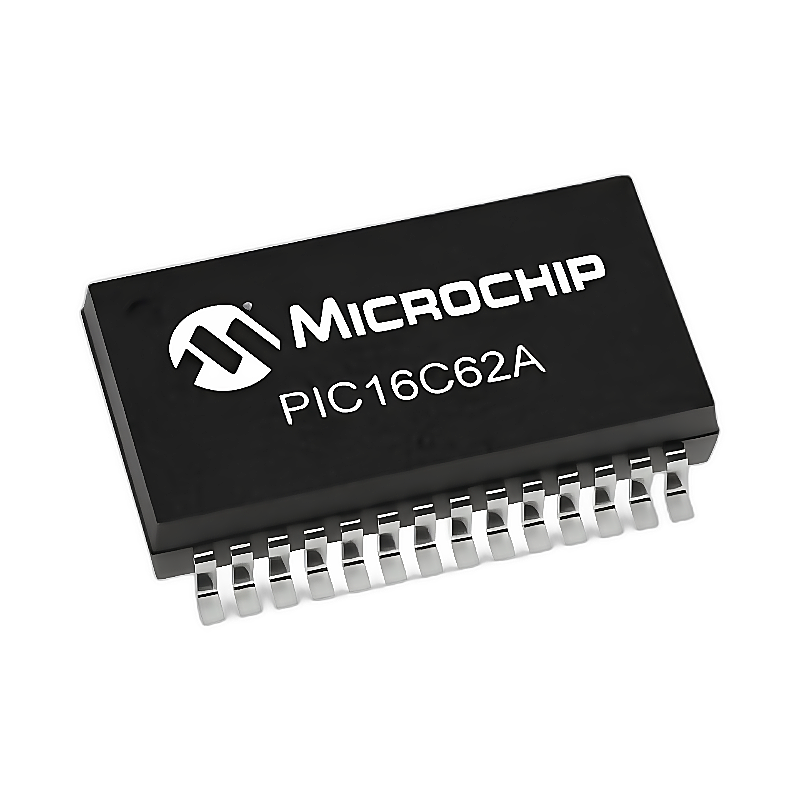
An automotive qualified mcu represents a microcontroller unit specifically designed and rigorously tested to meet the demanding requirements of automotive applications. These specialized processors serve as the brain behind critical vehicle systems, managing everything from engine control and transmission operations to advanced driver assistance systems and infotainment platforms. Unlike standard microcontrollers, an automotive qualified mcu undergoes extensive validation processes to ensure reliable performance under extreme temperatures, vibrations, electromagnetic interference, and harsh environmental conditions typical in automotive environments. These microcontrollers comply with stringent automotive standards such as AEC-Q100 and ISO 26262 functional safety requirements, guaranteeing durability and dependability throughout the vehicle's lifecycle. The automotive qualified mcu integrates multiple functionalities including analog-to-digital converters, communication interfaces like CAN, LIN, and FlexRay, along with dedicated safety mechanisms and memory protection units. Modern automotive qualified mcu variants support real-time processing capabilities essential for time-critical applications such as anti-lock braking systems, electronic stability control, and autonomous driving features. These processors operate across wide temperature ranges from negative forty to one hundred fifty degrees Celsius, ensuring consistent performance regardless of climate or operating conditions. With automotive electronics becoming increasingly complex, the automotive qualified mcu provides the computational power, connectivity, and reliability necessary to support next-generation vehicle architectures, including electric vehicles, connected cars, and autonomous mobility solutions. Their robust design and certification make them indispensable components in creating safer, smarter, and more efficient transportation systems.