MCU in Automotive: Advanced Control Solutions

Your Trusted Partner in Electronics Supply Chain. Inquire Now!

Explore Our Latest Smart Electronics Collection.

, , 
Inquiry
Inquiry

mcu in automotive

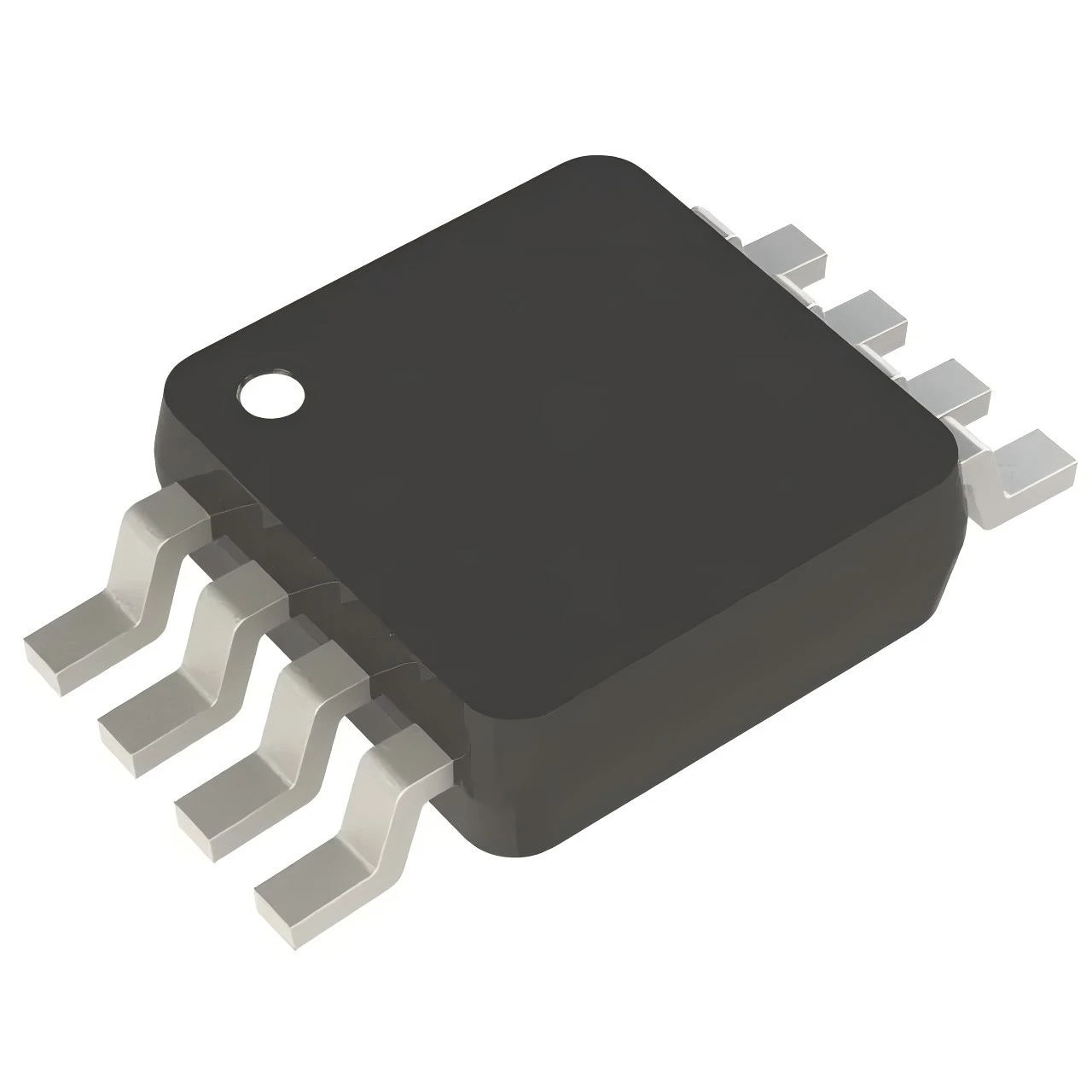
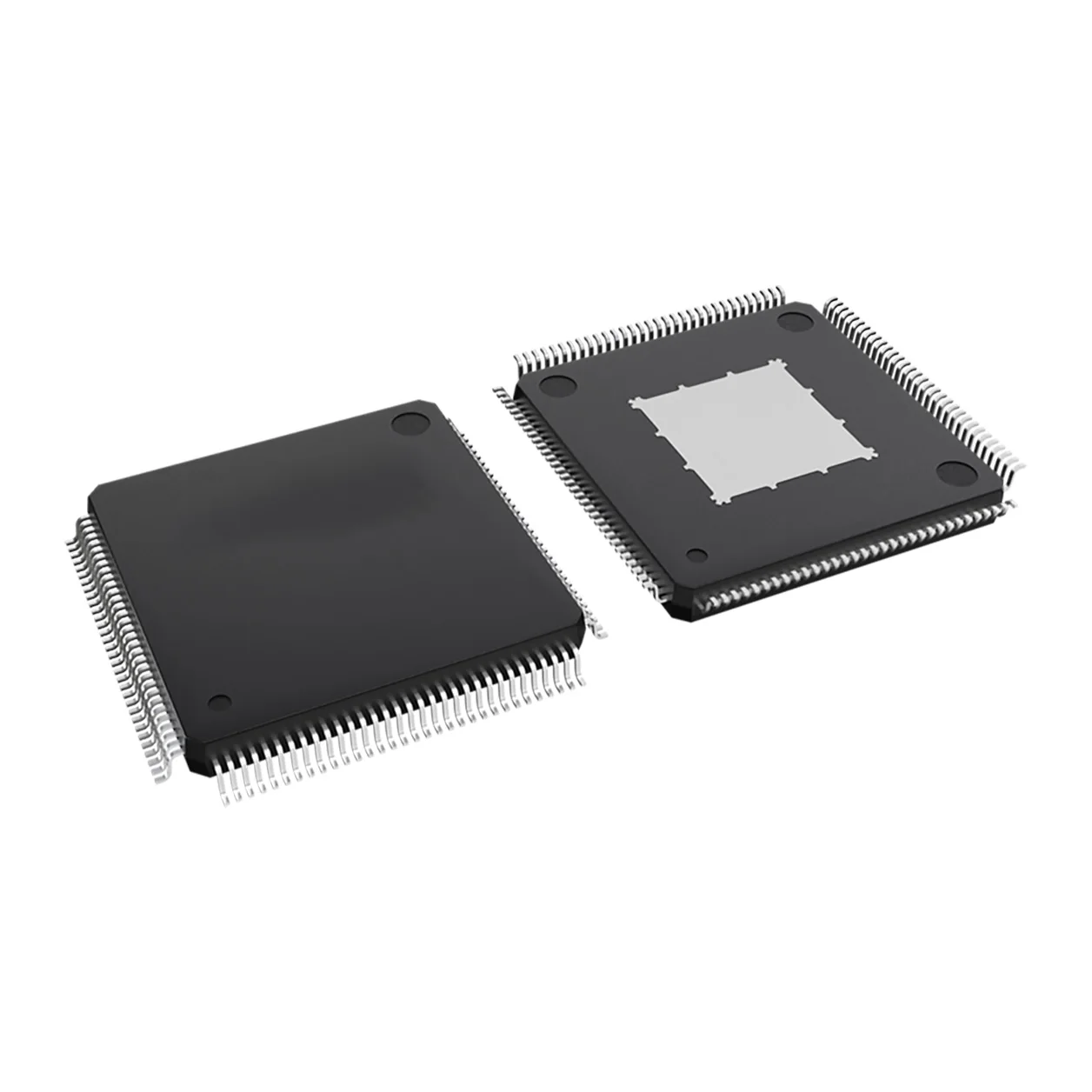
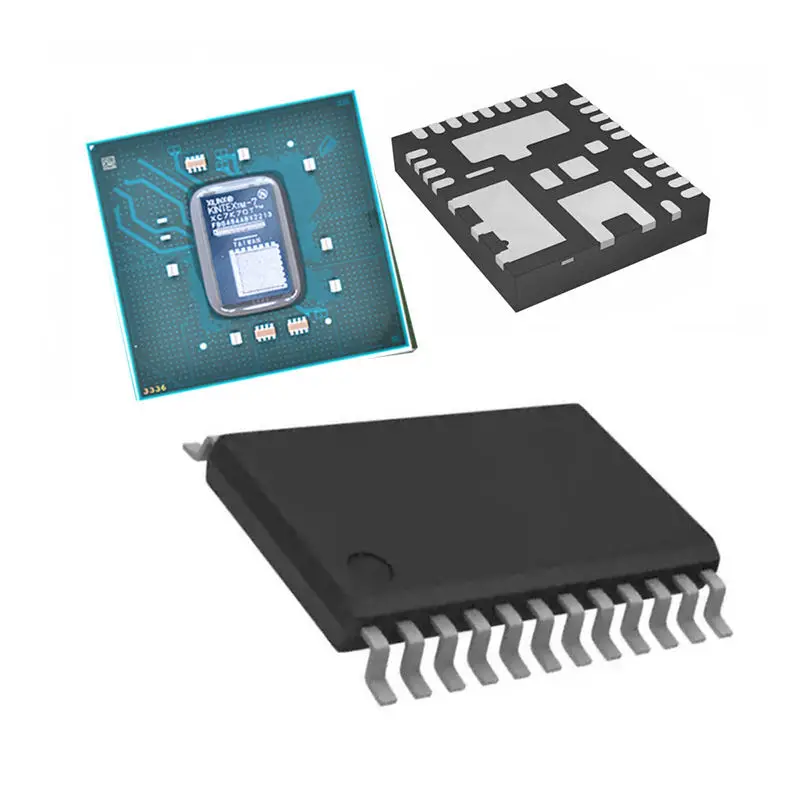
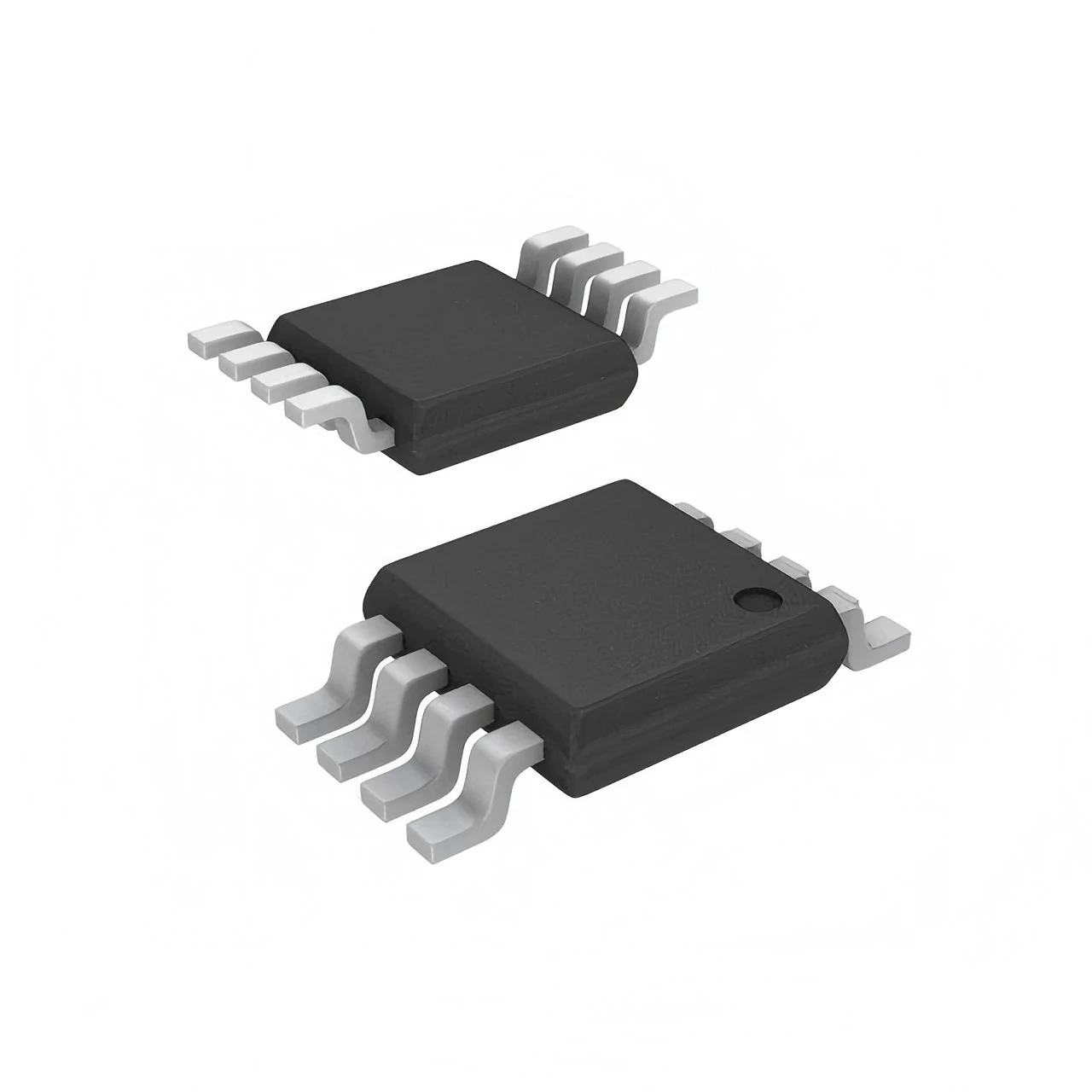
The MCU in automotive systems serves as the central processing unit that controls and manages various electronic functions throughout modern vehicles. An MCU in automotive applications acts as the brain behind critical operations, from engine management and transmission control to advanced driver assistance systems and infotainment interfaces. These microcontroller units process sensor data in real-time, execute complex algorithms, and coordinate communication between different vehicle subsystems. The MCU in automotive environments must meet stringent safety standards and operate reliably under extreme conditions including temperature fluctuations, vibrations, and electromagnetic interference. Modern vehicles typically contain multiple MCUs, each dedicated to specific tasks such as body control, powertrain management, safety systems, and connectivity features. The MCU in automotive technology has evolved to support increasingly sophisticated functionalities including autonomous driving features, electric vehicle management, and vehicle-to-everything communication. These processors integrate various peripherals including analog-to-digital converters, communication interfaces, memory controllers, and specialized co-processors for enhanced performance. As vehicles become more electrified and connected, the MCU in automotive design continues to advance with higher processing speeds, improved energy efficiency, and enhanced security features to protect against cyber threats while maintaining the reliability and safety standards essential for automotive applications.
Choosing the right MCU in automotive systems delivers multiple practical benefits that directly impact vehicle performance, safety, and user experience. First, these specialized processors provide real-time processing capabilities that ensure immediate response to critical driving situations, enhancing passenger safety through faster reaction times in braking systems, stability control, and collision avoidance features. The MCU in automotive applications offers exceptional reliability with automotive-grade certification, meaning it operates consistently across extreme temperatures from minus forty to one hundred fifty degrees Celsius, ensuring your vehicle functions properly in any climate. Energy efficiency represents another significant advantage, as modern MCUs consume minimal power while delivering maximum performance, which proves especially valuable in electric vehicles where every watt contributes to extended driving range. Integration capabilities allow a single MCU in automotive systems to manage multiple functions simultaneously, reducing the overall number of components needed, lowering production costs, and improving system coordination. These processors provide scalability for future upgrades, enabling manufacturers to add new features through software updates without hardware changes. The robust security features built into automotive MCUs protect against hacking attempts and unauthorized access, safeguarding both personal data and vehicle control systems. Cost-effectiveness emerges from their long operational lifespan, typically exceeding fifteen years, matching vehicle longevity expectations while requiring minimal maintenance. The standardized communication protocols supported by the MCU in automotive platforms ensure seamless integration with existing vehicle architectures and aftermarket accessories, providing flexibility for customization and expansion.

Practical Tips

What are Automotive-Grade Electronic Components? A Deep Dive into AEC-Q Standards and IATF 16949 Compliance

03

Apr

What are Automotive-Grade Electronic Components? A Deep Dive into AEC-Q Standards and IATF 16949 Compliance

View More
What advantages do ic solutions provide for embedded electronic system development?

12

Jun

What advantages do ic solutions provide for embedded electronic system development?

View More
How do ic solutions improve integration in automotive and industrial electronics?

12

Jun

How do ic solutions improve integration in automotive and industrial electronics?

View More
Is a dc contactor suitable for high-current switching in industrial systems?

12

Jun

Is a dc contactor suitable for high-current switching in industrial systems?

View More
Real-Time Processing Power for Safety-Critical Functions

Real-Time Processing Power for Safety-Critical Functions

The MCU in automotive applications delivers exceptional real-time processing capabilities essential for safety-critical vehicle functions that require immediate responses without delay. These microcontrollers execute millions of instructions per second while managing multiple simultaneous tasks including monitoring sensor inputs, calculating optimal control parameters, and activating safety mechanisms within milliseconds. This processing speed proves crucial for anti-lock braking systems that must modulate brake pressure hundreds of times per second, electronic stability control that continuously adjusts individual wheel torque, and airbag deployment systems that must analyze crash data and trigger deployment in under twenty milliseconds. The deterministic nature of automotive MCUs ensures predictable response times, eliminating the uncertainty that could compromise safety in emergency situations. Advanced interrupt handling and priority management allow the MCU in automotive systems to respond instantly to critical events while continuing to manage less urgent background tasks, maintaining overall system stability and performance under all operating conditions.
Automotive-Grade Reliability and Environmental Resilience

Automotive-Grade Reliability and Environmental Resilience

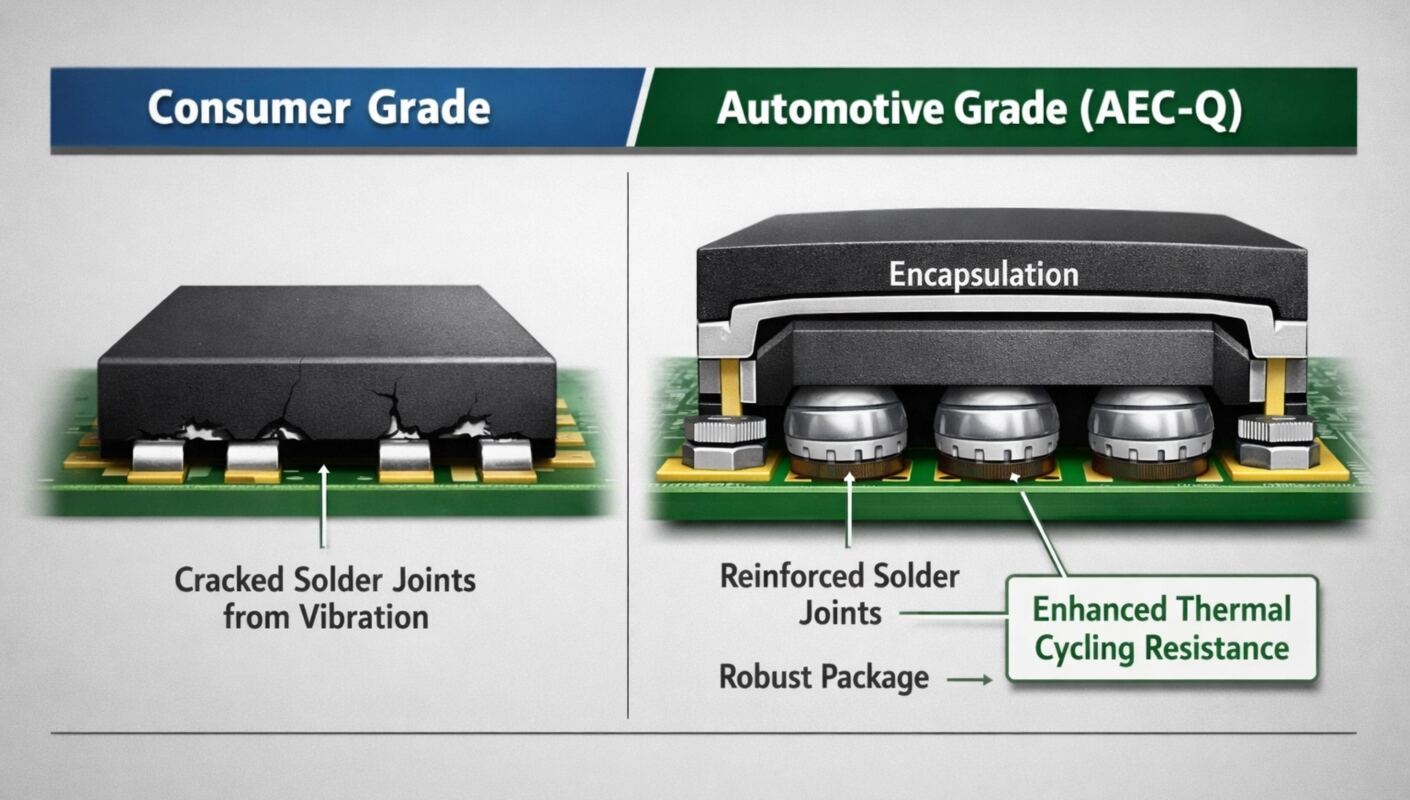
The MCU in automotive designs undergoes rigorous qualification processes to achieve automotive-grade certification, ensuring unmatched reliability in harsh operating environments that would challenge standard electronics. These processors withstand extreme temperature variations, continuous vibration, humidity, dust exposure, and electromagnetic interference from surrounding electrical systems without performance degradation. Automotive MCUs feature extended temperature ranges supporting operation from negative forty to positive one hundred fifty degrees Celsius, accommodating engine compartment placement and operation in extreme climates. Enhanced error detection and correction mechanisms continuously monitor system integrity, identifying potential failures before they impact vehicle operation. Built-in redundancy and fail-safe modes ensure that even if components malfunction, the MCU in automotive applications maintains essential functions or transitions safely to a protected state. The robust construction includes radiation-hardened circuits that resist cosmic ray impacts, which could otherwise cause random bit flips in memory or processing errors. This exceptional durability translates to operational lifespans exceeding fifteen years with failure rates measured in parts per billion, providing the long-term reliability that automotive applications demand.
Comprehensive Integration and Communication Capabilities

Comprehensive Integration and Communication Capabilities

Modern MCU in automotive platforms incorporate extensive integration features that consolidate multiple functions onto a single chip, reducing system complexity while enhancing coordination between vehicle subsystems. These microcontrollers integrate specialized peripherals including high-resolution analog-to-digital converters for precise sensor measurement, pulse-width modulation generators for motor control, dedicated communication interfaces for networking, and hardware security modules for cryptographic operations. The MCU in automotive networks supports industry-standard communication protocols including CAN, LIN, FlexRay, and Ethernet, enabling seamless data exchange between different control units throughout the vehicle architecture. This multi-protocol capability allows a single MCU to serve as a gateway, translating messages between different network segments and coordinating actions across domains. Integrated memory controllers manage both program storage and data buffering efficiently, while hardware accelerators handle computationally intensive tasks like signal processing and cryptography without burdening the main processor. The high level of integration reduces the total component count, lowering manufacturing costs, improving reliability by minimizing interconnections, and decreasing power consumption, which proves particularly valuable in battery-powered electric vehicles where efficiency directly impacts driving range.