booster sensor
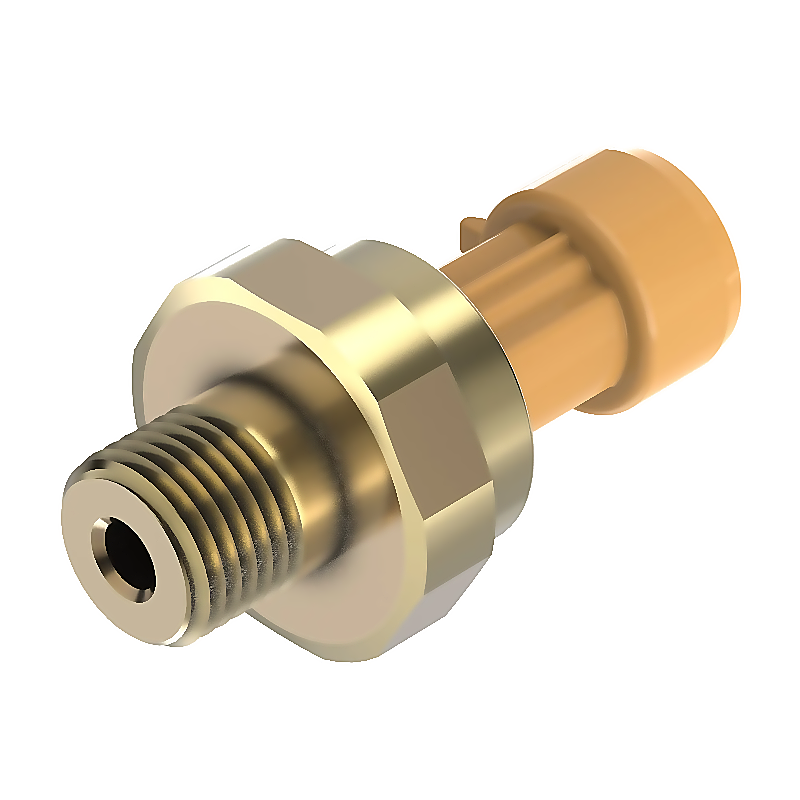
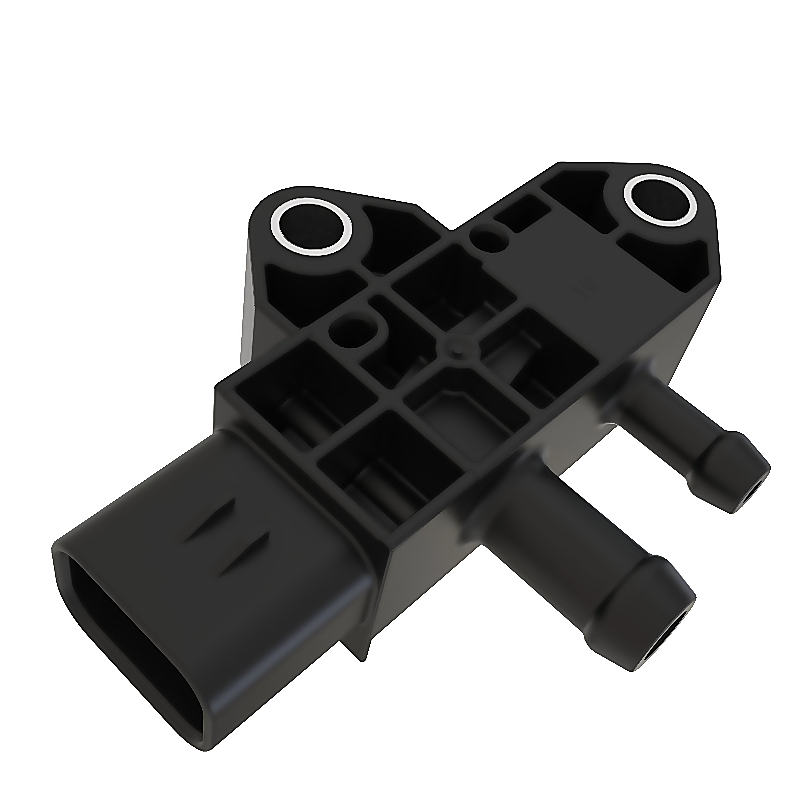
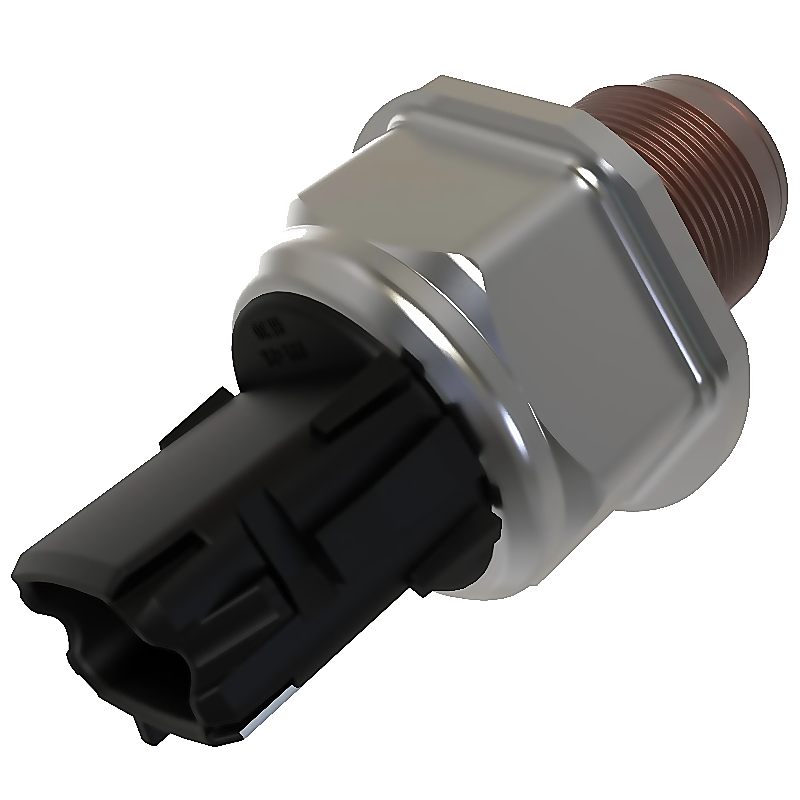
A booster sensor is a critical automotive component designed to monitor and measure the performance of brake boosters in modern vehicles. This advanced sensor plays a vital role in ensuring optimal braking system functionality by continuously tracking vacuum pressure levels within the brake booster assembly. The booster sensor transmits real-time data to the vehicle's electronic control unit, enabling precise management of brake assist functions and overall vehicle safety. Modern booster sensor technology incorporates sophisticated pressure transducers and electronic circuitry that deliver accurate readings under varying operating conditions. These sensors are engineered to withstand extreme temperatures, vibrations, and environmental stresses commonly encountered in automotive applications. The primary function of a booster sensor includes detecting vacuum leaks, monitoring booster performance degradation, and alerting drivers to potential brake system issues before they become critical safety concerns. Advanced booster sensor designs feature integrated diagnostics capabilities that work seamlessly with onboard vehicle diagnostic systems, allowing mechanics to quickly identify and resolve brake-related problems. The technological features of contemporary booster sensor units include high-precision measurement capabilities, rapid response times, and robust construction materials that ensure long-term reliability. Applications for booster sensor technology extend across passenger vehicles, commercial trucks, and specialty automotive equipment where reliable brake performance is essential. As vehicle safety standards continue to evolve, the booster sensor has become an indispensable component in modern brake system architectures, contributing significantly to accident prevention and driver confidence.