Digital Pressure Sensors: Precision Measurement

Your Trusted Partner in Electronics Supply Chain. Inquire Now!

Explore Our Latest Smart Electronics Collection.

, , 
Inquiry
Inquiry

digital pressure sensors

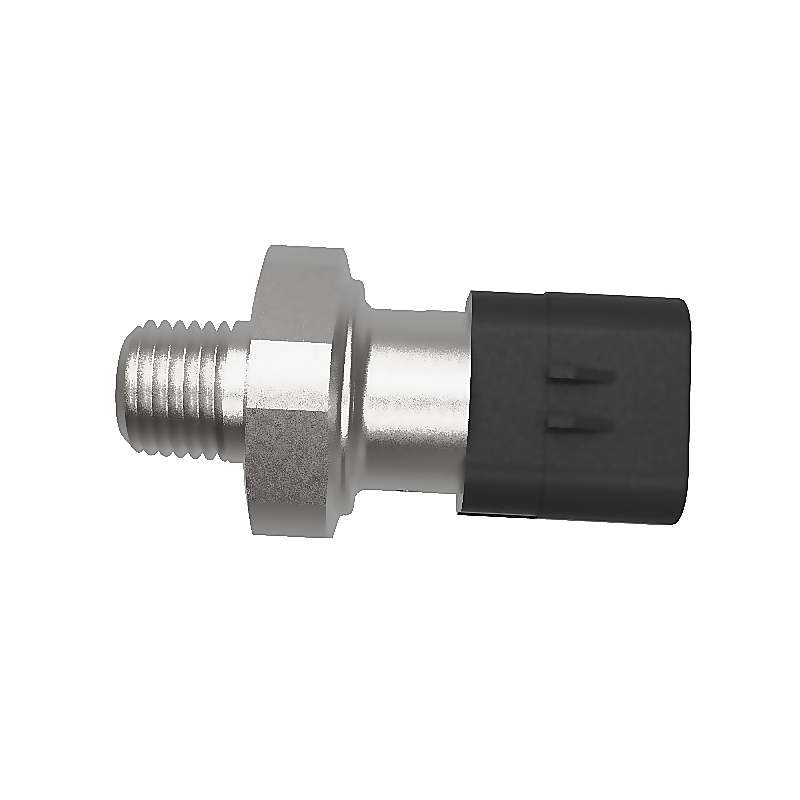
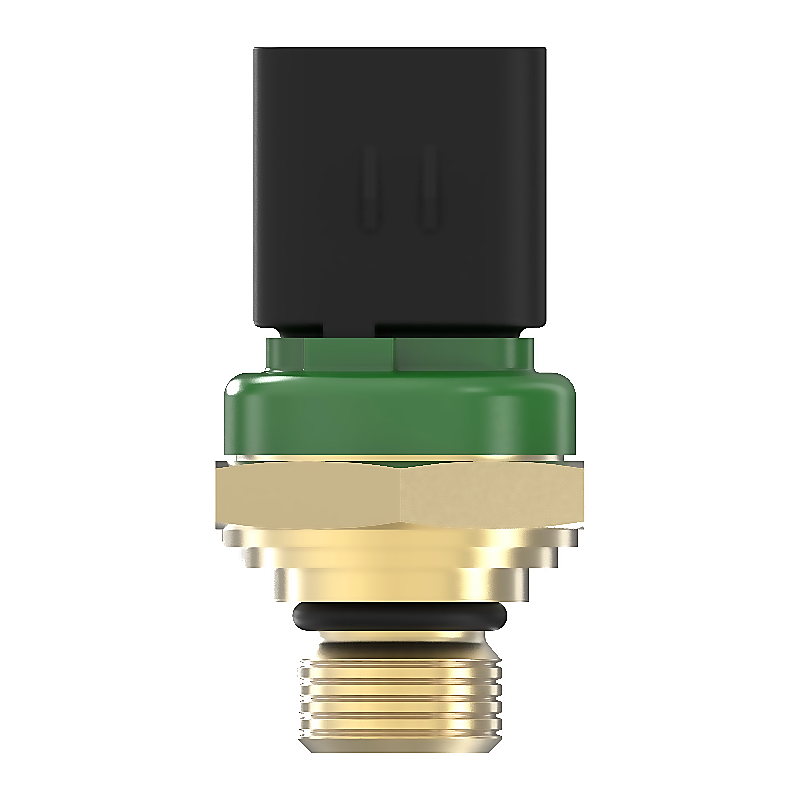
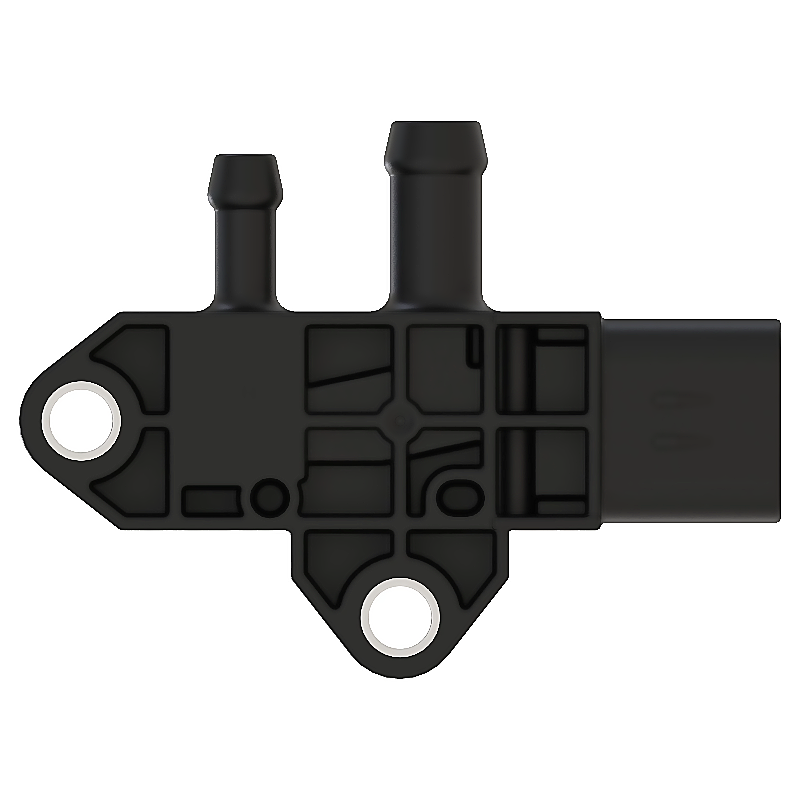
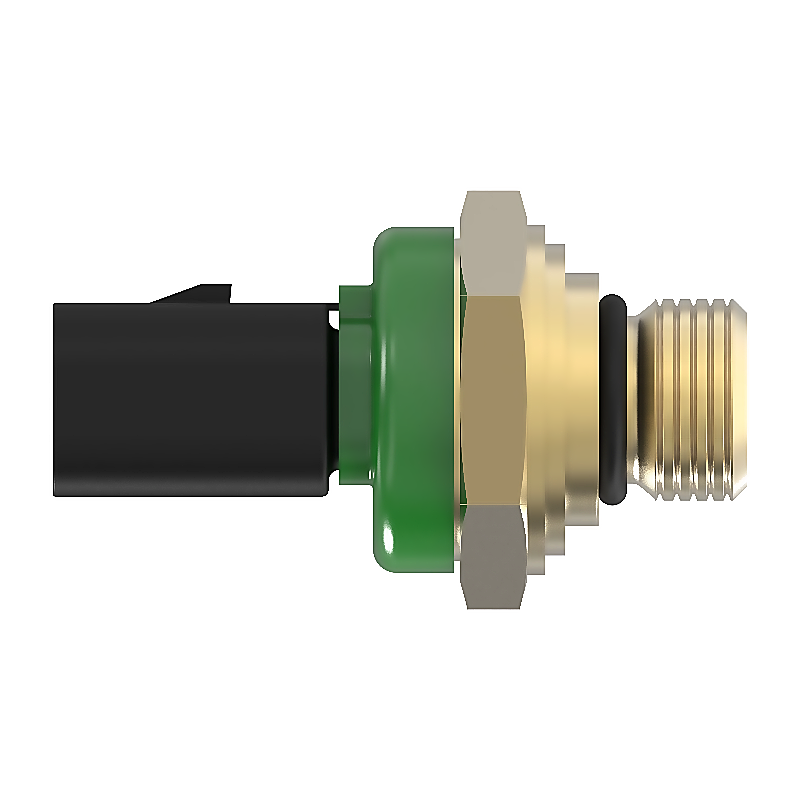
Digital pressure sensors represent advanced measurement technology that converts physical pressure into precise electronic signals for accurate monitoring and control applications. These sophisticated devices utilize microelectromechanical systems (MEMS) technology combined with integrated signal processing to deliver reliable, real-time pressure data across various industrial, automotive, medical, and consumer applications. Unlike traditional analog sensors, digital pressure sensors provide direct digital output, eliminating the need for additional signal conversion equipment. They measure pressure by detecting mechanical deformation of a sensing element, which generates electrical signals that are immediately converted into digital format through built-in analog-to-digital converters. The main functions include continuous pressure monitoring, threshold detection, data logging, and seamless integration with modern control systems and IoT platforms. Key technological features encompass high accuracy, excellent temperature compensation, programmable measurement ranges, and robust electromagnetic interference immunity. Digital pressure sensors offer multiple communication protocols such as I2C, SPI, and CAN bus, enabling straightforward integration into existing systems. Their compact design, low power consumption, and self-diagnostic capabilities make them ideal for space-constrained applications requiring long-term reliability. These sensors find extensive use in automotive tire pressure monitoring, HVAC systems, industrial process control, medical ventilators, weather stations, and hydraulic systems. The technology continues evolving with wireless connectivity, enhanced miniaturization, and improved energy efficiency, making digital pressure sensors indispensable components in modern automation and smart systems.
Investing in digital pressure sensors delivers substantial practical benefits that directly impact your operational efficiency and bottom line. These sensors provide exceptional measurement accuracy, typically within 0.1 percent of full scale, ensuring your processes maintain optimal performance without costly errors or waste. You receive data instantly in digital format, eliminating signal degradation issues common with analog transmission and reducing installation complexity since no external converters are required. The plug-and-play nature of digital pressure sensors significantly reduces setup time and training requirements, allowing your team to deploy solutions faster and with greater confidence. Temperature compensation built into digital pressure sensors ensures consistent readings across varying environmental conditions, providing reliable performance whether your application operates in freezing warehouses or hot industrial environments. You gain superior noise immunity compared to analog alternatives, meaning electromagnetic interference from motors, drives, or other equipment will not compromise measurement integrity. The programmable features allow you to customize alarm thresholds, sampling rates, and output formats to match your specific application needs without hardware modifications. Digital pressure sensors consume minimal power, extending battery life in portable applications and reducing energy costs in continuous monitoring systems. Their compact footprint saves valuable space in crowded control panels or confined installation locations. Self-diagnostic capabilities alert you to potential issues before they cause system failures, enabling predictive maintenance strategies that minimize downtime and repair costs. The digital communication protocols facilitate seamless integration with programmable logic controllers, building management systems, and cloud platforms, future-proofing your investment as your automation needs evolve. These combined advantages translate into lower total cost of ownership, improved product quality, enhanced safety, and competitive advantages in your market.

Latest News

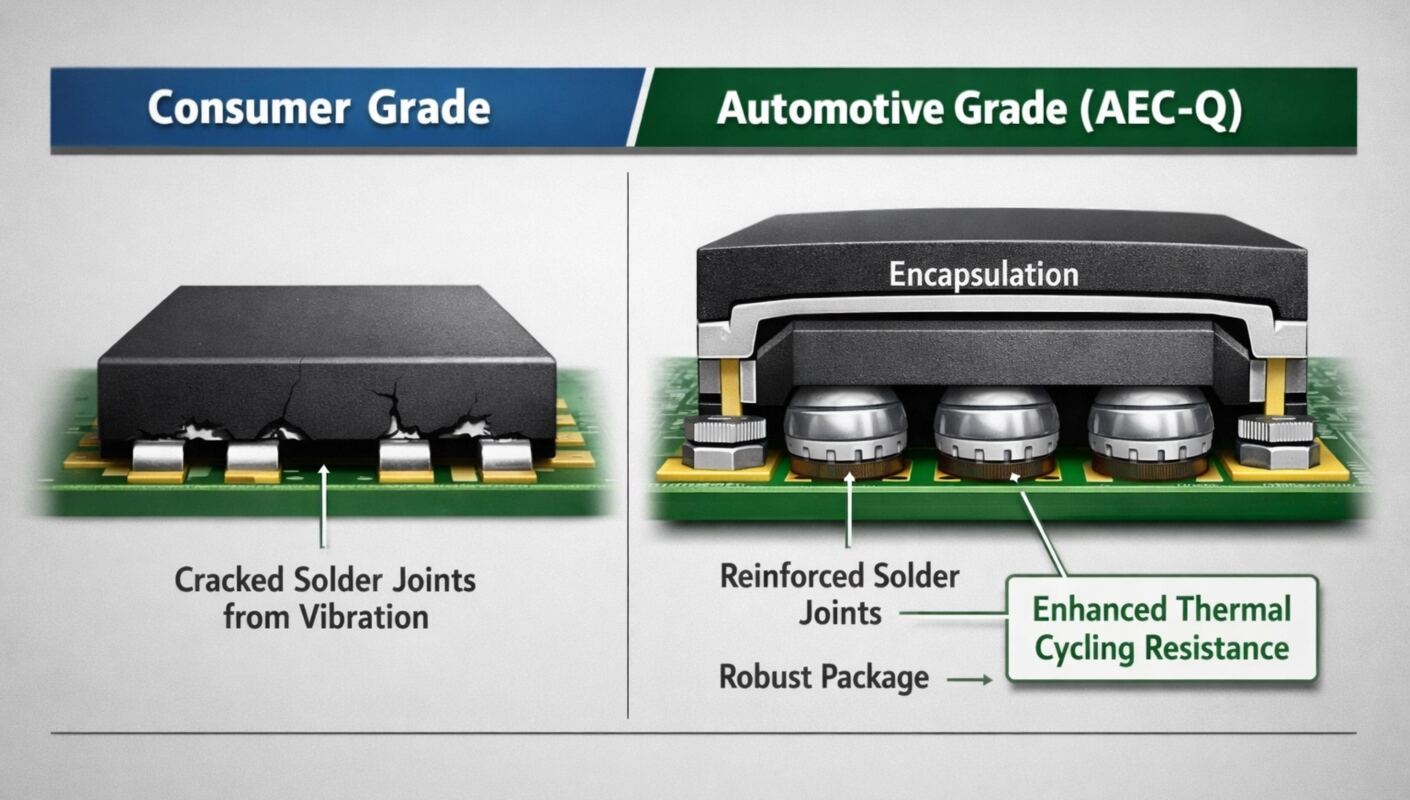
What are Automotive-Grade Electronic Components? A Deep Dive into AEC-Q Standards and IATF 16949 Compliance

03

Apr

What are Automotive-Grade Electronic Components? A Deep Dive into AEC-Q Standards and IATF 16949 Compliance

View More
What advantages do ic solutions provide for embedded electronic system development?

12

Jun

What advantages do ic solutions provide for embedded electronic system development?

View More
How does a mosfet transistor reduce energy loss in electronic equipment?

12

Jun

How does a mosfet transistor reduce energy loss in electronic equipment?

View More
How does a power management ic improve efficiency in automotive electronics?

12

Jun

How does a power management ic improve efficiency in automotive electronics?

View More
Superior Accuracy and Calibration Stability

Superior Accuracy and Calibration Stability

Digital pressure sensors deliver exceptional measurement precision that remains stable over extended periods, addressing critical quality control and safety requirements in demanding applications. The integrated digital signal processing eliminates cumulative errors associated with analog signal chains, providing consistent accuracy throughout the measurement range. Advanced silicon-based sensing elements respond linearly to pressure changes, while sophisticated algorithms compensate for temperature variations, aging effects, and non-linearity. Factory calibration data stored in non-volatile memory ensures each digital pressure sensor maintains its specified performance characteristics without periodic recalibration, reducing maintenance overhead and associated costs. This calibration stability proves invaluable in regulated industries where documentation and traceability are mandatory, as digital outputs provide auditable data trails. The sensors maintain accuracy specifications across wide temperature ranges, typically from negative forty to one hundred twenty-five degrees Celsius, ensuring reliable operation in harsh environments. Multi-point calibration and digital compensation techniques achieve accuracy levels previously attainable only with laboratory-grade instruments, democratizing precision measurement for everyday industrial applications. This superior accuracy translates directly into improved process control, reduced material waste, enhanced product consistency, and greater confidence in critical safety systems where pressure monitoring prevents catastrophic failures.
Simplified Integration and Smart Connectivity

Simplified Integration and Smart Connectivity

Digital pressure sensors streamline system integration through standardized communication protocols and intelligent features that reduce engineering time and complexity. Unlike analog sensors requiring dedicated signal conditioning circuits, digital pressure sensors connect directly to microcontrollers, industrial networks, and IoT gateways using common interfaces like I2C, SPI, or Modbus. This direct connectivity eliminates signal conditioning components, reduces wiring complexity, and minimizes potential failure points in your system architecture. Many digital pressure sensors include configurable digital filters, averaging functions, and programmable alarms that execute locally, reducing processing burden on central controllers. The sensors support multi-drop configurations where multiple devices share communication buses, significantly reducing installation costs in distributed monitoring applications. Advanced models offer wireless connectivity via Bluetooth or proprietary protocols, enabling retrofit installations where cabling is impractical or cost-prohibitive. Remote configuration capabilities allow technicians to adjust parameters, update firmware, and retrieve diagnostic information without physical access to installation locations, particularly valuable for hazardous or difficult-to-reach monitoring points. Standardized digital outputs ensure compatibility across different control platforms, protecting your investment when upgrading systems or switching suppliers. This connectivity flexibility accelerates deployment, simplifies troubleshooting, and enables sophisticated monitoring architectures that provide actionable insights for operational optimization and predictive maintenance strategies.
Enhanced Reliability and Environmental Robustness

Enhanced Reliability and Environmental Robustness

Digital pressure sensors incorporate design features that ensure dependable operation in challenging industrial environments where traditional sensors struggle. Solid-state construction with no moving parts eliminates mechanical wear, providing operational lifespans exceeding millions of pressure cycles without performance degradation. Hermetically sealed sensing elements protect against contamination from dust, moisture, and corrosive substances commonly encountered in manufacturing, chemical processing, and outdoor applications. The digital signal processing provides inherent immunity to electromagnetic interference that plagues analog systems in electrically noisy environments filled with variable frequency drives, welding equipment, and high-power machinery. Overpressure protection mechanisms safeguard sensing elements from damage during pressure spikes or improper installation, preventing costly sensor replacement and system downtime. Many digital pressure sensors meet stringent ingress protection ratings, withstanding direct water jets and complete submersion, making them suitable for washdown environments in food processing and pharmaceutical manufacturing. Wide operating temperature ranges and thermal shock resistance ensure consistent performance despite rapid temperature fluctuations during process startups or seasonal variations. Built-in diagnostics continuously monitor sensor health, detecting potential failures before they impact operations and triggering maintenance alerts through connected systems. This comprehensive environmental robustness reduces unplanned maintenance, extends service intervals, and provides the reliability necessary for critical safety applications and continuous process operations where sensor failure could result in significant production losses or safety incidents.