low pressure sensors
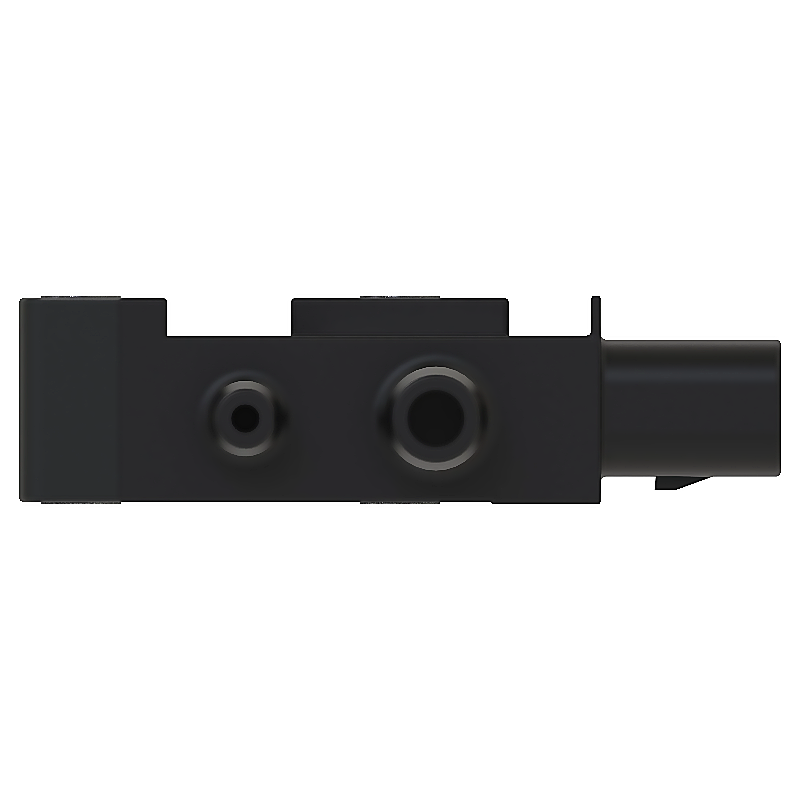
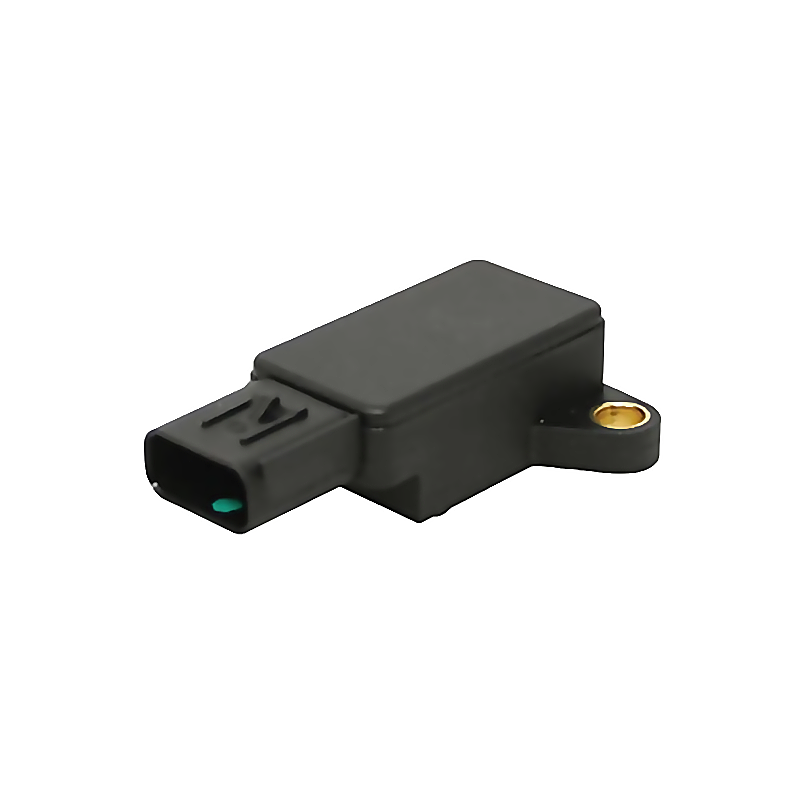
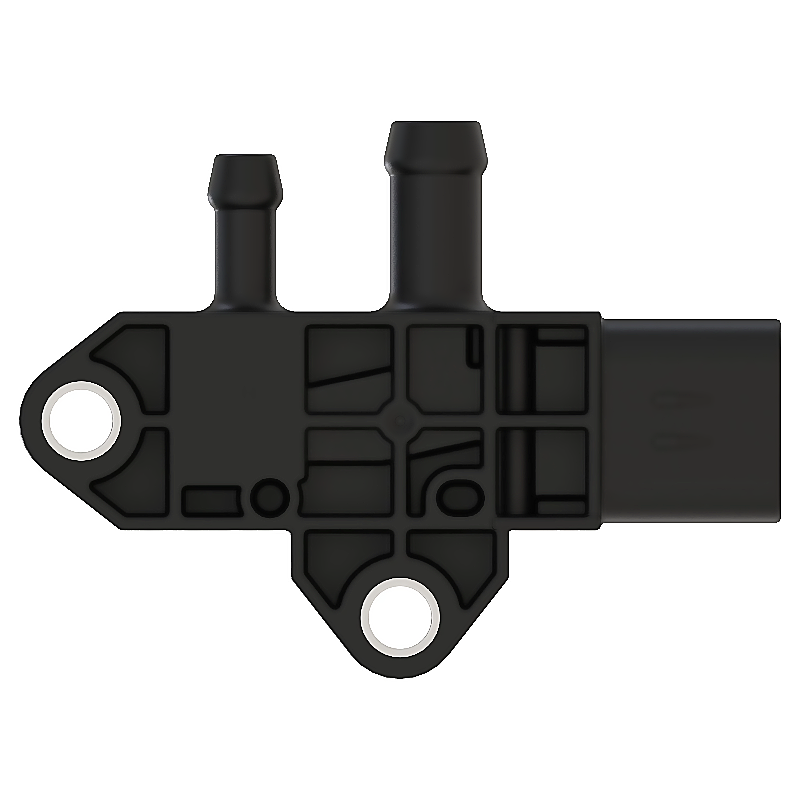
Low pressure sensors are precision measurement devices designed to detect and monitor minimal pressure variations in gases and liquids across diverse industrial and commercial applications. These specialized instruments excel at measuring pressure levels typically ranging from a few millibars to several bar, making them indispensable for applications where standard pressure sensors lack the sensitivity required. Low pressure sensors convert physical pressure into electrical signals through advanced transduction technologies, including piezoresistive, capacitive, and resonant sensing methods. Their main functions encompass continuous pressure monitoring, process control feedback, leak detection, and safety system integration. The technological features of modern low pressure sensors include exceptional sensitivity to minute pressure changes, outstanding long-term stability, minimal temperature drift, and excellent repeatability. Many models incorporate digital output interfaces, temperature compensation circuits, and robust construction suitable for harsh environments. These sensors find applications across numerous sectors including HVAC systems for building automation, medical equipment such as ventilators and anesthesia machines, cleanroom monitoring in pharmaceutical manufacturing, semiconductor fabrication processes, environmental monitoring stations, automotive fuel systems, and research laboratory instrumentation. The versatility of low pressure sensors makes them critical components in applications demanding accurate measurement of differential pressures, vacuum levels, gauge pressures, and absolute pressures where conventional sensors would provide insufficient resolution or accuracy for proper system operation and control.