Pressure Transducer Types Guide & Selection

Your Trusted Partner in Electronics Supply Chain. Inquire Now!

Explore Our Latest Smart Electronics Collection.

, , 
Inquiry
Inquiry

pressure transducer types

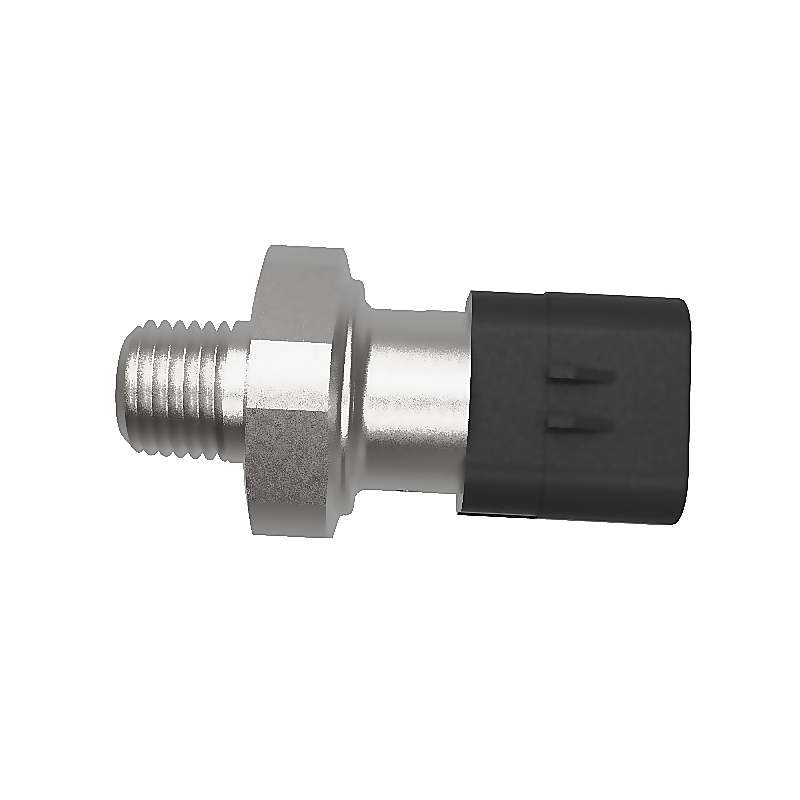
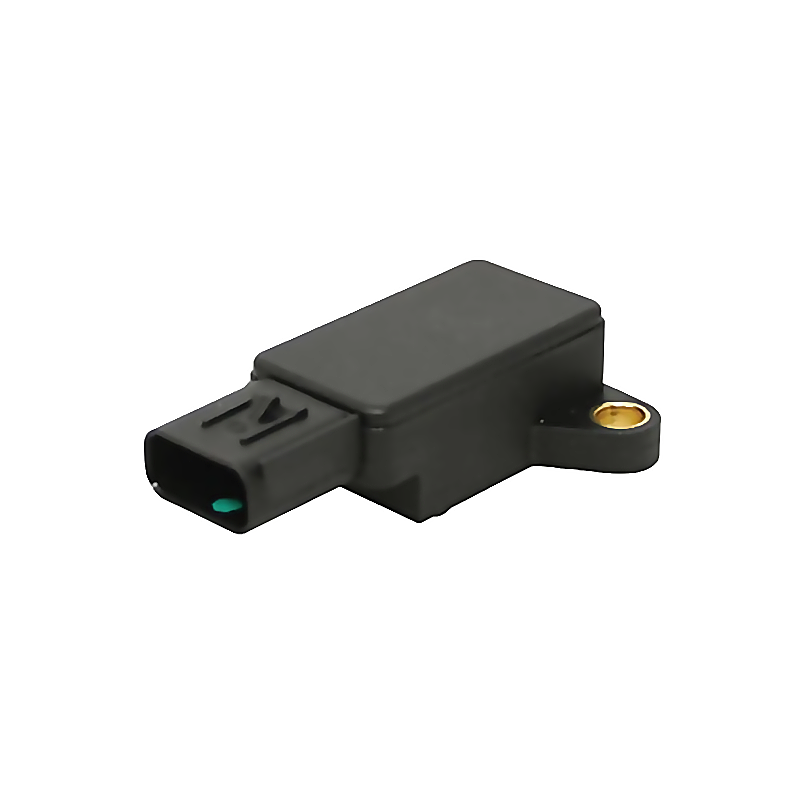
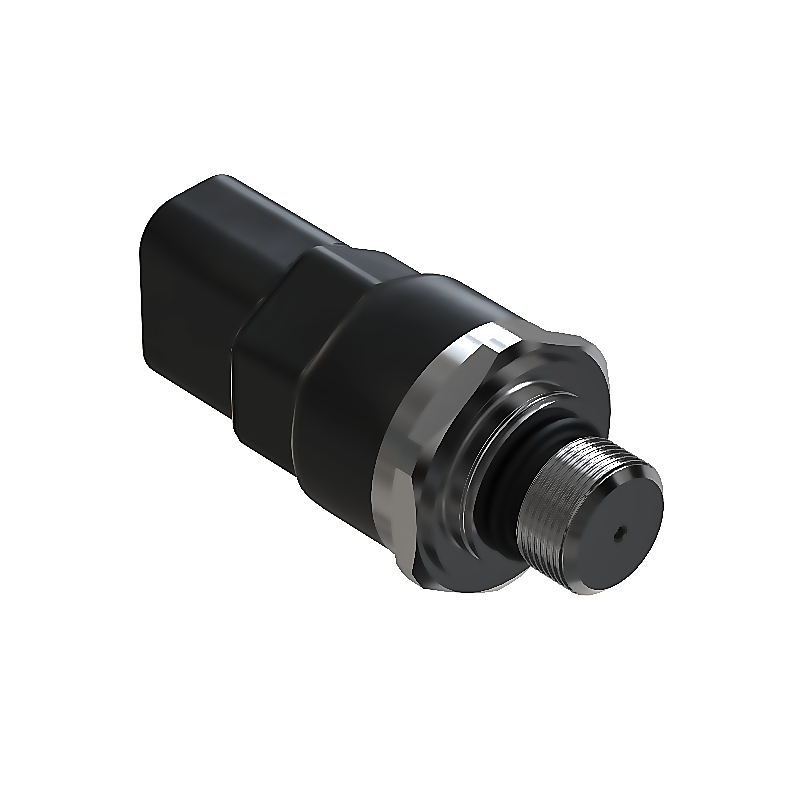
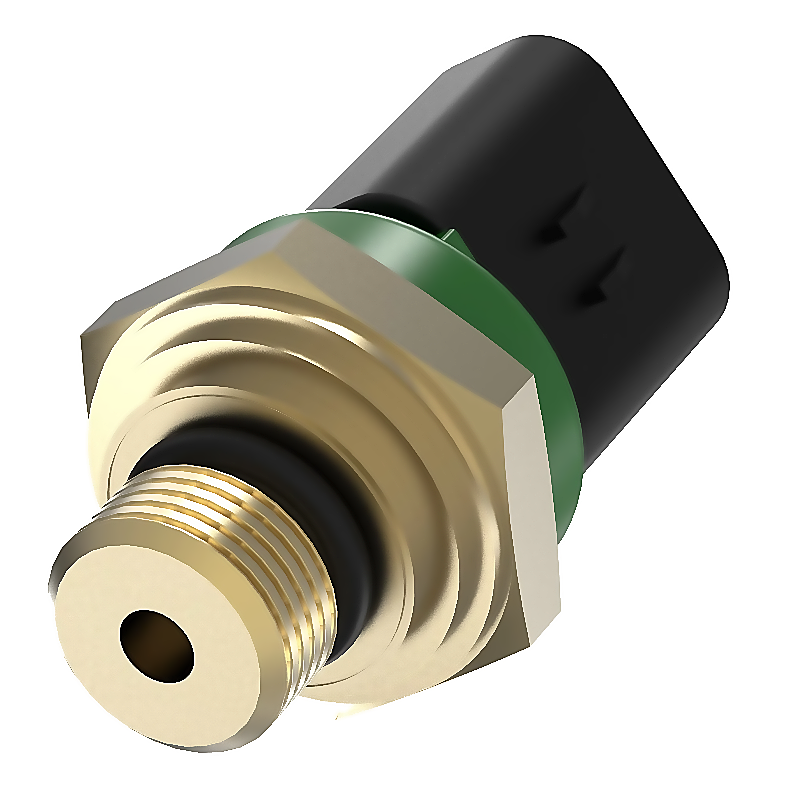
Pressure transducer types are essential devices that convert pressure measurements into electrical signals for monitoring and control applications. These sophisticated instruments come in various configurations, each designed to meet specific industrial requirements. The main pressure transducer types include strain gauge transducers, capacitive transducers, piezoelectric transducers, resonant wire transducers, and optical transducers. Each type employs distinct sensing technologies to deliver accurate pressure readings across different operational environments. Strain gauge pressure transducer types utilize resistive elements that change electrical resistance under mechanical stress, making them ideal for static and dynamic pressure measurements. Capacitive pressure transducer types measure pressure through changes in capacitance between two plates, offering exceptional sensitivity for low-pressure applications. Piezoelectric pressure transducer types generate electrical charges when subjected to mechanical stress, excelling in high-frequency dynamic pressure measurements. These devices serve critical functions in industrial automation, aerospace systems, automotive testing, medical equipment, and process control applications. The technological features of different pressure transducer types include temperature compensation, digital output capabilities, and robust construction for harsh environments. Modern pressure transducer types incorporate microprocessor-based signal conditioning, wireless connectivity, and self-diagnostic functions. Applications range from hydraulic system monitoring and pneumatic control to engine performance testing and environmental monitoring. Understanding the characteristics of various pressure transducer types enables engineers and procurement specialists to select the optimal solution for their specific measurement challenges, ensuring reliable performance and long-term operational efficiency.
Choosing the right pressure transducer types delivers significant operational benefits that directly impact your bottom line and system performance. Different pressure transducer types offer versatility across measurement ranges, from ultra-low vacuum pressures to extreme high-pressure industrial applications, ensuring you find a solution perfectly matched to your requirements. The reliability of modern pressure transducer types reduces maintenance costs and minimizes unexpected downtime, protecting your production schedules and revenue streams. These devices provide exceptional accuracy and repeatability, enabling precise process control that improves product quality and reduces material waste. The compact design of contemporary pressure transducer types facilitates easy installation in space-constrained environments, while their robust construction withstands vibration, temperature extremes, and corrosive media exposure. Advanced pressure transducer types feature digital outputs and communication protocols that integrate seamlessly with existing control systems, eliminating costly infrastructure upgrades. The fast response times of certain pressure transducer types enable real-time monitoring and immediate corrective actions, preventing equipment damage and safety hazards. Energy-efficient pressure transducer types consume minimal power, making them suitable for battery-operated and remote monitoring applications. The wide selection of pressure transducer types ensures application suitability across diverse industries, from pharmaceutical manufacturing requiring sanitary designs to oil and gas operations demanding explosion-proof ratings. Investment in quality pressure transducer types delivers long-term value through extended service life and stable calibration, reducing total cost of ownership. The availability of pressure transducer types with various electrical outputs, pressure connections, and mounting options simplifies system design and speeds up project completion. Making informed decisions about pressure transducer types based on your specific operational conditions, measurement requirements, and environmental factors ensures optimal performance and maximizes return on investment.

Latest News

What advantages do ic solutions provide for embedded electronic system development?

12

Jun

What advantages do ic solutions provide for embedded electronic system development?

View More
Why are ic solutions essential for modern power and control systems?

12

Jun

Why are ic solutions essential for modern power and control systems?

View More
Is a power management ic essential for efficient energy regulation in devices?

12

Jun

Is a power management ic essential for efficient energy regulation in devices?

View More
Can a power management ic reduce heat generation in industrial systems?

12

Jun

Can a power management ic reduce heat generation in industrial systems?

View More
Superior Measurement Accuracy Across Applications

Superior Measurement Accuracy Across Applications

Different pressure transducer types deliver exceptional measurement precision that forms the foundation of reliable process control and quality assurance. Strain gauge pressure transducer types achieve accuracy levels within 0.1 percent of full scale, ensuring your critical measurements remain consistent and trustworthy. This precision proves invaluable in pharmaceutical manufacturing, aerospace testing, and calibration laboratories where measurement integrity directly affects product compliance and safety certifications. Capacitive pressure transducer types excel in low-pressure measurements with remarkable sensitivity, detecting minute pressure variations that other technologies might miss. The stability of modern pressure transducer types maintains calibration over extended periods, reducing recalibration frequency and associated costs. Advanced compensation techniques built into contemporary pressure transducer types correct for temperature effects, ensuring accuracy across wide operating temperature ranges. This accuracy advantage translates into tighter process control, reduced scrap rates, and improved product consistency. When you select appropriate pressure transducer types for your application, you gain confidence in your measurement data, enabling better decision-making and process optimization that drives operational excellence and competitive advantage in your industry.
Robust Construction for Demanding Environments

Robust Construction for Demanding Environments

The durability of industrial-grade pressure transducer types ensures reliable operation in harsh conditions where other measurement devices fail. Manufacturers engineer pressure transducer types with corrosion-resistant materials including stainless steel, titanium, and specialized alloys that withstand aggressive chemicals and extreme temperatures. Piezoelectric pressure transducer types feature solid-state construction with no moving parts, eliminating mechanical wear and extending operational life in high-vibration environments such as automotive testing and turbomachinery monitoring. The hermetically sealed designs of many pressure transducer types protect sensitive electronics from moisture, dust, and contaminants, maintaining performance integrity in outdoor installations and wet processing areas. Explosion-proof pressure transducer types meet stringent safety certifications for hazardous locations, enabling pressure monitoring in oil refineries, chemical plants, and mining operations without compromising personnel safety. The shock and vibration resistance of ruggedized pressure transducer types prevents measurement errors and device failure in mobile equipment and high-impact applications. This robust construction reduces replacement frequency, minimizes maintenance interventions, and ensures continuous operation even under challenging conditions, protecting your investment and maintaining production continuity when reliability matters most.
Flexible Integration with Modern Control Systems

Flexible Integration with Modern Control Systems

Contemporary pressure transducer types offer versatile connectivity options that simplify integration with diverse control architectures and data acquisition systems. Digital pressure transducer types provide outputs including 4-20mA, 0-10V, RS-485, and industrial protocols like HART, Profibus, and Modbus, enabling seamless communication with programmable logic controllers and distributed control systems. This flexibility eliminates the need for complex signal conditioning equipment and reduces installation complexity. Smart pressure transducer types incorporate onboard diagnostics that report device health status, helping maintenance teams predict failures before they occur and schedule preventive actions during planned downtime. Wireless pressure transducer types eliminate cabling costs and enable monitoring in remote or rotating equipment where traditional wired connections prove impractical or impossible. The scalability of modern pressure transducer types supports both standalone applications and networked systems with hundreds of measurement points, accommodating business growth and system expansion. Configurable pressure transducer types allow field adjustment of measurement ranges, damping, and output characteristics without physical modifications, providing adaptability as process requirements evolve. This integration flexibility accelerates project implementation, reduces engineering costs, and future-proofs your measurement infrastructure against technological changes and expanding operational needs.