Pressure Sensors Price Guide & Value Analysis

Your Trusted Partner in Electronics Supply Chain. Inquire Now!

Explore Our Latest Smart Electronics Collection.

, , 
Inquiry
Inquiry

pressure sensors price

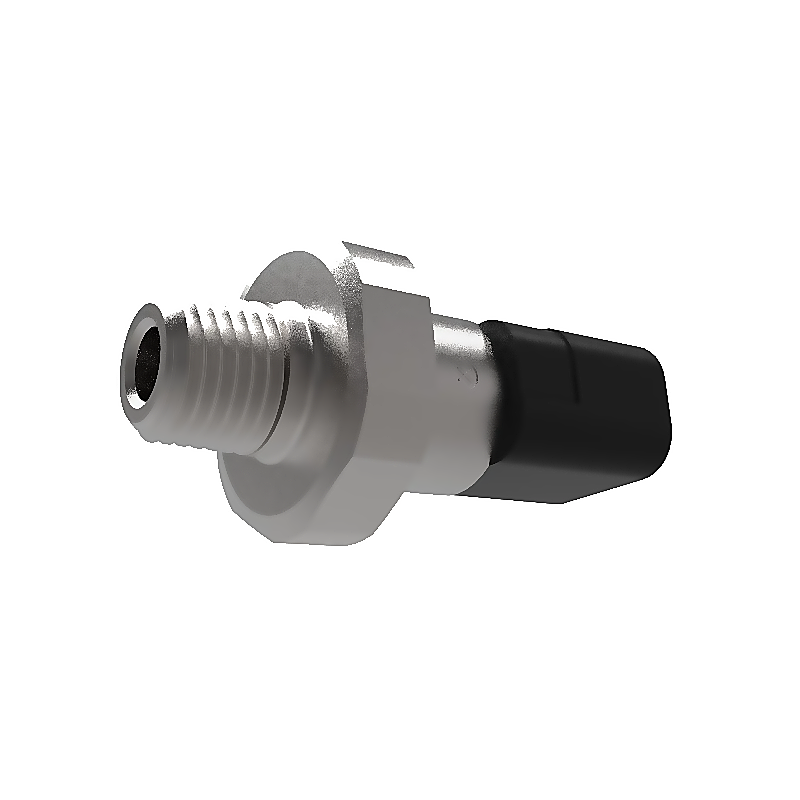
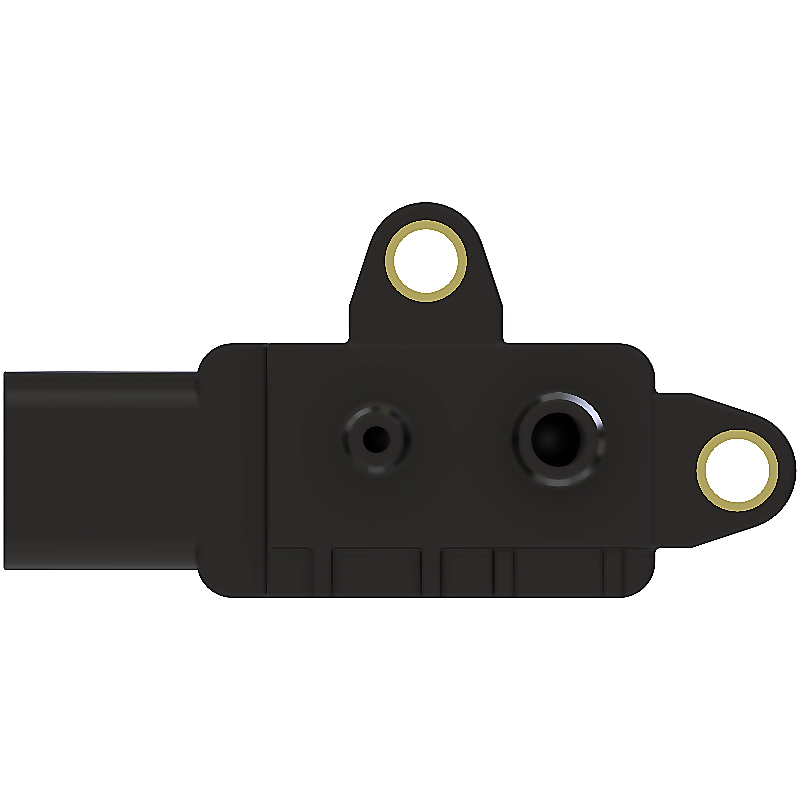
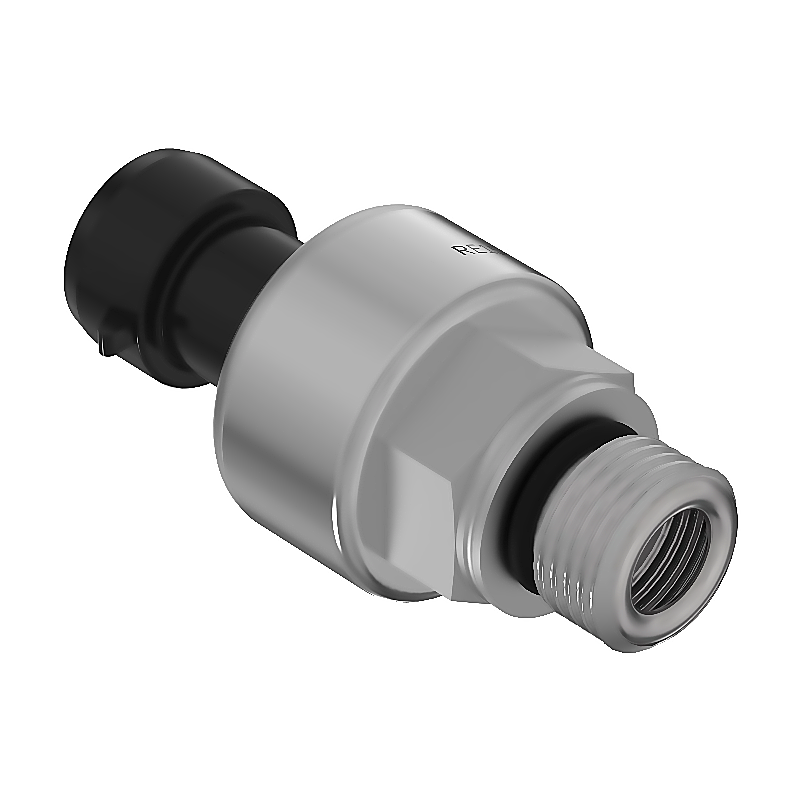
Understanding pressure sensors price is essential for businesses and individuals seeking reliable measurement solutions across diverse industrial applications. Pressure sensors are precision instruments designed to detect, measure, and transmit pressure data from gases or liquids in real-time. These devices convert physical pressure into electrical signals that can be monitored, recorded, and analyzed by control systems. The pressure sensors price varies significantly based on measurement range, accuracy class, output signal type, and construction materials. Modern pressure sensors utilize advanced technologies including piezoresistive, capacitive, and piezoelectric sensing methods to deliver accurate readings under challenging conditions. They feature digital or analog outputs, temperature compensation mechanisms, and robust housings suitable for harsh environments. Applications span automotive systems, HVAC installations, medical equipment, aerospace engineering, oil and gas operations, food processing, and manufacturing automation. When evaluating pressure sensors price, buyers must consider factors such as pressure range requirements, media compatibility, environmental conditions, response time specifications, and long-term reliability. Entry-level models start at affordable rates for basic applications, while industrial-grade sensors with enhanced specifications command higher investment. The pressure sensors price reflects quality construction, calibration precision, certification standards, and manufacturer warranty support. Understanding these variables helps purchasers make informed decisions that balance initial investment against operational performance and maintenance costs over the sensor's lifecycle.
Evaluating pressure sensors price provides buyers with transparent cost visibility that enables accurate budget planning and project feasibility assessment. When you understand pricing structures, you can compare multiple suppliers and models to identify solutions offering optimal value for your specific measurement requirements. The pressure sensors price directly influences total system costs, making it a critical factor in equipment selection decisions. Affordable pressure sensors deliver immediate cost savings without compromising essential measurement functions for standard applications. You gain access to proven technology that reduces installation expenses and simplifies system integration. Mid-range pressure sensors price options offer enhanced durability and accuracy specifications that minimize calibration frequency and reduce long-term maintenance expenditures. These sensors provide reliable performance in demanding conditions, lowering the risk of costly downtime and production interruptions. Premium pressure sensors justify their higher price through superior accuracy, extended operational ranges, and advanced diagnostic capabilities that optimize process control and quality assurance. When you invest appropriately based on application demands, you achieve better measurement consistency and regulatory compliance. Understanding pressure sensors price helps you avoid over-specification that wastes resources or under-specification that compromises performance. You can select sensors with appropriate certifications, material compatibility, and output options that integrate seamlessly with existing infrastructure. Transparent pricing information accelerates procurement cycles and supports informed negotiations with suppliers. The right pressure sensors price point delivers measurable returns through improved operational efficiency, reduced waste, enhanced safety monitoring, and extended equipment service life. By matching sensor capabilities to application requirements and budget constraints, you maximize investment value while ensuring measurement accuracy and system reliability throughout the operational lifecycle.

Tips And Tricks

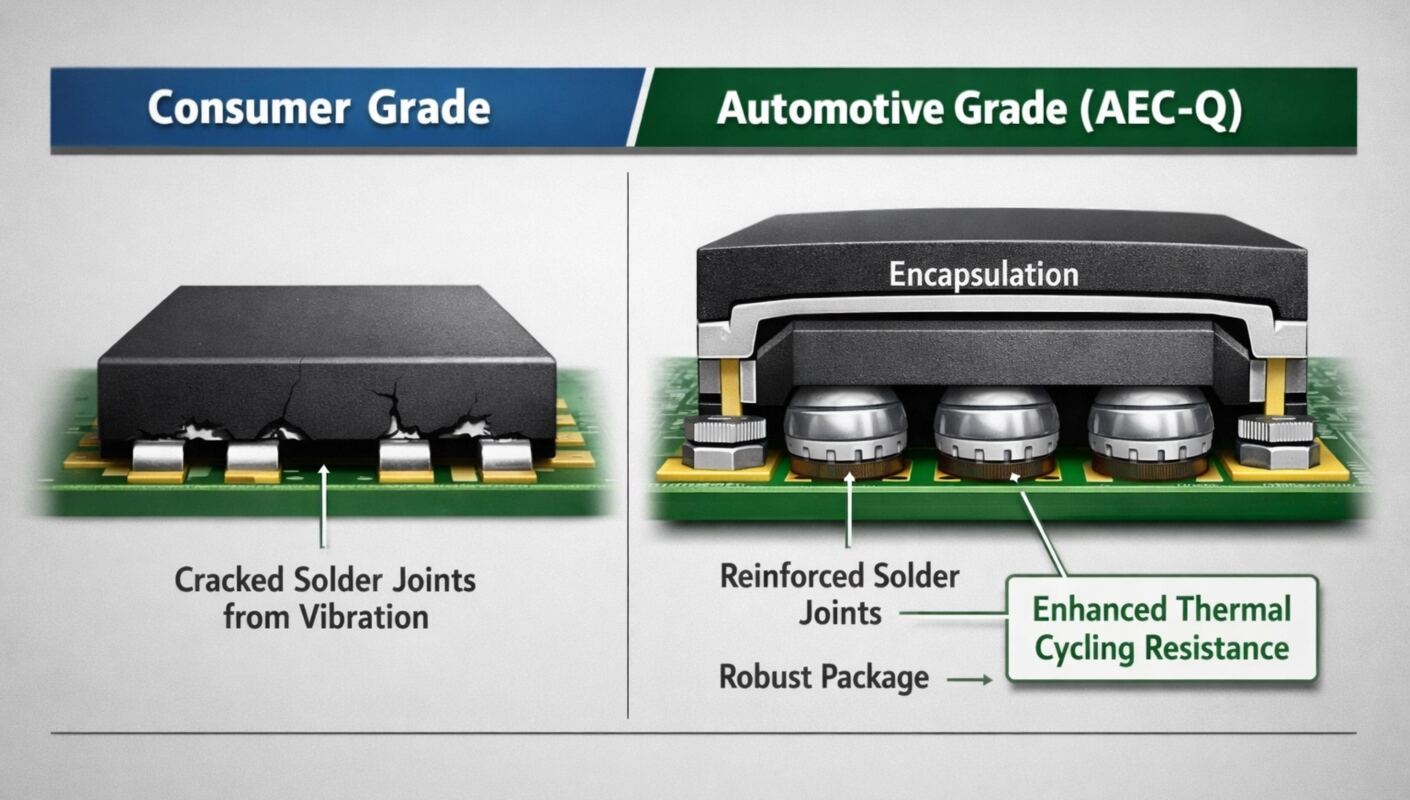
What are Automotive-Grade Electronic Components? A Deep Dive into AEC-Q Standards and IATF 16949 Compliance

03

Apr

What are Automotive-Grade Electronic Components? A Deep Dive into AEC-Q Standards and IATF 16949 Compliance

View More
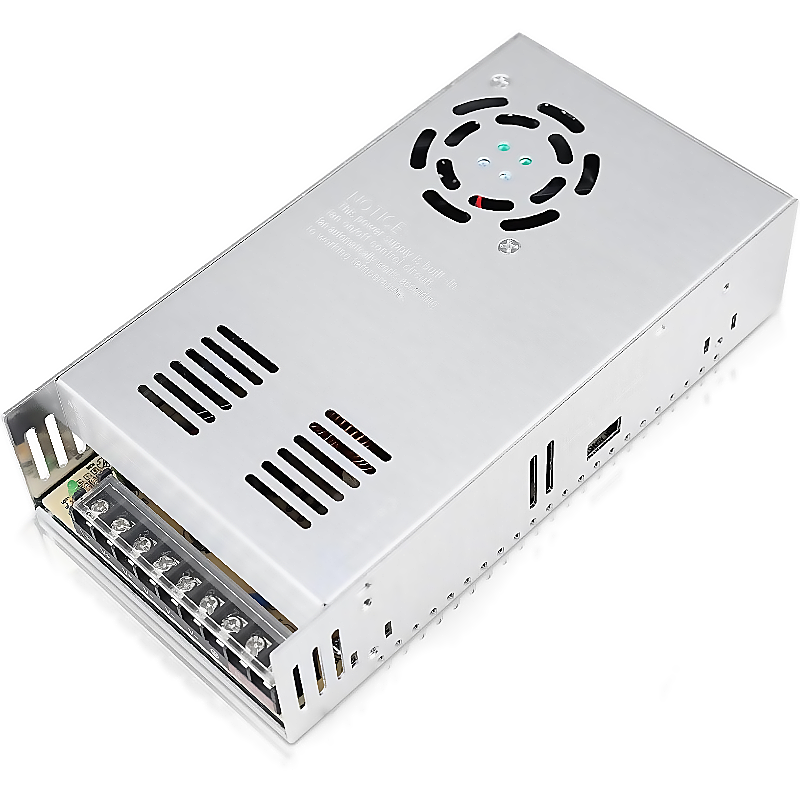
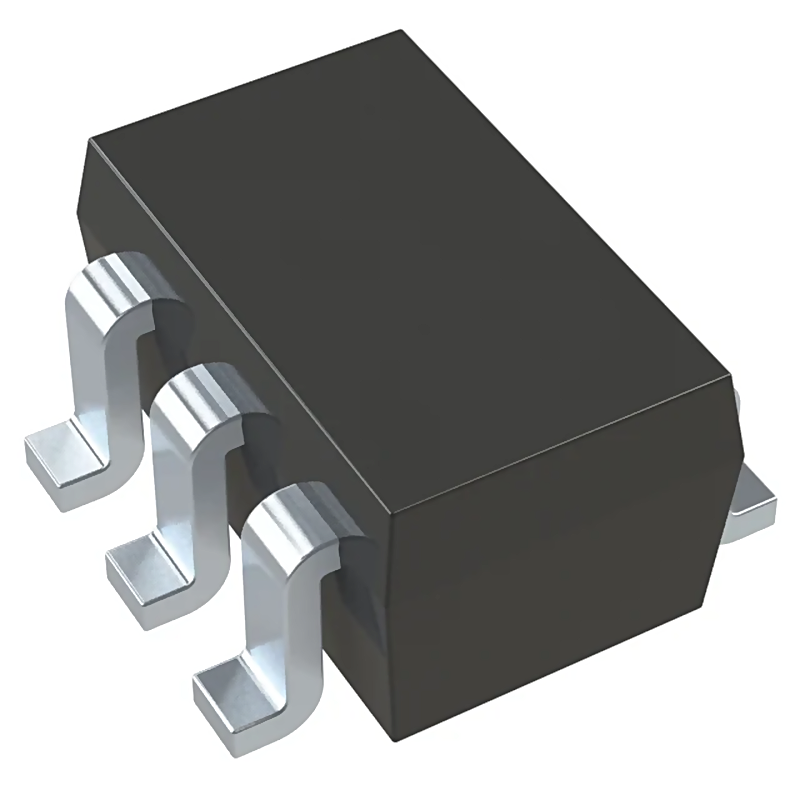
How does a mosfet transistor improve efficiency in industrial power systems?

12

Jun

How does a mosfet transistor improve efficiency in industrial power systems?

View More
Is a dc contactor suitable for high-current switching in industrial systems?

12

Jun

Is a dc contactor suitable for high-current switching in industrial systems?

View More
Cost-Effective Solutions for Every Application

Cost-Effective Solutions for Every Application

The pressure sensors price spectrum accommodates diverse budget requirements and application complexities, ensuring every project finds suitable measurement solutions. Entry-level sensors provide essential pressure monitoring capabilities at accessible price points, making them ideal for educational institutions, small-scale operations, and non-critical applications where basic accuracy suffices. These affordable options reduce barriers to implementing automated monitoring systems and improve operational visibility without significant capital investment. Mid-tier pressure sensors price offerings deliver enhanced specifications including improved accuracy classes, broader temperature compensation, and ruggedized construction suitable for industrial environments. This price category represents excellent value for manufacturing facilities, processing plants, and commercial installations requiring dependable long-term performance. Premium pressure sensors command higher investment but provide exceptional measurement precision, specialized materials for corrosive media, intrinsically safe certifications for hazardous locations, and advanced diagnostics for predictive maintenance programs. Understanding the pressure sensors price relationship to performance specifications enables strategic purchasing decisions that align sensor capabilities with operational requirements, avoiding unnecessary expense while ensuring adequate measurement quality for safety-critical and quality-sensitive applications across diverse industries.
Transparent Pricing Supports Informed Purchasing

Transparent Pricing Supports Informed Purchasing

Access to clear pressure sensors price information empowers buyers to conduct thorough cost-benefit analyses and make evidence-based procurement decisions. Transparent pricing eliminates hidden costs and unexpected expenses during project implementation, enabling accurate total cost of ownership calculations. When suppliers provide detailed pressure sensors price breakdowns, you can evaluate how different features, certifications, and specifications influence overall investment requirements. This visibility allows comparison shopping across multiple manufacturers and distributors to identify competitive offerings that meet technical specifications within budget parameters. Understanding pressure sensors price structures helps procurement teams negotiate effectively and secure volume discounts for multi-sensor installations. Detailed pricing information accelerates approval processes by providing stakeholders with clear justification for equipment selection decisions. You can demonstrate how specific sensor capabilities align with operational requirements and deliver measurable returns through improved process control, energy efficiency, or safety compliance. Transparent pressure sensors price presentation builds trust between buyers and suppliers, fostering long-term partnerships based on mutual value creation. This openness enables better inventory planning, facilitates spare parts budgeting, and supports lifecycle cost modeling that accounts for calibration services, replacement schedules, and technology refresh cycles throughout the measurement system's operational lifespan.
Price-Performance Balance Optimizes Investment Returns

Price-Performance Balance Optimizes Investment Returns

Achieving optimal pressure sensors price-performance balance ensures measurement systems deliver maximum value throughout their operational lifecycle. Rather than simply selecting the lowest-priced option, strategic buyers evaluate how sensor specifications align with application demands to prevent performance shortfalls or unnecessary over-specification. The right pressure sensors price point reflects appropriate accuracy grades, response times, and environmental ratings that match actual operating conditions. This balanced approach avoids premature sensor failure from inadequate specifications while preventing wasteful spending on capabilities that exceed application requirements. Quality sensors at competitive prices reduce total ownership costs through extended calibration intervals, lower failure rates, and minimal maintenance requirements. When pressure sensors price appropriately reflects construction quality and component selection, buyers benefit from consistent measurement reliability that supports process optimization and regulatory compliance. Value-oriented pricing strategies consider not only initial purchase costs but also installation complexity, training requirements, spare parts availability, and technical support accessibility. By evaluating pressure sensors price within the context of complete system performance and long-term operational goals, organizations maximize return on investment through improved productivity, reduced scrap rates, enhanced safety monitoring, and optimized energy consumption across industrial processes, commercial systems, and specialized measurement applications.