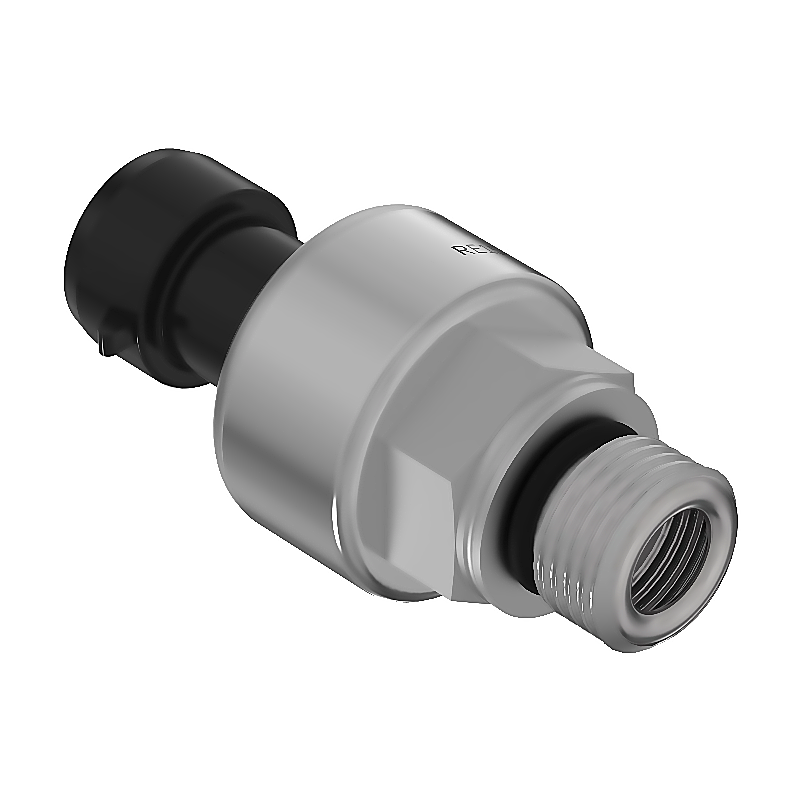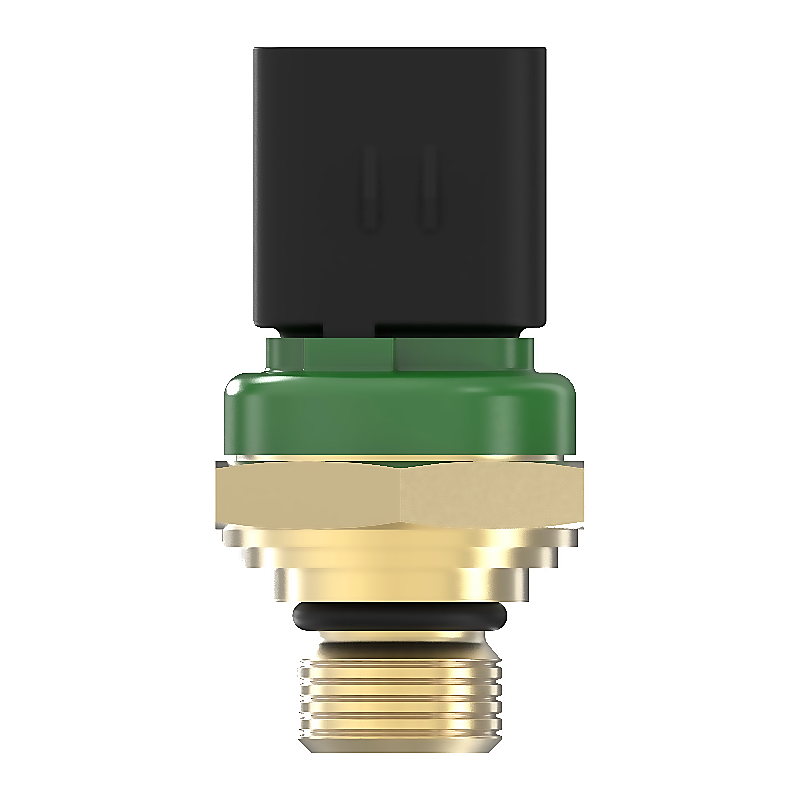
atmospheric pressure sensor
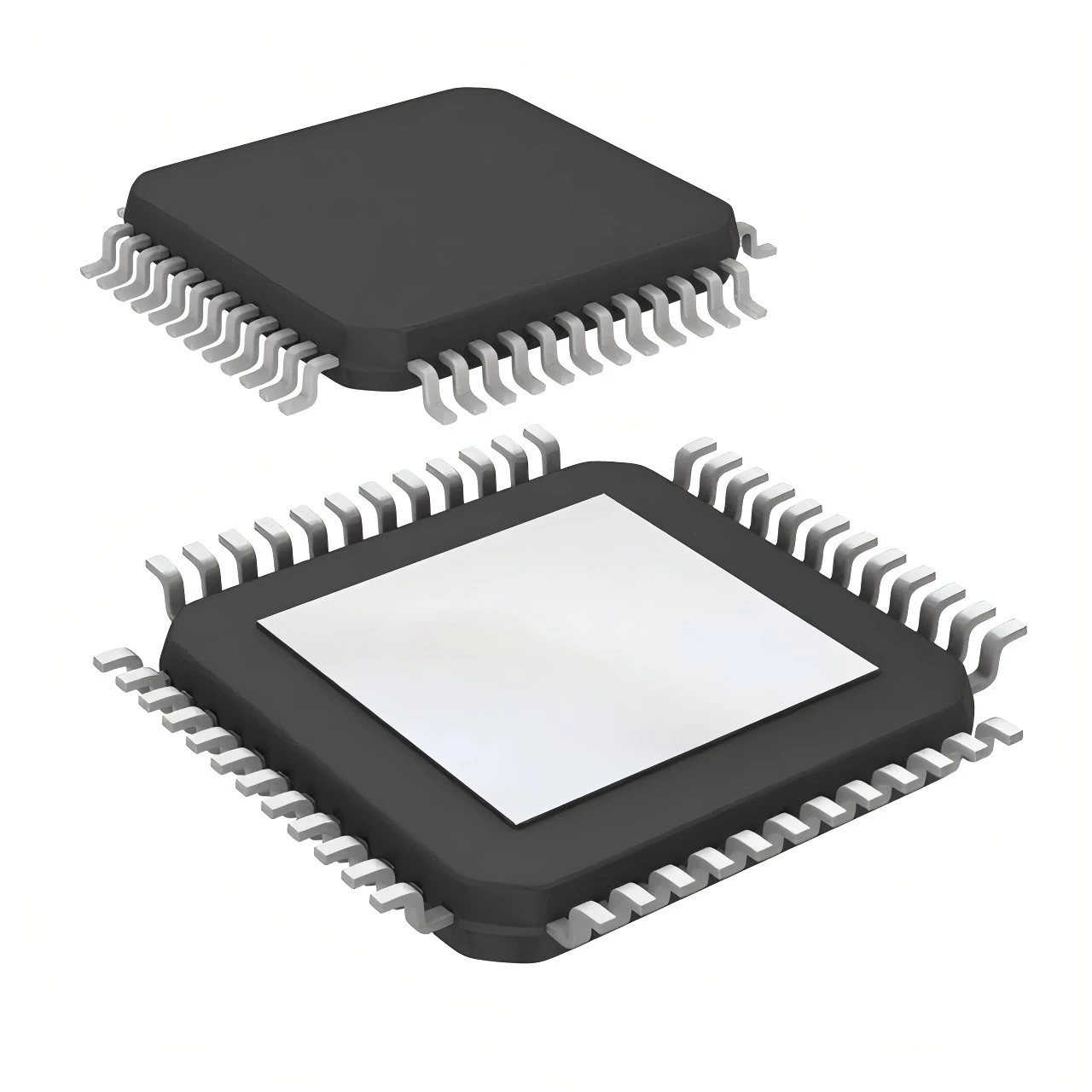
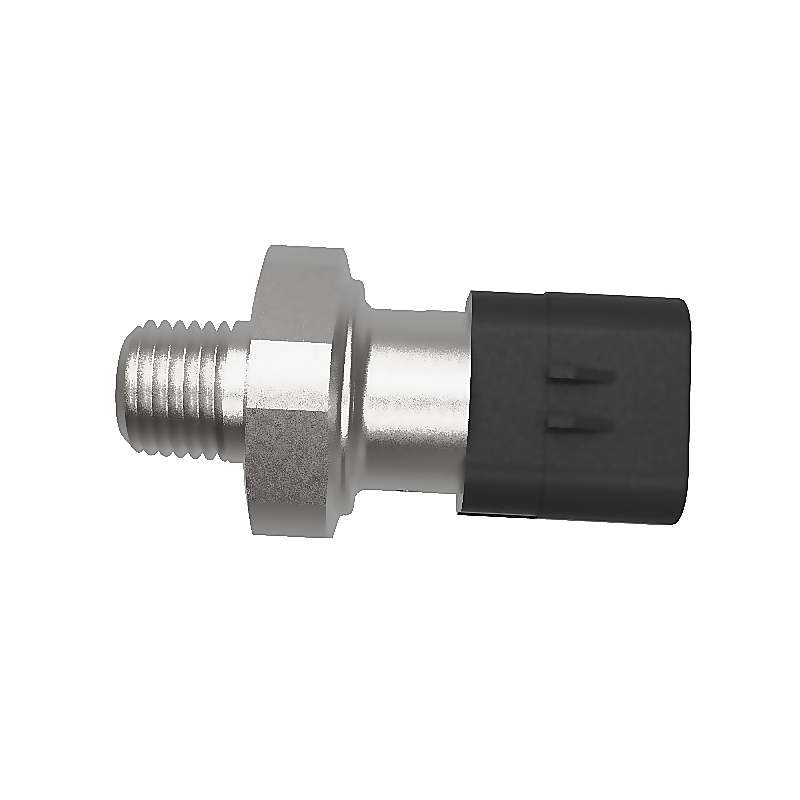
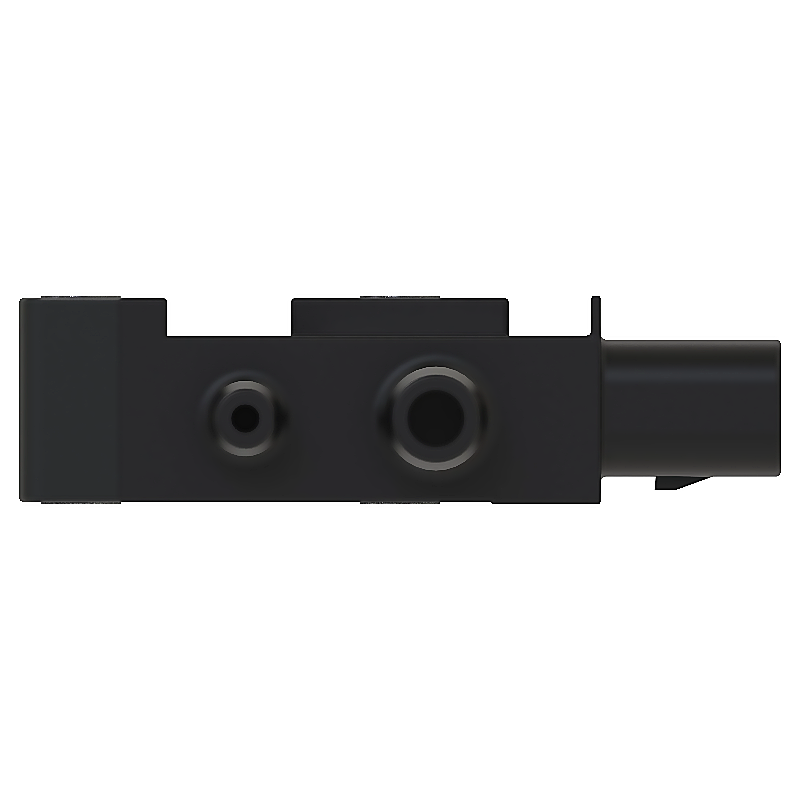
An atmospheric pressure sensor is a precision instrument designed to measure the pressure exerted by the atmosphere at any given location. This sophisticated device detects changes in air pressure and converts them into readable data, making it essential for weather forecasting, altitude measurement, and environmental monitoring. The atmospheric pressure sensor operates by utilizing advanced sensing technologies such as piezoresistive, capacitive, or MEMS-based mechanisms that respond to pressure variations with exceptional accuracy. These sensors typically measure pressure in units like pascals, millibars, or inches of mercury, providing reliable readings across diverse environmental conditions. Modern atmospheric pressure sensors feature compact designs, low power consumption, and digital output capabilities that enable seamless integration with microcontrollers and IoT systems. The atmospheric pressure sensor plays a crucial role in various industries, from aviation and meteorology to consumer electronics and automotive applications. In smartphones and wearable devices, these sensors enable altitude tracking and weather prediction features. Industrial applications rely on atmospheric pressure sensors for process control, HVAC systems, and safety monitoring. The technology continues to evolve with improved sensitivity, temperature compensation, and wireless connectivity options. Whether used for professional weather stations, drone navigation systems, or portable barometers, the atmospheric pressure sensor delivers consistent performance and accurate measurements that support critical decision-making across multiple sectors.