Air Pressure Sensors - Precision Measurement

Your Trusted Partner in Electronics Supply Chain. Inquire Now!

Explore Our Latest Smart Electronics Collection.

, , 
Inquiry
Inquiry

air pressure sensors

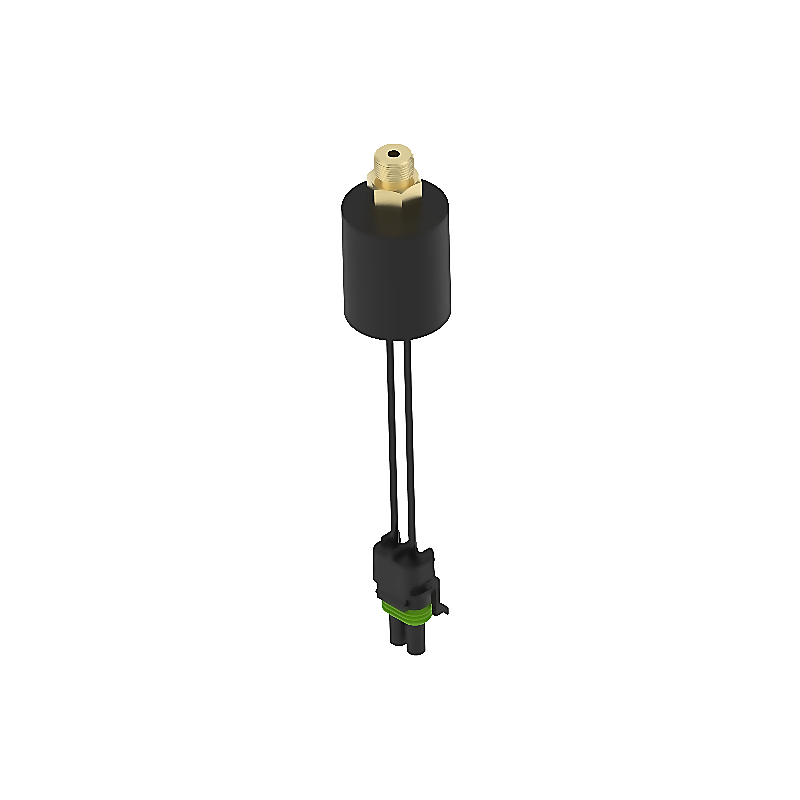
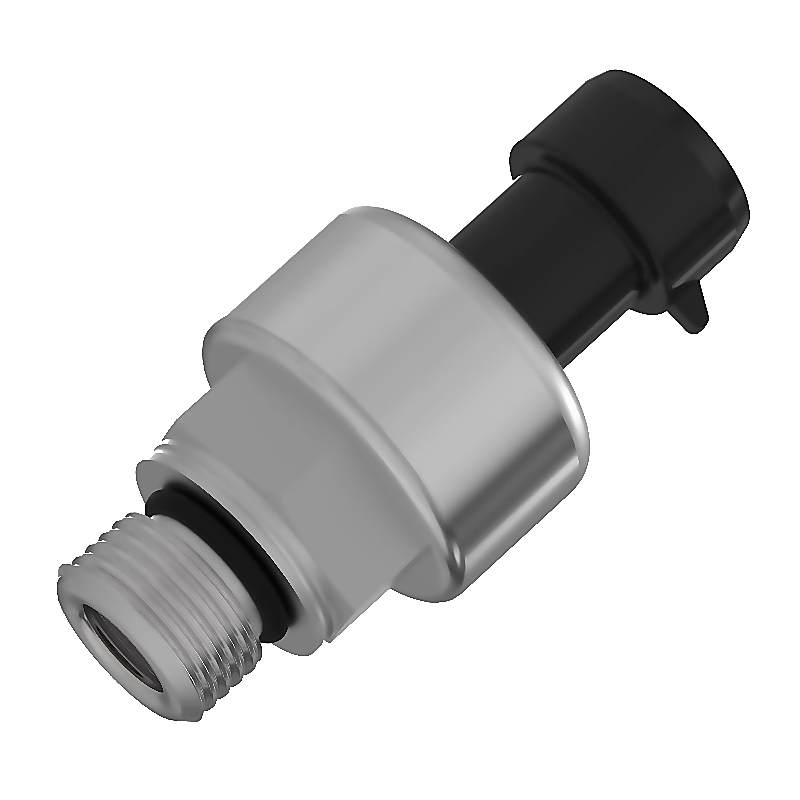
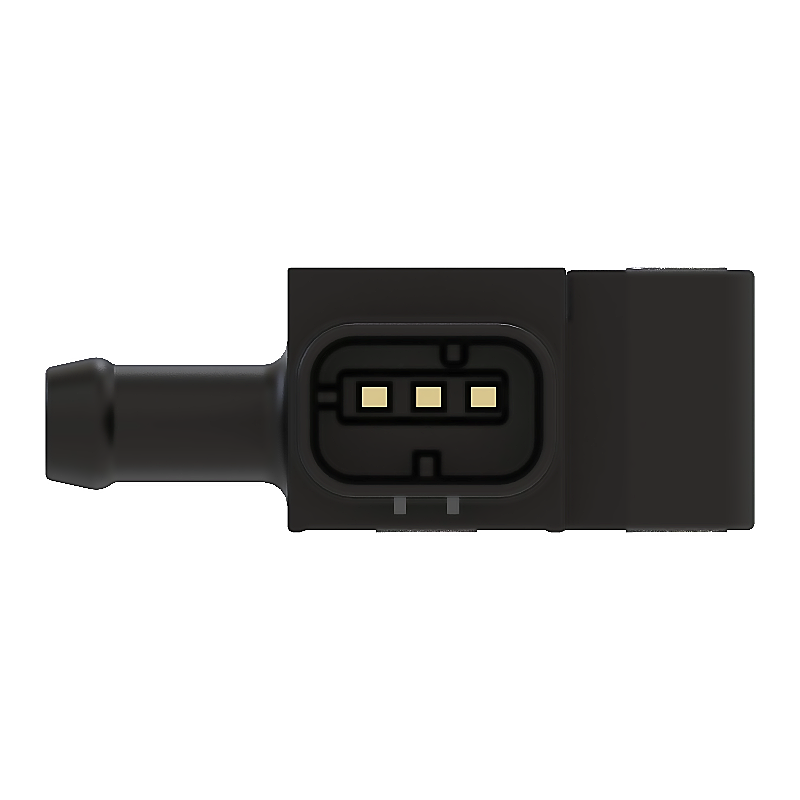
Air pressure sensors are essential devices that measure atmospheric or system pressure and convert it into readable electrical signals for monitoring and control purposes. These sophisticated instruments play a critical role in detecting pressure variations across diverse environments, from industrial machinery to consumer electronics. Air pressure sensors utilize advanced transducer technology to capture pressure changes with exceptional accuracy, enabling real-time data collection for critical decision-making processes. The core functionality involves measuring force per unit area exerted by air or gas molecules, translating physical pressure into proportional voltage or current outputs that can be interpreted by control systems. Modern air pressure sensors incorporate various sensing technologies including piezoresistive, capacitive, and resonant methods, each offering distinct advantages for specific applications. These devices typically feature compact designs with robust construction to withstand harsh environmental conditions while maintaining measurement precision. Air pressure sensors find extensive applications across automotive systems for engine management and tire monitoring, HVAC installations for climate control optimization, medical equipment for respiratory monitoring, weather stations for meteorological data collection, and industrial automation for process control. Their ability to provide continuous, reliable pressure readings makes them indispensable in safety-critical applications where pressure monitoring prevents equipment failure and ensures operational efficiency. The integration of digital interfaces and smart calibration features has enhanced their versatility, allowing seamless connectivity with modern IoT platforms and data analytics systems for predictive maintenance and performance optimization.
Investing in quality air pressure sensors delivers significant operational value through enhanced process control and system reliability. These devices provide accurate real-time monitoring that helps prevent costly equipment failures by detecting pressure anomalies before they escalate into serious problems. For facility managers and engineers, air pressure sensors reduce maintenance expenses through early warning capabilities that enable proactive interventions rather than reactive repairs. The precision measurement capabilities ensure optimal system performance, leading to improved energy efficiency and reduced operational costs over time. Users benefit from easy installation processes that minimize downtime during deployment, while standardized electrical outputs simplify integration with existing control infrastructure without requiring extensive system modifications. Air pressure sensors offer exceptional durability and long service life, reducing replacement frequency and total ownership costs compared to traditional mechanical gauges. Their digital outputs eliminate reading errors associated with analog instruments, providing consistent data accuracy that supports better decision-making across operations. For industries requiring compliance with safety regulations, these sensors provide documented pressure monitoring that satisfies audit requirements and demonstrates adherence to operational standards. The compact footprint of modern air pressure sensors allows installation in space-constrained environments where traditional monitoring equipment cannot fit. Temperature compensation features ensure measurement accuracy across varying environmental conditions, making them suitable for both indoor controlled environments and outdoor exposed applications. Quick response times enable immediate detection of pressure fluctuations, which is particularly valuable in dynamic systems where rapid pressure changes require instant corrective action. The versatility of air pressure sensors means one device type can often serve multiple applications within a facility, simplifying inventory management and technician training requirements while providing consistent performance across different use cases.

Practical Tips

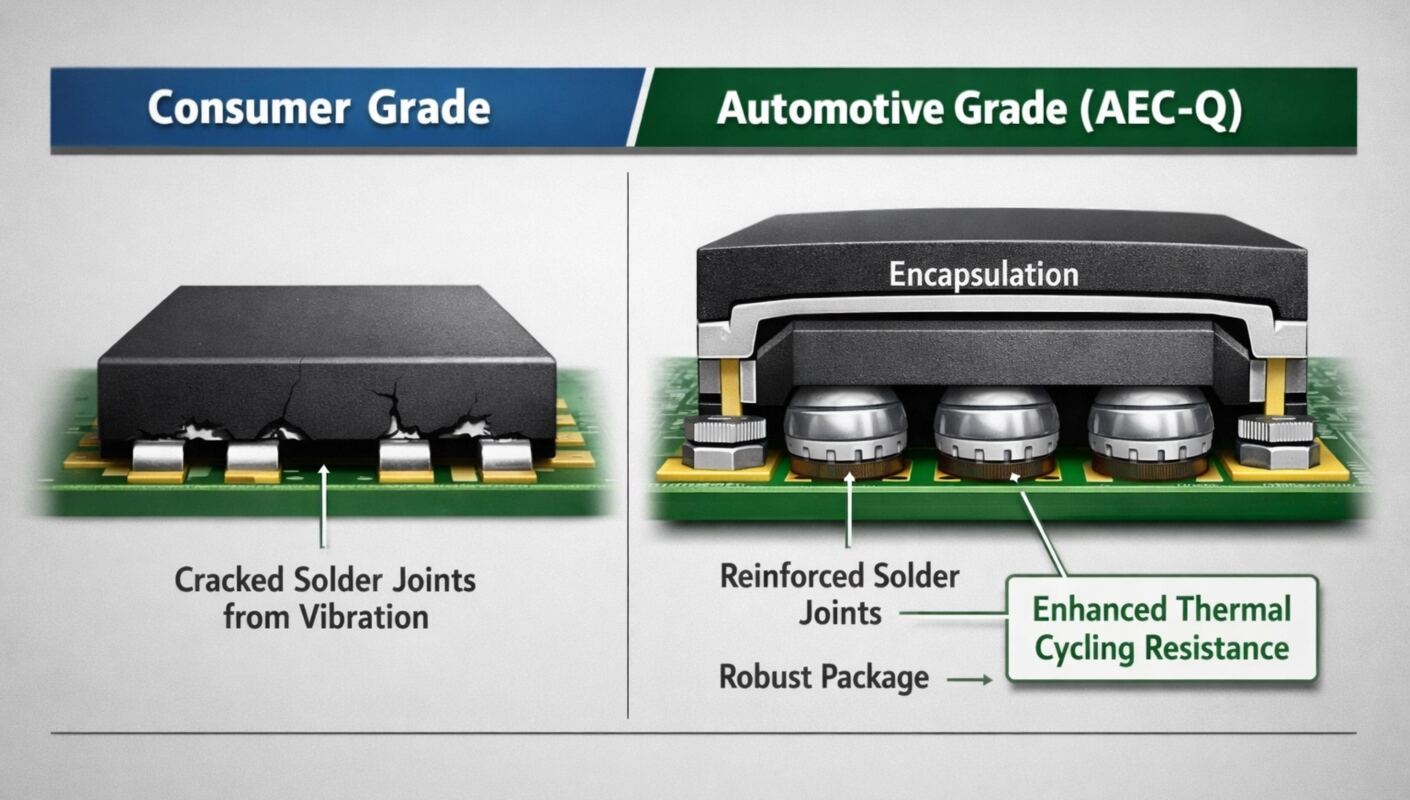
What are Automotive-Grade Electronic Components? A Deep Dive into AEC-Q Standards and IATF 16949 Compliance

03

Apr

What are Automotive-Grade Electronic Components? A Deep Dive into AEC-Q Standards and IATF 16949 Compliance

View More
Why do manufacturers use contactor&relay systems in automated machinery?

12

Jun

Why do manufacturers use contactor&relay systems in automated machinery?

View More
Why are ic solutions essential for modern power and control systems?

12

Jun

Why are ic solutions essential for modern power and control systems?

View More
Can a power management ic reduce heat generation in industrial systems?

12

Jun

Can a power management ic reduce heat generation in industrial systems?

View More
Superior Measurement Accuracy and Repeatability

Superior Measurement Accuracy and Repeatability

Air pressure sensors deliver exceptional measurement precision that ensures consistent, reliable data across extended operational periods. Advanced calibration techniques and temperature compensation algorithms work together to maintain accuracy within tight tolerances regardless of environmental variations. This measurement stability proves critical in applications where even minor pressure deviations can impact product quality, safety compliance, or process efficiency. The sensors employ sophisticated signal conditioning circuits that filter electrical noise and environmental interference, producing clean output signals that reflect true pressure conditions without false readings. High repeatability characteristics mean the sensors provide identical readings under identical conditions, eliminating measurement uncertainty that could lead to incorrect operational decisions. For quality-critical manufacturing processes, this accuracy advantage translates directly into reduced waste, improved product consistency, and enhanced customer satisfaction. Laboratory and research applications benefit from the traceable calibration standards that air pressure sensors support, enabling compliance with international measurement standards. The combination of absolute accuracy, long-term stability, and minimal drift characteristics makes these sensors ideal for applications requiring certified measurement performance and documented traceability throughout their operational lifecycle.
Robust Construction for Demanding Environments

Robust Construction for Demanding Environments

Modern air pressure sensors feature rugged engineering designed to withstand harsh industrial conditions while maintaining measurement integrity. Protective housings manufactured from corrosion-resistant materials shield sensitive internal components from moisture, dust, chemical exposure, and mechanical vibration that commonly occur in industrial settings. Sealed electrical connections prevent contamination ingress that could compromise signal quality or cause premature failure. The mechanical design incorporates shock-resistant mounting arrangements that absorb impact forces without affecting calibration or damaging sensing elements. Wide operating temperature ranges allow deployment in extreme thermal environments from freezing cold storage facilities to high-temperature manufacturing processes without performance degradation. Air pressure sensors with IP-rated enclosures provide proven protection against water ingress and particulate contamination, making them suitable for outdoor installations and washdown environments. This durability advantage reduces maintenance requirements and extends operational lifespan, delivering superior return on investment compared to less robust alternatives. For remote or difficult-to-access installations, the reliability of ruggedized air pressure sensors minimizes service calls and reduces the total cost of ownership while ensuring continuous monitoring capability under challenging conditions that would disable conventional instrumentation.
Flexible Integration and Smart Connectivity

Flexible Integration and Smart Connectivity

Contemporary air pressure sensors offer versatile output options and communication protocols that facilitate seamless integration with diverse control systems and data platforms. Standard electrical outputs including voltage, current, and digital signals ensure compatibility with existing infrastructure without requiring specialized interface equipment. Advanced models incorporate intelligent features such as programmable alarms, self-diagnostics, and onboard data logging that enhance functionality beyond basic pressure measurement. Digital communication protocols enable direct connection to building management systems, industrial networks, and cloud-based analytics platforms for comprehensive monitoring and analysis. The ability to configure measurement ranges, response times, and output characteristics through software rather than hardware modifications provides operational flexibility that adapts to evolving application requirements. Air pressure sensors with wireless connectivity options eliminate installation costs associated with signal cabling while enabling monitoring in locations where wired connections are impractical or impossible. Standardized mounting configurations and universal electrical connections simplify replacement procedures, reducing spare parts inventory and technician training requirements. This integration flexibility makes air pressure sensors an ideal choice for both new installations and retrofit applications where compatibility with legacy equipment is essential for cost-effective system upgrades.