Gas Pressure Sensor - Precision Monitoring Solutions

Your Trusted Partner in Electronics Supply Chain. Inquire Now!

Explore Our Latest Smart Electronics Collection.

, , 
Inquiry
Inquiry

gas pressure sensor

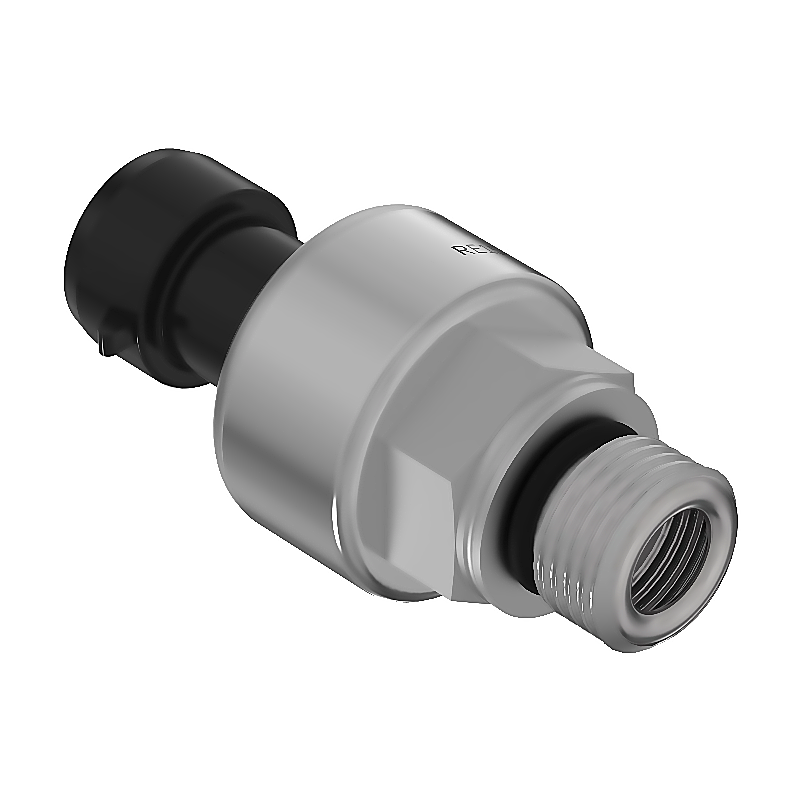
A gas pressure sensor is a precision instrument designed to measure and monitor the pressure of gases in various industrial, commercial, and residential applications. This essential device converts gas pressure into an electrical signal that can be read, recorded, and analyzed by control systems or display units. The gas pressure sensor operates by detecting changes in gas force applied to a sensing element, typically using piezoresistive, capacitive, or strain gauge technology to achieve accurate measurements. Modern gas pressure sensors feature advanced microelectromechanical systems (MEMS) technology, enabling compact designs with exceptional accuracy and reliability. These sensors can measure absolute pressure, gauge pressure, or differential pressure depending on the application requirements. The technological features include temperature compensation, digital signal processing, and intelligent calibration capabilities that ensure consistent performance across varying environmental conditions. Gas pressure sensors find extensive applications in natural gas distribution networks, industrial process control, HVAC systems, medical equipment, automotive fuel systems, and environmental monitoring stations. They play a critical role in ensuring safety by detecting pressure anomalies that could indicate leaks or system failures. With measurement ranges from low vacuum to high-pressure applications, the gas pressure sensor adapts to diverse operational needs while maintaining long-term stability and minimal drift characteristics that reduce maintenance requirements and operational costs.
Investing in a quality gas pressure sensor delivers substantial value through enhanced operational efficiency and safety management. These sensors provide real-time pressure monitoring that allows you to detect problems immediately, preventing costly equipment damage and avoiding dangerous situations before they escalate. The accurate measurements enable precise control of gas flow, which translates directly into reduced waste and lower energy consumption throughout your operations. You benefit from improved system performance as the gas pressure sensor continuously optimizes pressure levels, ensuring your equipment operates within ideal parameters for maximum efficiency and extended lifespan. The durable construction withstands harsh industrial environments, including exposure to corrosive gases, extreme temperatures, and vibration, which means fewer replacements and reduced downtime. Installation is straightforward with standardized mounting options and electrical connections, allowing quick integration into existing systems without extensive modifications or specialized expertise. The gas pressure sensor requires minimal maintenance due to solid-state electronics and sealed construction that protects internal components from contamination. You gain operational flexibility through various output signal options, including analog voltage, current loops, and digital protocols that integrate seamlessly with modern control systems and data logging equipment. The fast response time ensures your control systems react promptly to pressure changes, maintaining stable operations and preventing process disruptions. For regulatory compliance, the gas pressure sensor provides documented measurements that meet safety standards and environmental requirements. The cost-effectiveness becomes evident through reduced energy bills, fewer emergency repairs, and improved process yields that quickly offset the initial investment while delivering ongoing savings year after year.

Latest News

Why do manufacturers use contactor&relay systems in automated machinery?

12

Jun

Why do manufacturers use contactor&relay systems in automated machinery?

View More
How does a mosfet transistor reduce energy loss in electronic equipment?

12

Jun

How does a mosfet transistor reduce energy loss in electronic equipment?

View More
Is a power management ic essential for efficient energy regulation in devices?

12

Jun

Is a power management ic essential for efficient energy regulation in devices?

View More
High-Precision Measurement Technology

High-Precision Measurement Technology

The gas pressure sensor incorporates cutting-edge sensing technology that delivers exceptional accuracy and repeatability for critical applications. Advanced silicon-based sensing elements respond instantly to pressure variations, converting mechanical force into precise electrical signals with minimal hysteresis or nonlinearity. The integrated temperature compensation circuitry automatically adjusts readings to account for thermal effects, ensuring measurement reliability across wide temperature ranges from extreme cold to intense heat environments. Digital signal conditioning eliminates noise interference and enhances resolution, allowing detection of subtle pressure changes that analog systems might miss. This precision proves invaluable in applications where exact pressure control directly impacts product quality, safety margins, or regulatory compliance. The gas pressure sensor maintains calibration stability over extended periods, reducing the need for frequent recalibration and associated downtime. Built-in diagnostics continuously monitor sensor health and alert operators to potential issues before they affect measurement accuracy. Whether monitoring natural gas pipelines, controlling pneumatic systems, or ensuring proper pressurization in sealed environments, this high-precision capability provides the confidence you need to make informed decisions and maintain optimal system performance.
Robust Construction for Demanding Environments

Robust Construction for Demanding Environments

Built to withstand the toughest industrial conditions, the gas pressure sensor features ruggedized construction that ensures reliable operation where other sensors fail. The housing incorporates corrosion-resistant materials such as stainless steel or specialized alloys that resist chemical attack from aggressive gases and harsh atmospheric conditions. Environmental sealing protects sensitive electronics from moisture, dust, and particulate contamination that could compromise performance or cause premature failure. The sensing element design isolates measurement components from process media when necessary, using compatible diaphragm materials that maintain chemical compatibility while providing excellent pressure transmission. Shock and vibration resistance allow installation on equipment subject to mechanical stress without degradation in measurement quality. The gas pressure sensor operates reliably across extended temperature ranges, maintaining specification performance in both freezing outdoor installations and high-temperature industrial processes. Electromagnetic compatibility ensures accurate readings even in electrically noisy environments with variable frequency drives, welding equipment, or radio transmitters nearby. This durability translates into lower total cost of ownership through extended service life, reduced spare parts inventory, and fewer emergency replacements that disrupt operations and strain maintenance budgets.
Versatile Integration and Output Options

Versatile Integration and Output Options

The gas pressure sensor offers comprehensive connectivity and configuration options that simplify integration into virtually any monitoring or control system. Multiple output signal formats include industry-standard options that match your existing infrastructure without requiring expensive interface converters or signal conditioning equipment. Analog outputs provide continuous pressure representation ideal for traditional control loops and chart recorders, while digital communication protocols enable smart sensor functionality with bidirectional data exchange, remote configuration, and advanced diagnostics. Configurable pressure ranges and engineering units allow customization to match specific application requirements without ordering specialized variants or maintaining large inventories of different models. The gas pressure sensor supports both direct local display and remote monitoring configurations, giving you flexibility in system architecture design. Electrical connection options include threaded conduit fittings, cable glands, and quick-disconnect connectors that expedite installation and maintenance procedures. Process connection varieties accommodate different pipe sizes, mounting orientations, and adapter requirements for seamless mechanical integration. Mounting flexibility allows installation in tight spaces, vertical or horizontal orientations, and panel-mount or field-mount configurations. This versatility means the gas pressure sensor adapts to your system requirements rather than forcing you to redesign around sensor limitations, reducing engineering time and installation complexity while ensuring optimal sensor placement for accurate measurements.