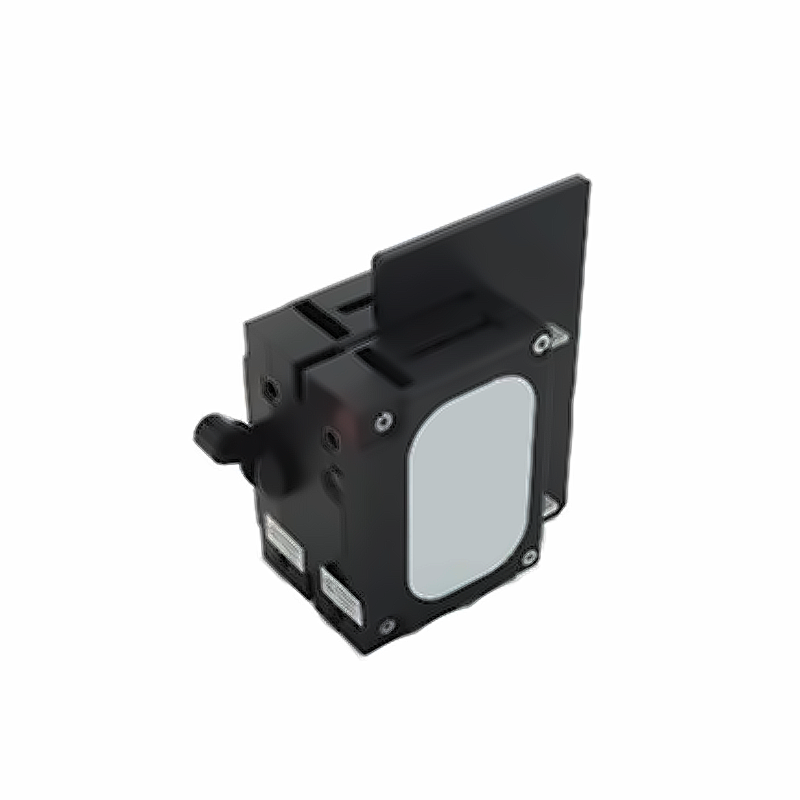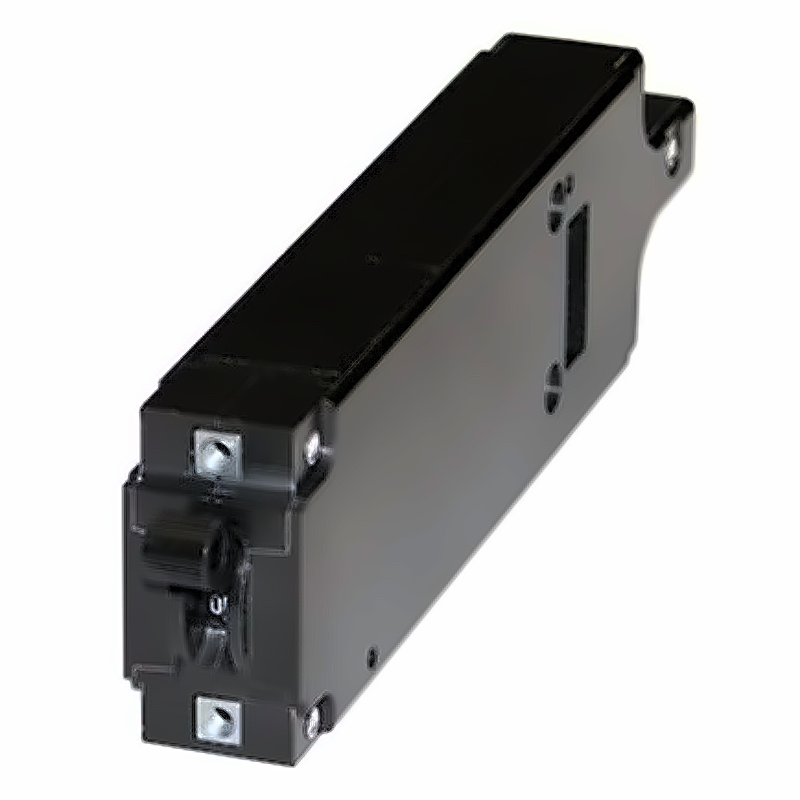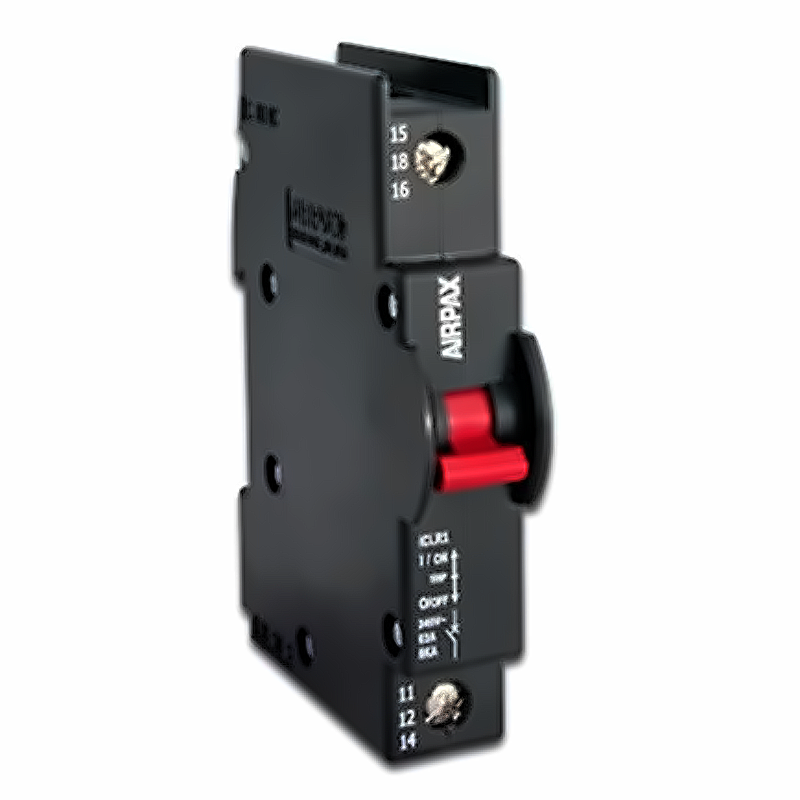
different types of fuses
Understanding the different types of fuses is essential for protecting electrical systems and equipment from overcurrent conditions. Fuses serve as critical safety devices that interrupt electrical circuits when current exceeds safe levels, preventing potential damage, fires, and hazards. The different types of fuses available today are designed to meet specific voltage ratings, current capacities, and application requirements across residential, commercial, and industrial settings. Common categories include cartridge fuses, blade fuses, glass tube fuses, and ceramic fuses, each offering distinct construction methods and performance characteristics. The main function of all different types of fuses is to provide reliable overcurrent protection through a fusible element that melts when excessive current flows through the circuit. Technological features vary significantly among different types of fuses, with some incorporating time-delay mechanisms for handling temporary current surges, while others provide fast-acting protection for sensitive electronics. Applications span automotive systems, household electrical panels, industrial machinery, electronic devices, and power distribution networks. Selecting among the different types of fuses requires understanding breaking capacity, voltage rating, current rating, and response time characteristics. Modern fuses incorporate advanced materials and precision engineering to ensure consistent performance, accurate trip points, and safe interruption of fault currents. Whether protecting delicate circuits or heavy-duty equipment, the different types of fuses offer tailored solutions that balance cost-effectiveness with reliable protection, making them indispensable components in electrical safety infrastructure worldwide.