Embedded NAND Flash: Storage Solutions Guide

Your Trusted Partner in Electronics Supply Chain. Inquire Now!

Explore Our Latest Smart Electronics Collection.

, , 
Inquiry
Inquiry

embedded nand flash

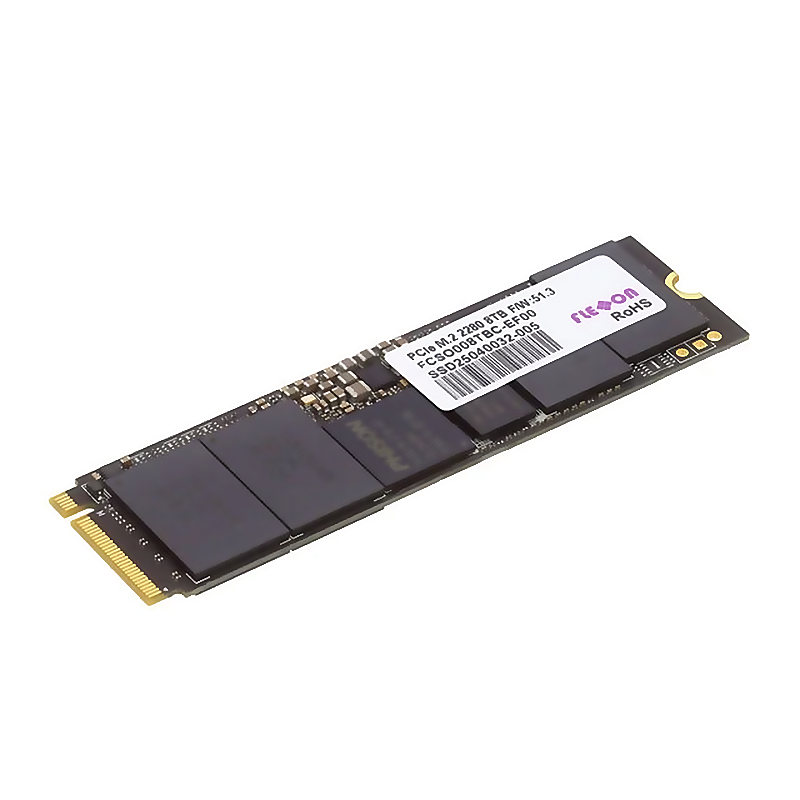
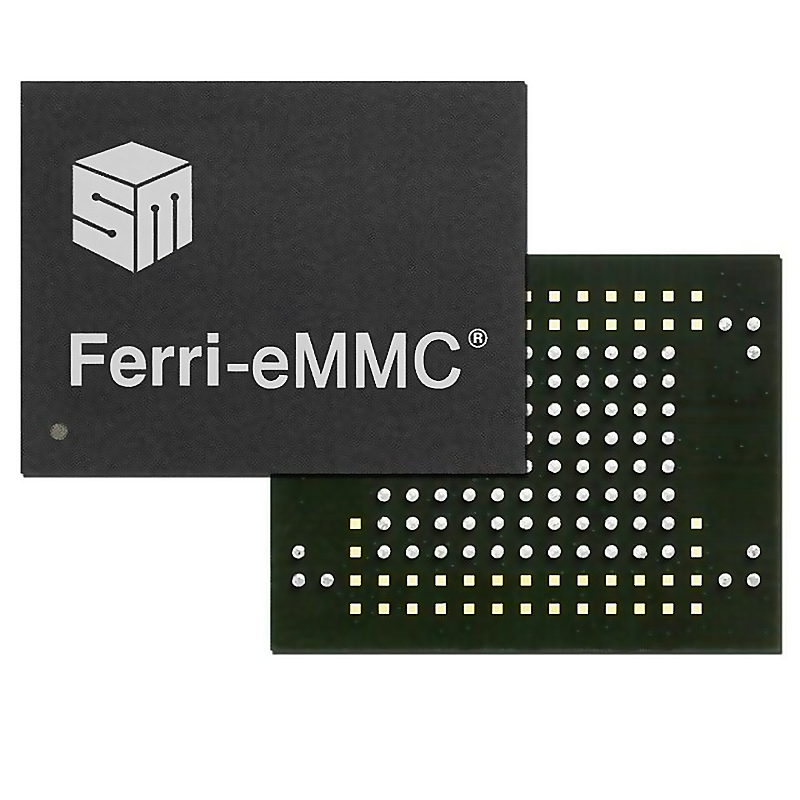
Embedded NAND flash represents a specialized non-volatile memory solution designed to provide reliable data storage directly integrated into electronic devices and systems. This embedded NAND flash technology serves as a permanent storage medium that retains information even when power is disconnected, making it essential for modern computing applications. The main functions of embedded NAND flash include storing operating systems, application software, user data, and firmware in a compact footprint suitable for space-constrained environments. Technologically, embedded NAND flash utilizes floating-gate transistor cells arranged in a grid structure, where data is stored by trapping electrical charges. This architecture enables high-density storage capacity while maintaining cost-effectiveness compared to alternative memory technologies. The memory cells are organized into pages and blocks, allowing efficient read and write operations optimized for sequential data access patterns. Key technological features include wear-leveling algorithms that distribute write cycles evenly across memory cells, error correction codes that maintain data integrity, and bad block management systems that ensure reliable long-term operation. Applications for embedded NAND flash span numerous industries and device categories. Consumer electronics such as smartphones, tablets, digital cameras, and portable media players rely heavily on this storage technology. Industrial equipment, automotive systems, networking infrastructure, and Internet of Things devices also incorporate embedded NAND flash for their storage requirements. The technology proves particularly valuable in applications demanding reliable performance, compact dimensions, shock resistance, and energy efficiency, making embedded NAND flash an indispensable component in contemporary digital systems.
Choosing embedded NAND flash delivers substantial practical benefits that directly impact your product's performance and market competitiveness. First, this storage solution offers exceptional cost efficiency, providing high storage capacity at a lower price point compared to alternative memory technologies, which translates to reduced manufacturing costs and improved profit margins for your products. The compact physical footprint of embedded NAND flash allows designers to maximize space utilization within devices, enabling sleeker product designs and leaving room for additional components or battery capacity. Power consumption represents another significant advantage, as embedded NAND flash requires minimal energy during both active operations and standby modes, extending battery life in portable devices and reducing operational costs in always-on systems. Durability stands out as a crucial benefit, with no moving parts making embedded NAND flash highly resistant to physical shock, vibration, and environmental factors that would damage mechanical storage solutions. This ruggedness ensures reliable operation in challenging conditions, from automotive environments to industrial settings. The fast read speeds of embedded NAND flash enhance user experience by reducing application load times and improving overall system responsiveness, which customers immediately notice and appreciate. Write speeds, while slower than reads, continue improving with each generation, making embedded NAND flash suitable for increasingly demanding applications. Scalability provides flexibility for product lines, as embedded NAND flash is available in various capacity options, allowing manufacturers to offer tiered product configurations matching different customer needs and price points. The technology's maturity means established supply chains, standardized interfaces, and proven reliability, reducing development risks and accelerating time-to-market. Additionally, embedded NAND flash supports advanced features like encryption and secure boot capabilities, addressing growing security requirements across industries without requiring separate security components.

Practical Tips

Strategic Hardware Design for High-Density Mobile Electronics: A Comprehensive Layout and Component Selection Guide

11

May

Strategic Hardware Design for High-Density Mobile Electronics: A Comprehensive Layout and Component Selection Guide

Struggling with signal integrity & power stability in ultra-compact laptops? This expert guide covers IC layout, passive component selection, ESD protection & embedded solutions. Optimize your next-gen design now.
View More
How does a mosfet transistor improve efficiency in industrial power systems?

12

Jun

How does a mosfet transistor improve efficiency in industrial power systems?

View More
How does a mosfet transistor reduce energy loss in electronic equipment?

12

Jun

How does a mosfet transistor reduce energy loss in electronic equipment?

View More
Superior Storage Density and Capacity Scaling

Superior Storage Density and Capacity Scaling

Embedded NAND flash delivers outstanding storage density, packing massive amounts of data into remarkably small physical spaces, which proves essential for modern device miniaturization trends. As technology advances through smaller manufacturing process nodes, embedded NAND flash continues scaling to higher capacities without proportionally increasing chip size or cost. This density advantage stems from the fundamental cell architecture, where multiple bits can be stored in single transistor cells through multi-level cell, triple-level cell, and quad-level cell technologies. Manufacturers benefit from this scalability by offering product variants with different storage tiers, meeting diverse market segments from budget-conscious consumers to power users demanding maximum capacity. The high density also reduces the number of components needed on circuit boards, simplifying assembly processes and improving manufacturing yields. For end users, greater storage capacity means more room for applications, media files, documents, and system updates without worrying about running out of space. As software and content files grow larger with each generation, the capacity scaling of embedded NAND flash ensures devices remain relevant and functional throughout their intended lifespan, protecting customer investments and enhancing satisfaction.
Enhanced Reliability Through Advanced Management Features

Enhanced Reliability Through Advanced Management Features

Embedded NAND flash incorporates sophisticated management features that significantly enhance reliability and extend operational lifespan beyond basic memory functions. Wear-leveling algorithms intelligently distribute write operations across all available memory cells, preventing premature failure of frequently accessed locations and ensuring the entire memory array ages uniformly. This management extends the practical lifetime of embedded NAND flash far beyond what raw cell endurance would suggest, making it suitable for applications with heavy write workloads. Error correction code mechanisms continuously monitor data integrity, detecting and correcting bit errors that naturally occur over time or due to electrical interference, maintaining data accuracy without user intervention. Bad block management systems identify manufacturing defects and cells that degrade during operation, automatically remapping data to healthy blocks and maintaining full storage capacity from the user perspective. These embedded intelligence features operate transparently, requiring no special software or user actions, which simplifies system integration for developers and ensures consistent performance. Temperature monitoring and thermal throttling protect data during extreme conditions, while sudden power-loss protection mechanisms safeguard information during unexpected shutdowns. Together, these advanced management features make embedded NAND flash exceptionally reliable for mission-critical applications where data loss or corruption would have serious consequences, providing peace of mind for both manufacturers and end users.
Optimal Performance for Real-World Application Patterns

Optimal Performance for Real-World Application Patterns

Embedded NAND flash delivers performance characteristics specifically optimized for the sequential access patterns common in real-world applications, making it ideal for typical device usage scenarios. Read operations execute extremely quickly, enabling rapid boot times, instant application launches, and smooth multimedia playback that users expect from modern devices. While write speeds are inherently slower than reads due to the underlying physics of charge storage, embedded NAND flash employs caching strategies and buffering techniques that mask this limitation during normal use. For typical application workflows involving more reads than writes, embedded NAND flash provides the right performance balance at an attractive cost point. The block-based architecture aligns well with file system operations and database management, where data is typically accessed in larger chunks rather than random individual bytes. This alignment results in efficient storage utilization and predictable performance across diverse applications. Modern embedded NAND flash implementations also support advanced command queuing and parallel channel operations, allowing multiple data transfers simultaneously to maximize throughput. For streaming video recording, continuous sensor data logging, and similar sustained write scenarios, embedded NAND flash provides sufficient performance while maintaining energy efficiency. The performance consistency across temperature ranges and throughout the device lifetime ensures users experience reliable operation regardless of environmental conditions or device age, which builds brand reputation and customer loyalty.