MOSFET Transistor Guide: Features & Benefits

Your Trusted Partner in Electronics Supply Chain. Inquire Now!

Explore Our Latest Smart Electronics Collection.

, , 
Inquiry
Inquiry

mosfet transistor

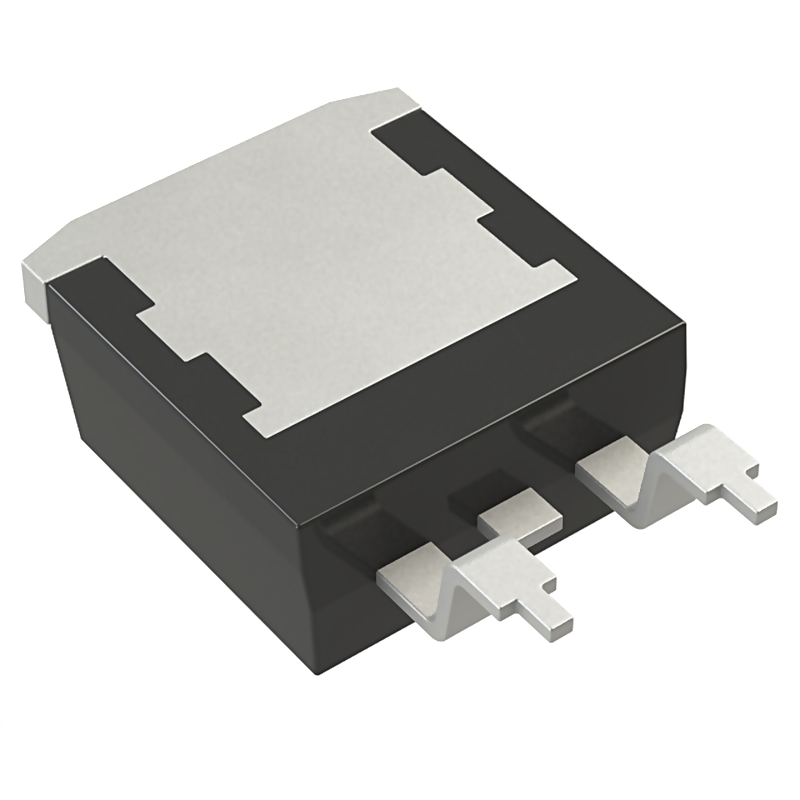
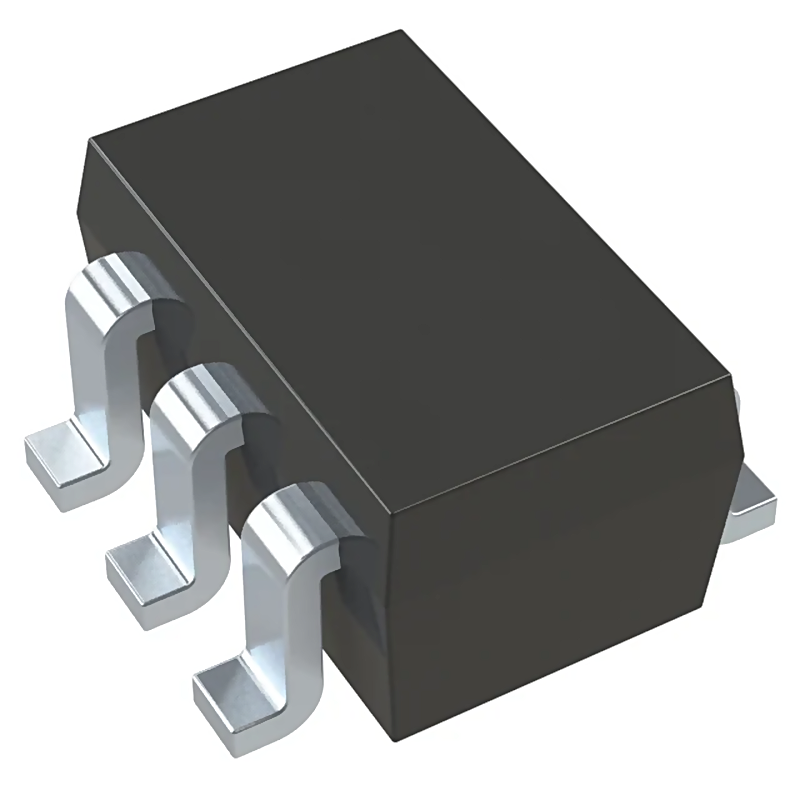
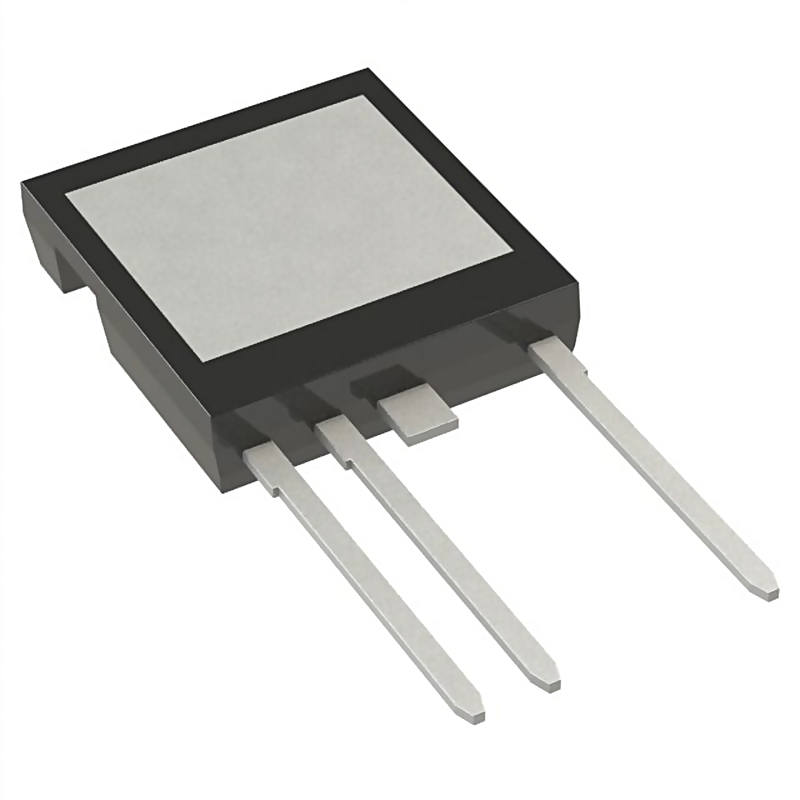
The mosfet transistor, or Metal-Oxide-Semiconductor Field-Effect Transistor, is a fundamental semiconductor device that controls electrical current flow in modern electronic circuits. This versatile component operates by using an electric field to regulate conductivity between its source and drain terminals. The mosfet transistor features three main terminals: the gate, source, and drain, with the gate terminal controlling current flow through voltage application rather than current injection. Its construction includes a metal gate electrode separated from the semiconductor channel by a thin insulating oxide layer, typically silicon dioxide. The mosfet transistor functions as an electronic switch or amplifier, making it essential for digital logic circuits, power management systems, and analog applications. Its technological features include high input impedance, fast switching speeds, and excellent scalability, allowing manufacturers to create increasingly compact integrated circuits. The mosfet transistor comes in two primary types: enhancement mode and depletion mode, with N-channel and P-channel variations. These devices dominate modern electronics due to their low power consumption during static operation and high packing density. Applications span across microprocessors, memory chips, power supplies, motor controllers, audio amplifiers, and radio frequency circuits. The mosfet transistor has revolutionized computing technology, enabling the development of powerful smartphones, tablets, and computers that define contemporary digital life.
The mosfet transistor delivers exceptional energy efficiency that directly reduces your electricity costs and extends battery life in portable devices. Unlike older transistor technologies, the mosfet transistor consumes virtually no power when idle, making it perfect for battery-operated products where longevity matters. This efficiency translates to cooler operation, eliminating the need for bulky cooling systems and reducing your maintenance requirements. The switching speed of the mosfet transistor outperforms many alternatives, enabling faster processing in computers and responsive control in power electronics. This speed advantage means your devices can handle more tasks simultaneously without lag or delay. The simple voltage-controlled operation of the mosfet transistor simplifies circuit design, reducing component counts and lowering manufacturing costs that benefit your budget. Its high input resistance means the mosfet transistor draws minimal current from preceding circuit stages, preventing signal degradation and ensuring reliable system performance. The compact size allows manufacturers to integrate billions of mosfet transistors onto single chips, delivering powerful computing capabilities in pocket-sized devices. The mosfet transistor offers excellent reliability with long operational lifespans, minimizing replacement frequency and downtime costs. Its versatility suits diverse applications from low-power sensors to high-power motor drives, providing a single solution across multiple product categories. The mosfet transistor withstands harsh conditions and maintains stable performance across wide temperature ranges, ensuring dependable operation in challenging environments. This robust nature reduces failure rates and warranty claims, protecting your investment while delivering consistent results throughout the product lifecycle.

Tips And Tricks

Why do engineers choose mosfet transistor devices for power management designs?

12

Jun

Why do engineers choose mosfet transistor devices for power management designs?

View More
How does a mosfet transistor reduce energy loss in electronic equipment?

12

Jun

How does a mosfet transistor reduce energy loss in electronic equipment?

View More
How does a power management ic improve efficiency in automotive electronics?

12

Jun

How does a power management ic improve efficiency in automotive electronics?

View More
Superior Energy Efficiency and Thermal Management

Superior Energy Efficiency and Thermal Management

The mosfet transistor stands out for its remarkable energy efficiency, which represents a critical advantage in today's power-conscious world. When operating in its off state, the mosfet transistor consumes virtually zero static power, a characteristic that dramatically reduces overall energy consumption in electronic systems. This efficiency stems from its unique voltage-controlled operation mechanism, where the insulating oxide layer prevents current leakage between the gate and channel. In practical terms, devices using the mosfet transistor generate significantly less heat during operation compared to alternatives, which eliminates the need for expensive cooling infrastructure and improves system reliability. For battery-powered applications, this efficiency directly translates to extended runtime between charges, enhancing user satisfaction and product competitiveness. Industrial equipment benefits from reduced electricity bills and lower cooling costs, improving operational profitability. The thermal advantage of the mosfet transistor also enables higher power density designs, allowing engineers to pack more functionality into smaller enclosures without overheating concerns. This combination of energy savings and thermal performance makes the mosfet transistor an economically and environmentally responsible choice for modern electronics.
Exceptional Switching Speed and Response Time

Exceptional Switching Speed and Response Time

The mosfet transistor delivers outstanding switching performance that enables rapid signal processing and precise control in demanding applications. Its ability to transition between on and off states in nanoseconds makes the mosfet transistor ideal for high-frequency circuits, including modern microprocessors operating at gigahertz speeds. This fast switching capability results from the field-effect control mechanism, which eliminates the charge storage delays inherent in other transistor types. In power electronics, the quick response of the mosfet transistor minimizes switching losses during state transitions, further enhancing overall efficiency. Motor control systems benefit from smooth, precise speed regulation thanks to rapid pulse-width modulation enabled by the mosfet transistor. Communication devices achieve higher data transmission rates because the mosfet transistor can accurately reproduce high-frequency signals without distortion. Digital circuits perform complex calculations faster, improving user experience in computers and smartphones. The superior switching speed of the mosfet transistor also reduces electromagnetic interference, simplifying compliance with regulatory standards and improving system compatibility. This performance advantage positions the mosfet transistor as the preferred choice for applications where speed, precision, and efficiency cannot be compromised.
Simplified Design and Manufacturing Scalability

Simplified Design and Manufacturing Scalability

The mosfet transistor offers exceptional design simplicity and manufacturing scalability that reduce development time and production costs. Its voltage-controlled operation eliminates the need for complex biasing networks required by current-controlled devices, simplifying circuit design and reducing component counts. Engineers can create more reliable systems with fewer potential failure points, enhancing product quality and customer satisfaction. The planar structure of the mosfet transistor integrates seamlessly with modern photolithographic manufacturing processes, enabling mass production with consistent quality and tight performance tolerances. As semiconductor technology advances, the mosfet transistor scales effectively to smaller geometries, allowing manufacturers to continually increase transistor density and processing power without fundamental redesign. This scalability has enabled the remarkable progress in computing power described by Moore's Law, where transistor counts double regularly while costs decrease. The mosfet transistor supports both digital and analog applications within the same integrated circuit, reducing the need for multiple specialized components and simplifying system architecture. Its compatibility with automated manufacturing and testing procedures ensures high production yields and lower per-unit costs, making advanced electronics accessible to broader markets and diverse applications worldwide.