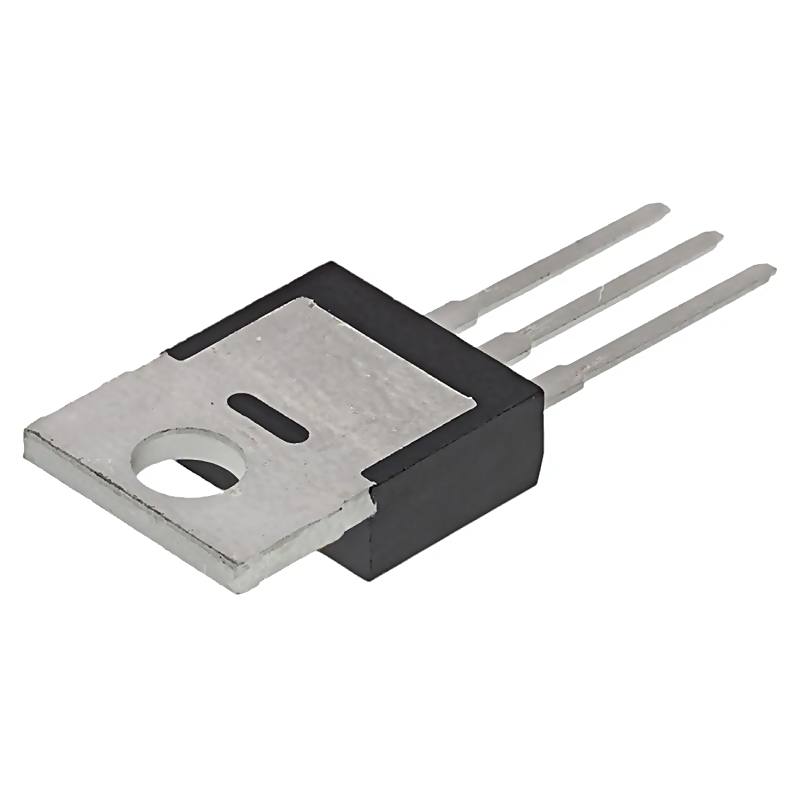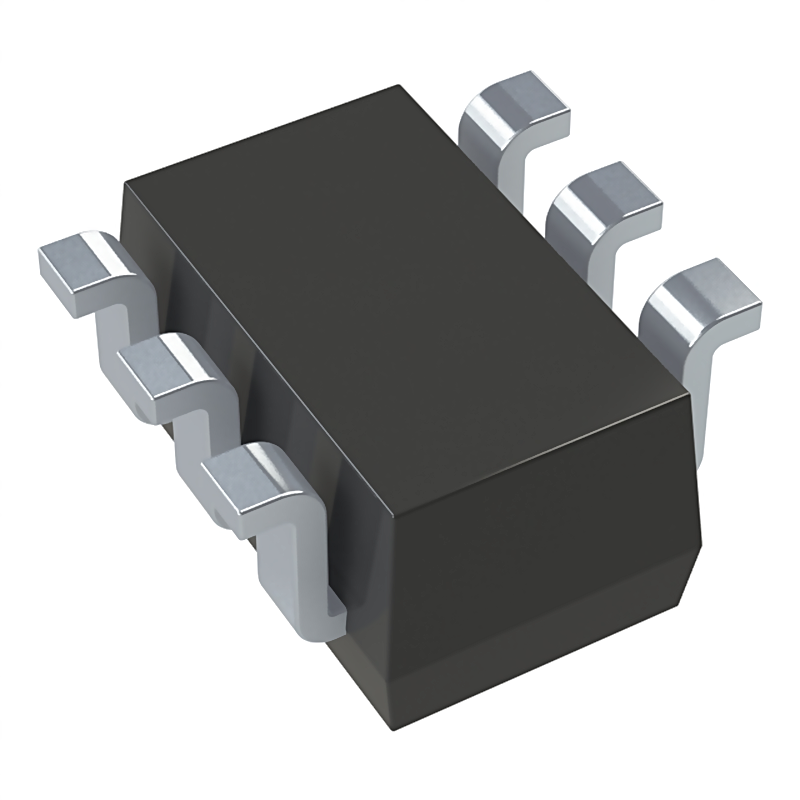
tranzystor mosfet
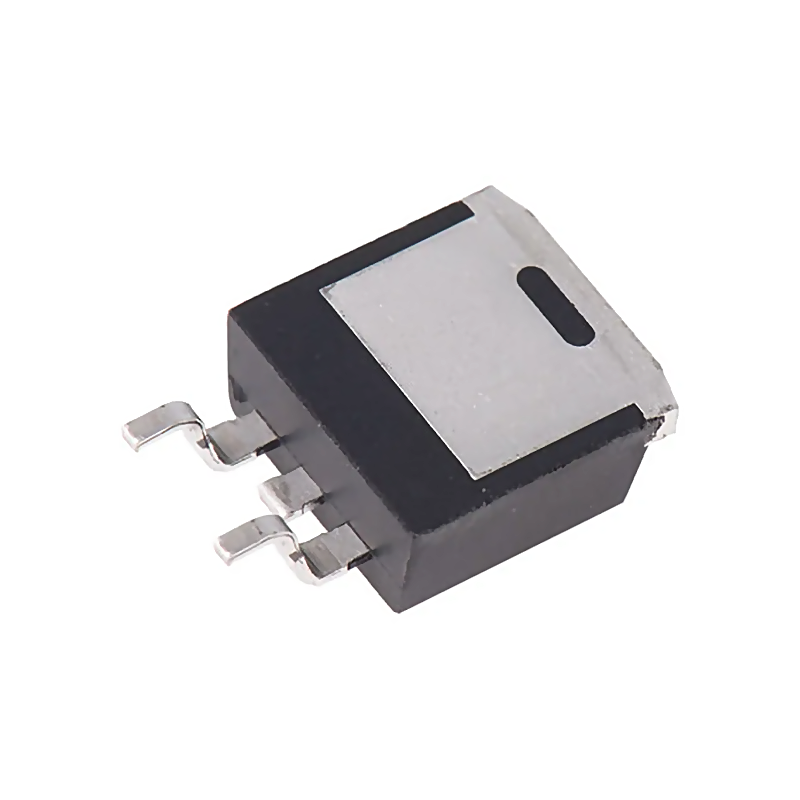
The tranzystor mosfet, or Metal-Oxide-Semiconductor Field-Effect Transistor, stands as one of the most essential semiconductor devices in modern electronics. This fundamental component controls electrical current flow through voltage applied to its gate terminal, making it indispensable for switching and amplification applications. The tranzystor mosfet operates by creating an electric field that modulates conductivity between its source and drain terminals, separated by a thin insulating oxide layer beneath the gate. Available in two primary types—enhancement mode and depletion mode—these transistors serve diverse circuit requirements. The enhancement-mode tranzystor mosfet remains off until sufficient gate voltage is applied, while depletion-mode variants conduct by default and require voltage to turn off. Modern manufacturing processes have enabled incredibly small tranzystor mosfet designs, with feature sizes now measured in nanometers, allowing billions of transistors on single microprocessor chips. These components excel in digital circuits, power management systems, motor controllers, and signal processing applications. The tranzystor mosfet technology continues advancing with improved efficiency, faster switching speeds, and reduced power consumption. Its three-terminal structure—gate, source, and drain—provides excellent control characteristics, making it superior to older bipolar transistors for many applications. From smartphones to industrial machinery, the tranzystor mosfet enables the digital revolution, powering everything from microcontrollers to high-voltage power supplies with remarkable versatility and reliability.