MOSFET Transistor Price Guide & Value Analysis

Your Trusted Partner in Electronics Supply Chain. Inquire Now!

Explore Our Latest Smart Electronics Collection.

, , 
Inquiry
Inquiry

mosfet transistor price

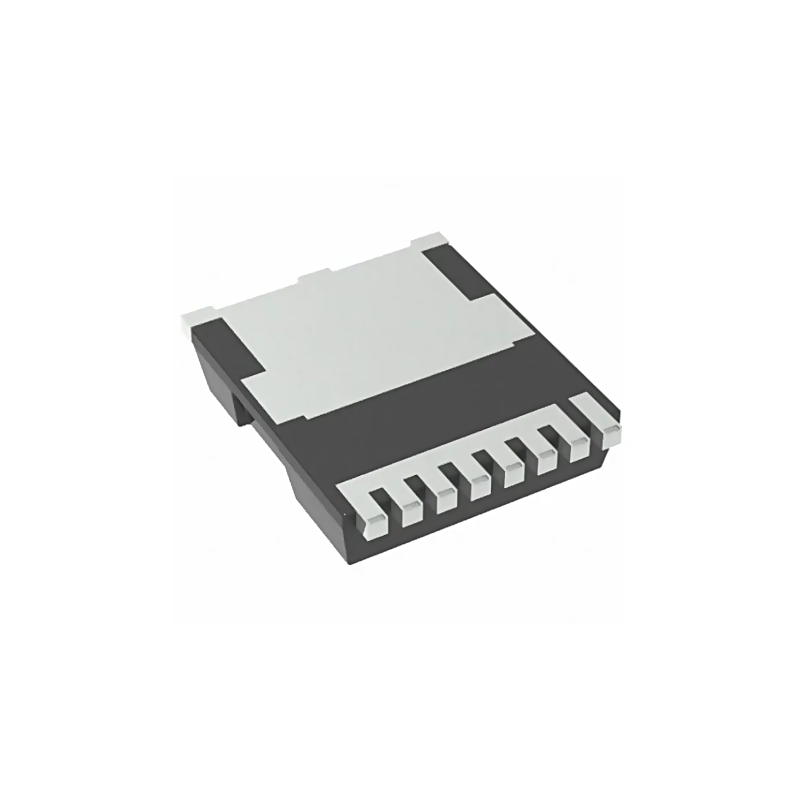
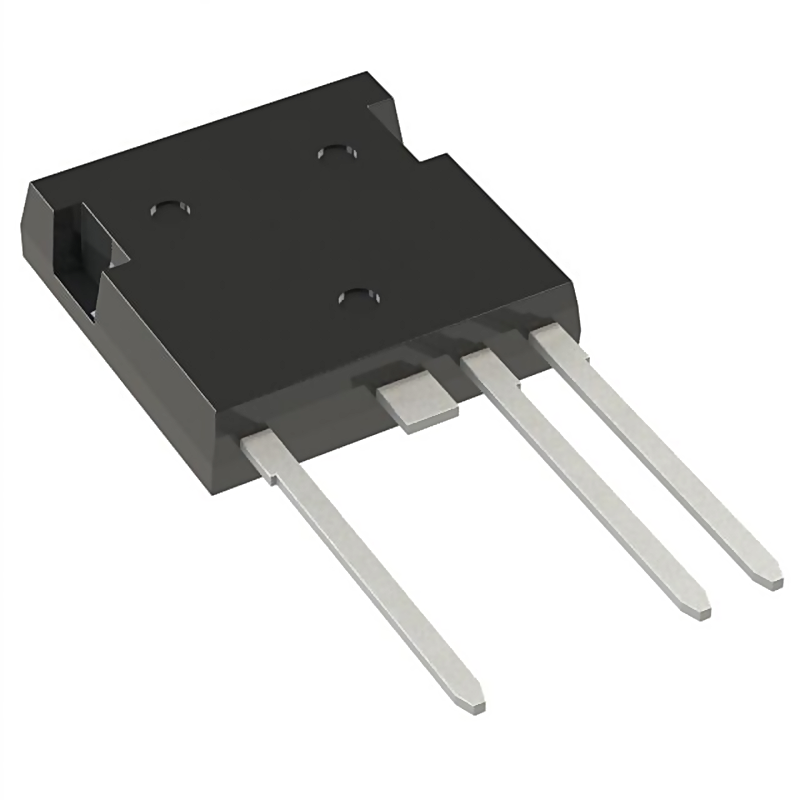
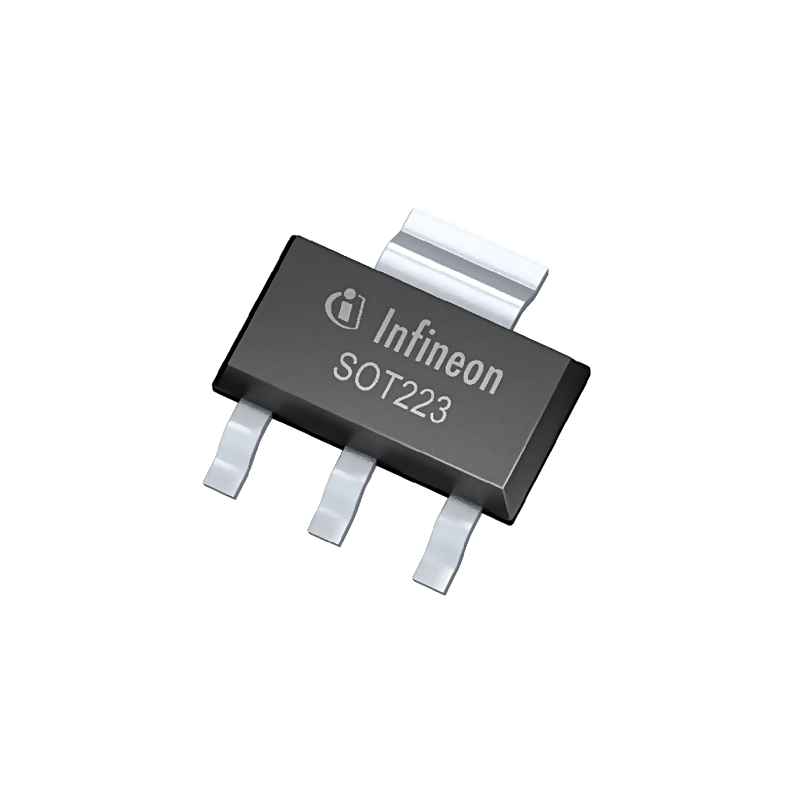
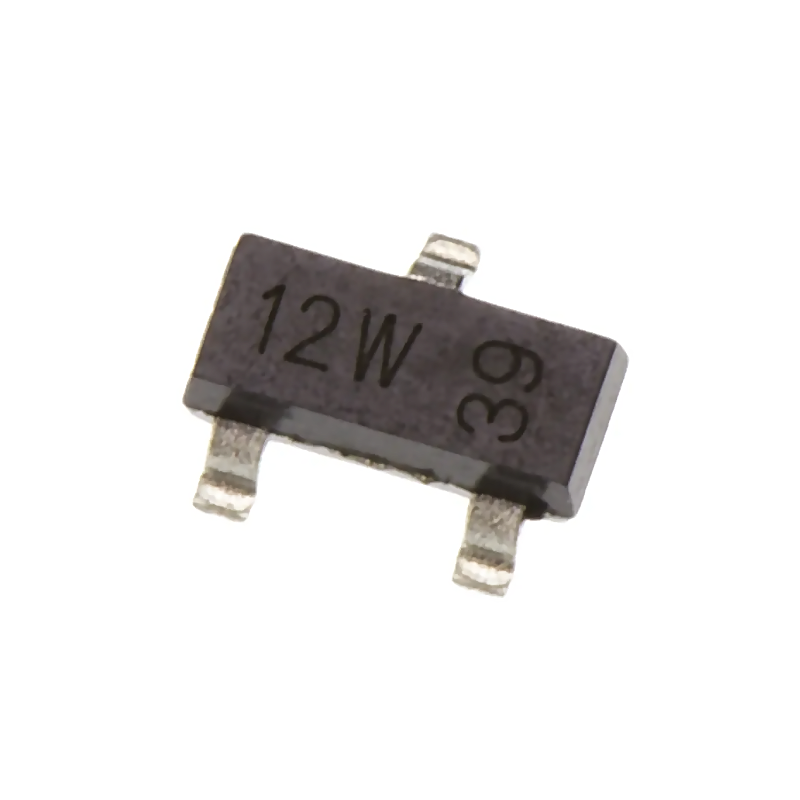
Understanding MOSFET transistor price is essential for engineers, manufacturers, and electronics enthusiasts seeking cost-effective switching and amplification solutions. MOSFET (Metal-Oxide-Semiconductor Field-Effect Transistor) components are fundamental building blocks in modern electronics, offering superior performance in power management, signal processing, and digital logic applications. The MOSFET transistor price varies significantly based on voltage ratings, current handling capacity, package types, and manufacturing technology. Entry-level MOSFETs suitable for low-power applications typically range from a few cents to several dollars per unit, while high-performance devices for industrial and automotive applications can cost considerably more. Key technological features influencing MOSFET transistor price include on-resistance (RDS(on)), switching speed, thermal characteristics, and gate charge specifications. Lower on-resistance models generally command premium pricing due to reduced power loss and improved efficiency. MOSFETs find applications across diverse sectors including power supplies, motor control systems, audio amplifiers, LED drivers, battery management systems, and renewable energy converters. The choice between N-channel and P-channel types, enhancement or depletion mode operation, and surface-mount versus through-hole packaging all impact final cost considerations. When evaluating MOSFET transistor price, buyers should consider total cost of ownership, including thermal management requirements, driver circuitry complexity, and reliability factors. Volume purchasing, manufacturer selection, and specification optimization significantly influence overall procurement expenses, making informed decision-making crucial for project success and budget management.
When evaluating MOSFET transistor price considerations, buyers gain substantial practical benefits that extend beyond initial component costs. Understanding pricing structures helps identify optimal performance-to-cost ratios for specific applications, ensuring projects remain within budget while meeting technical requirements. The competitive MOSFET transistor price landscape enables designers to select from numerous manufacturers and product lines, fostering innovation through accessible technology. Cost-effective MOSFETs deliver exceptional energy efficiency, translating to reduced operational expenses through lower heat dissipation and minimized cooling requirements. This efficiency advantage becomes particularly valuable in battery-powered devices where extended runtime directly impacts user satisfaction and product competitiveness. The favorable MOSFET transistor price point for modern devices makes advanced switching technologies accessible to startups, hobbyists, and educational institutions, democratizing electronics development. Buyers benefit from economies of scale as widespread MOSFET adoption drives manufacturing improvements and cost reductions across the industry. Transparent pricing information empowers informed purchasing decisions, allowing engineers to balance specifications against budget constraints effectively. The relatively affordable MOSFET transistor price compared to alternative switching technologies reduces barriers to entry for new product development and prototyping activities. Operational benefits include simplified circuit designs that require fewer external components, reducing overall bill-of-materials costs beyond the transistor itself. Application suitability spans from milliwatt signal switching to kilowatt power conversion, with pricing tiers matching performance requirements appropriately. Decision-useful context around MOSFET transistor price helps procurement teams negotiate volume discounts, establish reliable supply chains, and forecast project expenses accurately. The standardization of MOSFET packages and specifications ensures multiple sourcing options, preventing vendor lock-in and maintaining competitive pricing pressure that ultimately benefits end customers through better value propositions.

Tips And Tricks

Strategic Hardware Design for High-Density Mobile Electronics: A Comprehensive Layout and Component Selection Guide

11

May

Strategic Hardware Design for High-Density Mobile Electronics: A Comprehensive Layout and Component Selection Guide

Struggling with signal integrity & power stability in ultra-compact laptops? This expert guide covers IC layout, passive component selection, ESD protection & embedded solutions. Optimize your next-gen design now.
View More
Can a mosfet transistor support automotive and renewable energy applications?

12

Jun

Can a mosfet transistor support automotive and renewable energy applications?

View More
What advantages do ic solutions provide for embedded electronic system development?

12

Jun

What advantages do ic solutions provide for embedded electronic system development?

View More
Is a power management ic essential for efficient energy regulation in devices?

12

Jun

Is a power management ic essential for efficient energy regulation in devices?

View More
Cost-Effective Performance Optimization

Cost-Effective Performance Optimization

The MOSFET transistor price structure reflects a remarkable balance between manufacturing sophistication and market accessibility, enabling designers to achieve optimal performance without excessive expenditure. Modern fabrication techniques have dramatically reduced production costs while simultaneously improving electrical characteristics, creating unprecedented value for electronics developers. When analyzing MOSFET transistor price across different performance tiers, buyers discover that incremental specification improvements often require only modest cost increases, making premium features accessible for demanding applications. This pricing dynamic encourages designers to specify higher-quality components that enhance system reliability and efficiency without significantly impacting project budgets. The transparent relationship between MOSFET transistor price and key parameters like voltage rating, current capacity, and switching speed allows engineers to make data-driven component selections that align precisely with application requirements. Strategic sourcing based on comprehensive MOSFET transistor price comparisons enables substantial cost savings across production volumes, particularly when designers identify functionally equivalent alternatives from multiple manufacturers. Understanding how package types, certification requirements, and ordering quantities influence MOSFET transistor price empowers procurement teams to optimize purchasing strategies and negotiate favorable terms with distributors and manufacturers.
Scalable Solutions Across Applications

Scalable Solutions Across Applications

The diverse MOSFET transistor price spectrum accommodates projects ranging from consumer electronics to industrial automation, ensuring appropriate solutions exist for every budget and performance requirement. Entry-level MOSFETs with competitive pricing serve educational purposes, hobbyist projects, and cost-sensitive consumer products, while specialized devices justify premium MOSFET transistor price points through enhanced reliability, extended temperature ranges, and superior electrical characteristics demanded by automotive, aerospace, and medical applications. This scalability enables designers to maintain consistent design approaches across product lines while adjusting component selection based on application-specific demands and target market positioning. The availability of pin-compatible MOSFET families at various price points facilitates product differentiation strategies where manufacturers offer good-better-best product tiers without redesigning circuit boards. Evaluating MOSFET transistor price alongside lifecycle costs reveals that investing in higher-quality components often reduces warranty expenses, field failures, and reputation risks that far exceed initial savings from cheaper alternatives. The predictable relationship between MOSFET transistor price and performance metrics allows accurate cost modeling during product development phases, preventing budget overruns and enabling realistic pricing strategies for finished products in competitive markets.
Market Transparency and Supply Flexibility

Market Transparency and Supply Flexibility

Contemporary MOSFET transistor price information benefits from unprecedented market transparency through online distributors, manufacturer direct channels, and aggregator platforms that provide real-time pricing, availability data, and specification comparisons. This visibility empowers buyers to make informed decisions quickly, comparing MOSFET transistor price across multiple suppliers to identify optimal purchasing opportunities and avoid supply chain disruptions. The commodity nature of standard MOSFET types ensures competitive pricing pressure that prevents monopolistic pricing while maintaining healthy profit margins for manufacturers to fund continued innovation. Understanding typical MOSFET transistor price ranges for common specifications helps engineers detect unusually high quotations that may indicate supply constraints or inappropriate vendor selection, protecting project budgets from unnecessary inflation. The availability of both authorized distributors and independent brokers creates pricing flexibility, though buyers should balance MOSFET transistor price considerations against authenticity guarantees and warranty support when selecting sources. Seasonal fluctuations, raw material costs, and semiconductor industry capacity cycles influence MOSFET transistor price trends, making timing considerations relevant for large-volume purchases where even small per-unit savings generate significant total cost reductions. Strategic relationships with preferred suppliers often yield favorable MOSFET transistor price agreements, priority allocation during shortage periods, and access to engineering support resources that enhance overall project success beyond mere component cost considerations.