Low Resistance MOSFET: Efficient Power Solutions

Your Trusted Partner in Electronics Supply Chain. Inquire Now!

Explore Our Latest Smart Electronics Collection.

, , 
Inquiry
Inquiry

low resistance mosfet

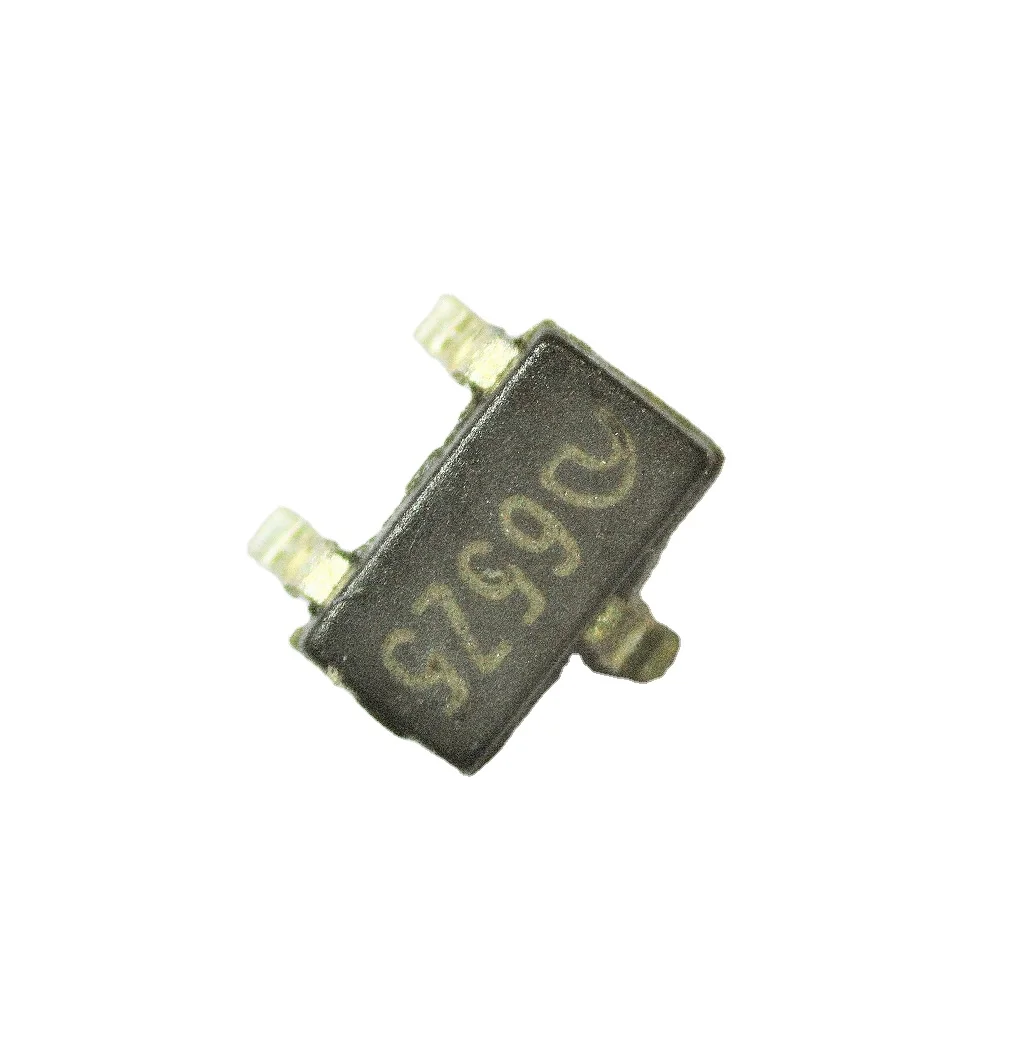
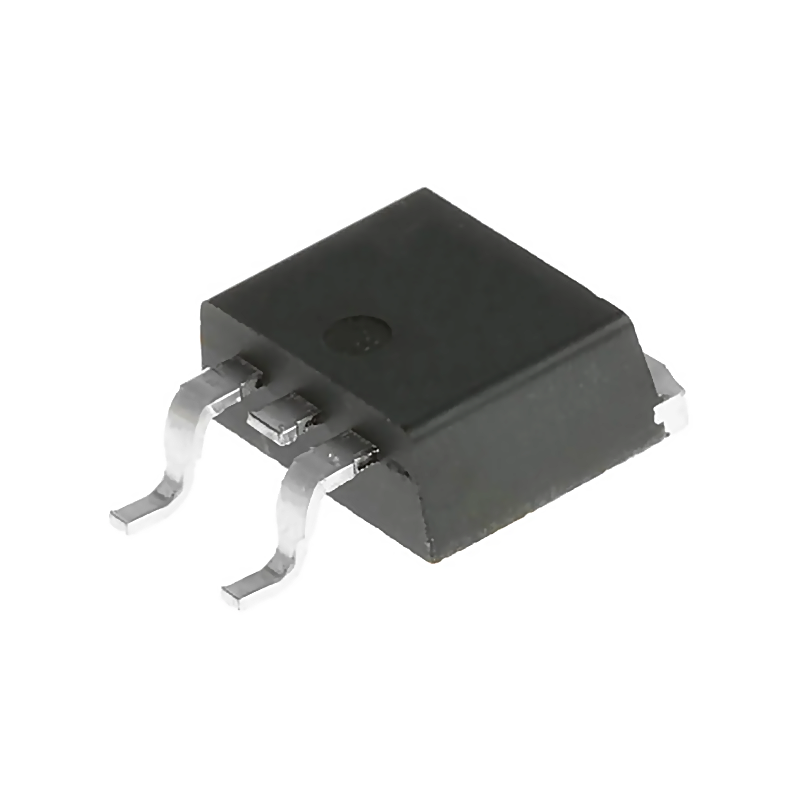
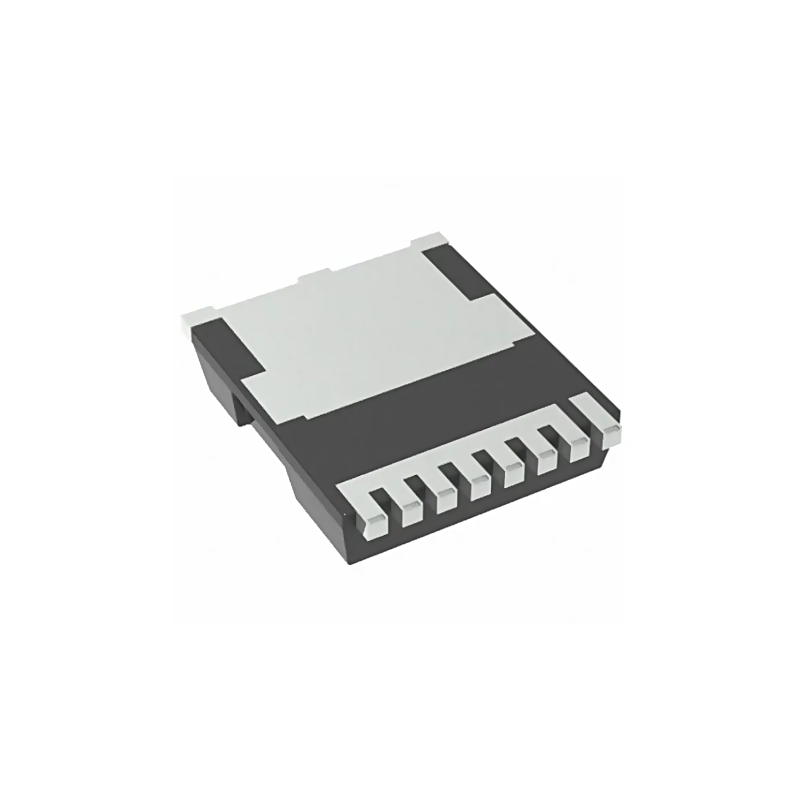
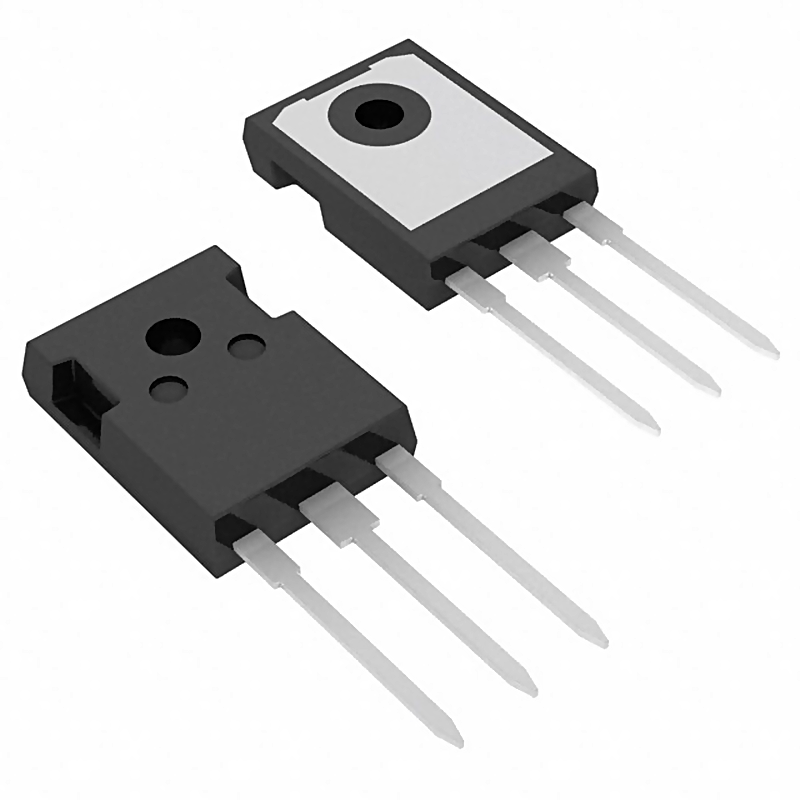
A low resistance mosfet is a specialized metal-oxide-semiconductor field-effect transistor engineered to minimize on-resistance during operation, enabling superior electrical efficiency and thermal performance. This advanced semiconductor component features an optimized channel structure that significantly reduces the resistance between drain and source terminals when the device is fully switched on. The primary function of a low resistance mosfet is to act as an efficient electronic switch or voltage-controlled resistor in power management circuits, delivering minimal power loss and reduced heat generation compared to standard mosfets. Technological features include advanced silicon die designs, enhanced gate structures, and optimized doping profiles that work together to achieve remarkably low RDS(on) values, often measured in milliohms. These devices incorporate cutting-edge fabrication processes such as trench technology and super-junction architectures to maximize current-carrying capability while maintaining compact form factors. Applications for low resistance mosfet technology span diverse industries including consumer electronics, automotive systems, telecommunications infrastructure, renewable energy converters, and industrial automation equipment. They are particularly valuable in DC-DC converters, battery management systems, motor control circuits, power supplies, and voltage regulation modules where efficiency directly impacts system performance and operational costs. The low resistance mosfet has become an essential component in modern power electronics, enabling designers to create more compact, reliable, and energy-efficient solutions that meet stringent performance requirements while reducing environmental impact through decreased energy consumption and improved thermal management capabilities.
Choosing a low resistance mosfet delivers substantial practical benefits that directly impact your bottom line and product performance. The most immediate advantage is exceptional energy efficiency, as the reduced on-resistance translates to minimal power dissipation during switching operations, which means your devices consume less electricity and generate lower operating costs over their lifetime. This efficiency gain becomes particularly valuable in battery-powered applications where every watt saved extends runtime and enhances user satisfaction. The thermal advantages are equally compelling, since lower resistance means less heat generation during operation, allowing you to design more compact systems with simplified cooling requirements or eliminate bulky heatsinks entirely, reducing both material costs and product weight. This thermal efficiency also extends component lifespan and improves reliability, as cooler operating temperatures reduce stress on surrounding components and solder joints. For manufacturers, incorporating a low resistance mosfet enables higher power density designs, allowing you to pack more functionality into smaller enclosures while maintaining safe operating temperatures. The improved switching characteristics provide faster response times and reduced switching losses, making these devices ideal for high-frequency applications where traditional components would create unacceptable inefficiencies. From a competitive standpoint, products utilizing low resistance mosfet technology demonstrate superior performance metrics that resonate with environmentally conscious consumers and meet increasingly strict energy efficiency regulations worldwide. The operational benefits extend to reduced electromagnetic interference due to cleaner switching behavior, simplified circuit designs requiring fewer external components, and enhanced system stability across varying load conditions. These practical advantages combine to deliver measurable return on investment through reduced warranty claims, lower energy bills, enhanced product differentiation, and improved customer satisfaction ratings that drive repeat business and positive market reputation.

Practical Tips

Why do manufacturers use contactor&relay systems in automated machinery?

12

Jun

Why do manufacturers use contactor&relay systems in automated machinery?

View More
How do ic solutions improve integration in automotive and industrial electronics?

12

Jun

How do ic solutions improve integration in automotive and industrial electronics?

View More
Is a power management ic essential for efficient energy regulation in devices?

12

Jun

Is a power management ic essential for efficient energy regulation in devices?

View More
Can a power management ic reduce heat generation in industrial systems?

12

Jun

Can a power management ic reduce heat generation in industrial systems?

View More
Ultra-Low On-Resistance for Maximum Efficiency

Ultra-Low On-Resistance for Maximum Efficiency

The defining characteristic of a low resistance mosfet is its exceptionally minimal on-resistance, typically ranging from single-digit milliohms to just fractions of an ohm depending on voltage rating and package configuration. This ultra-low RDS(on) specification represents a breakthrough in power semiconductor technology, achieved through sophisticated manufacturing processes that optimize the silicon structure at the microscopic level. When current flows through the device during the on-state, this minimal resistance dramatically reduces conductive losses that would otherwise convert precious electrical energy into wasted heat. For practical applications, this means your power conversion circuits can achieve efficiency ratings exceeding ninety-five percent, sometimes approaching ninety-eight percent in optimized designs. The importance of this feature cannot be overstated in applications ranging from smartphone chargers to electric vehicle inverters, where even small efficiency improvements translate to tangible benefits. In battery-operated devices, the reduced power loss directly extends operational time between charges, enhancing user experience and product competitiveness. For grid-connected systems, the cumulative energy savings across thousands of operating hours result in substantial cost reductions and environmental benefits through decreased carbon footprint. This efficiency advantage also enables passive cooling solutions in many applications where conventional components would require active fan-based cooling, reducing system complexity, noise levels, and potential failure points while lowering manufacturing costs.
Superior Thermal Management and Reliability

Superior Thermal Management and Reliability

The low resistance mosfet excels in thermal performance, offering significant advantages for system reliability and longevity that extend far beyond simple efficiency numbers. Because these devices generate substantially less heat during operation compared to higher-resistance alternatives, they operate at cooler junction temperatures even under continuous high-current conditions. This reduced thermal stress has profound implications for product reliability, as semiconductor failure rates decrease exponentially with lower operating temperatures according to established physics principles. The cooler operation enables designers to specify smaller heatsinks or eliminate them altogether in moderate power applications, reducing bill-of-materials costs and simplifying mechanical design requirements. Enhanced thermal characteristics also permit higher current densities within existing package sizes, allowing engineers to achieve greater power handling in space-constrained applications without thermal runaway concerns. The improved thermal margin provides additional safety buffers during transient overload conditions, protecting your circuits during unexpected fault scenarios and reducing field failures. For manufacturers targeting automotive, industrial, or aerospace applications where reliability requirements are paramount, the low resistance mosfet offers inherent advantages that simplify qualification testing and enhance long-term field performance. The combination of lower operating temperatures and reduced thermal cycling stress contributes to extended mean time between failures, translating to lower warranty costs, enhanced brand reputation, and greater customer confidence in product durability across demanding operational environments and extended service lifecycles.
Versatile Application Range and Design Flexibility

Versatile Application Range and Design Flexibility

The low resistance mosfet demonstrates remarkable versatility across an extensive spectrum of power electronics applications, providing design engineers with a single component solution that addresses multiple circuit topologies and power levels. These devices perform excellently in synchronous rectification applications where they replace inefficient diodes, in motor drive circuits requiring precise PWM control, in switch-mode power supplies demanding high-frequency operation, and in load switching applications needing robust overcurrent handling. The wide operating voltage range available from different low resistance mosfet families spans from logic-level gate drives to high-voltage industrial systems, enabling standardization across product lines and reducing inventory complexity. This application flexibility extends to various circuit configurations including buck converters, boost converters, half-bridge and full-bridge topologies, and active rectification schemes, allowing designers to optimize performance for specific requirements without compromising efficiency. The fast switching characteristics inherent in quality low resistance mosfet designs support operation at elevated frequencies, enabling smaller passive components and more compact overall system dimensions. Advanced gate drive compatibility ensures these devices integrate seamlessly with both traditional bipolar drivers and modern digital control systems, facilitating design migration and technology upgrades. For product development teams, this versatility reduces design risk, shortens development cycles through proven reference designs, and provides clear upgrade paths as power requirements evolve, making the low resistance mosfet an invaluable component for both current products and future platform development initiatives across diverse market segments.